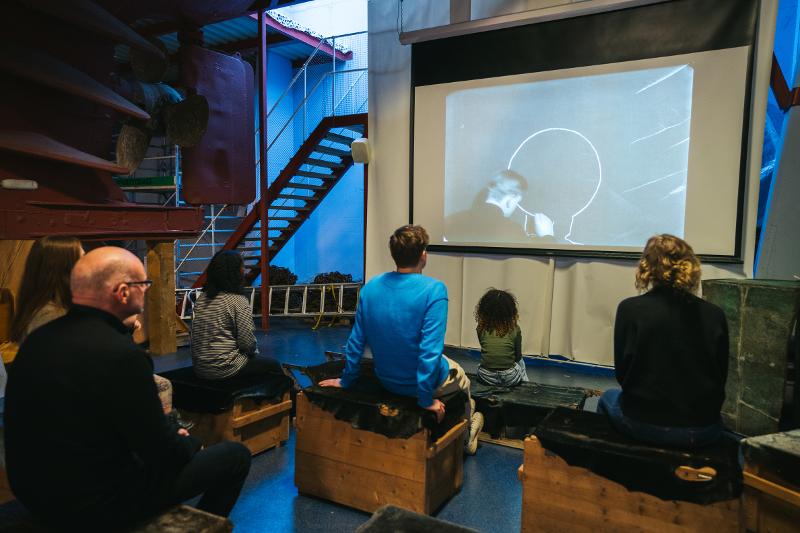
Climb aboard – Polstjerna is open for summer
What was life like for the crews who hunted seals in the Arctic? This summer, we invite you aboard Norway's best-preserved sealing ship.
Christel Slettli Hansen
Polstjerna was built by K. Christensen & Co Boatyard at Moen near Risør in 1949 for Halfdan Jacobsen of Tromsø.
Over 33 seasons Polstjerna hunted seals in the West Ice, bringing home nearly 100,000 seals. The vessel was also used for large-scale herring fishing, fat-herring fishing, capelin fishing and cod fishing off Greenland.
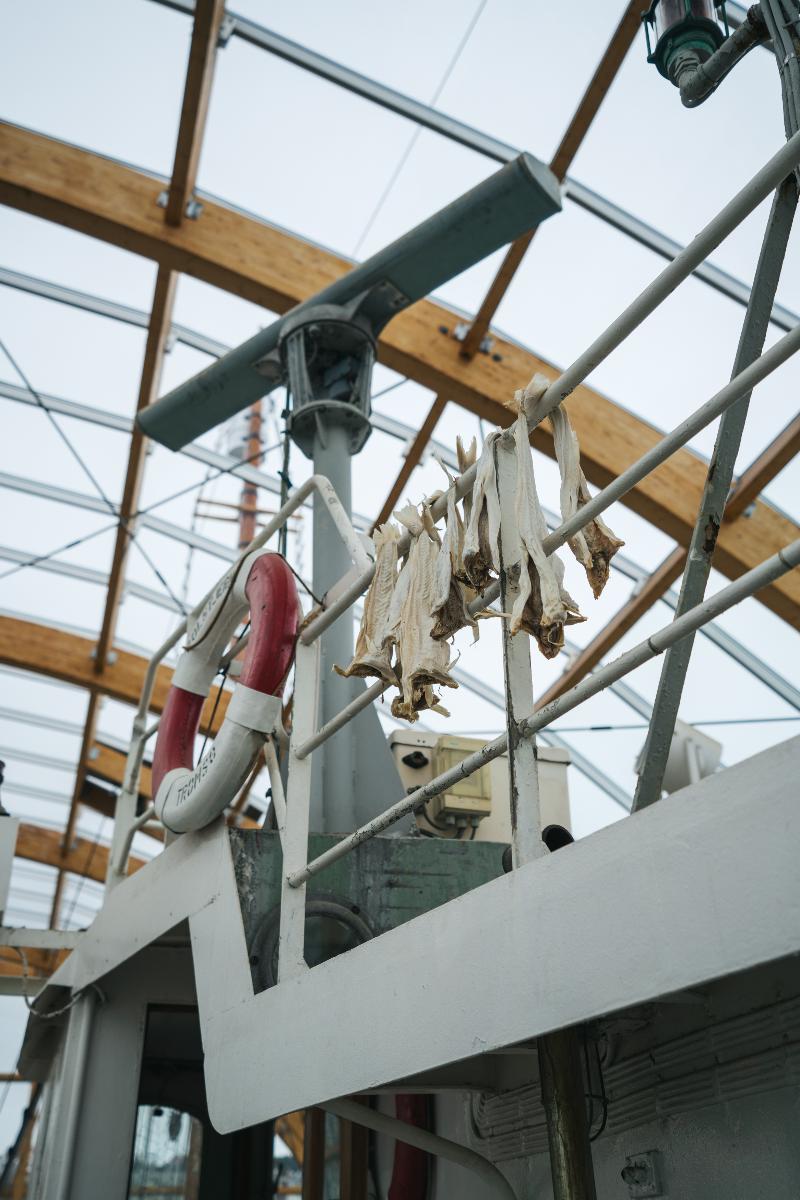
At sea for weeks at a time
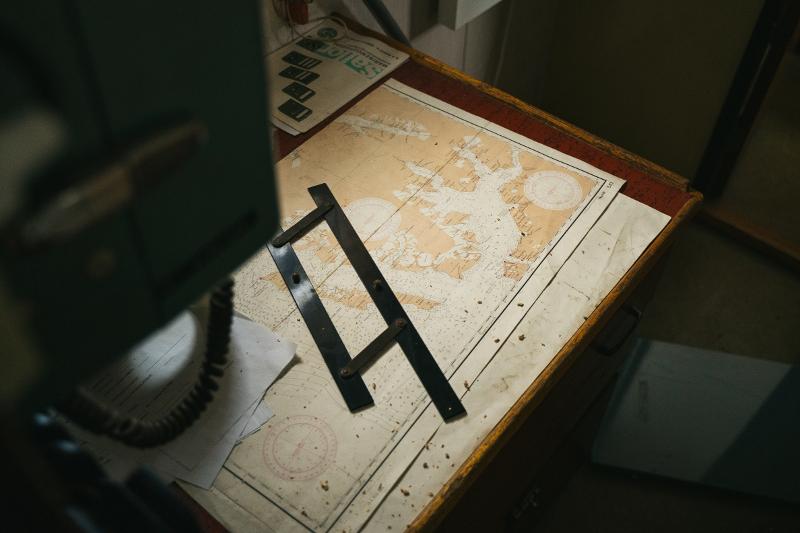
The seal hunting took place in the spring, and the crew would typically be away from the end of March until May or June. Visit the wheelhouse, where the course toward the pack ice was set, and where the simple charts still lie ready, as if the ship were about to set out again.
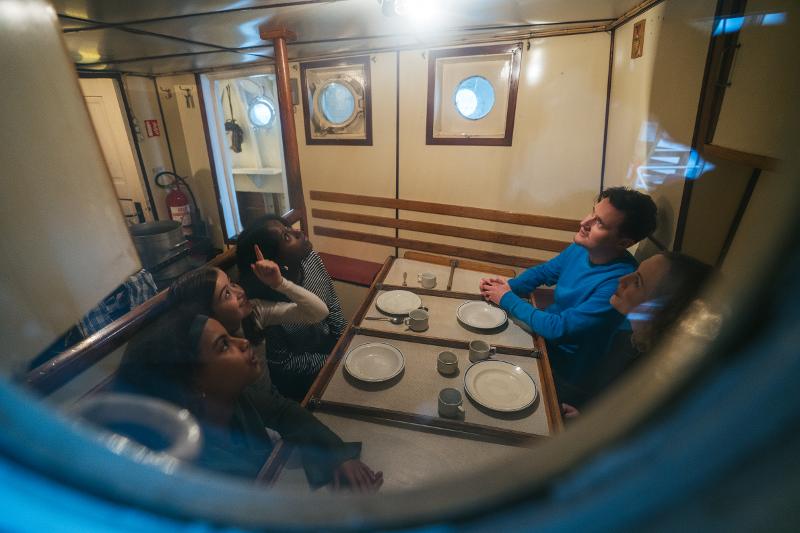
Take a rest in the mess
Exhibition: Arctic Indigenous knowledge is important for adventurers and Arctic seafarers
The Snowhow exhibition highlights some of the foundations for the polar achievements of Nansen and Amundsen, and invites reflection on how much of Norwegian polar know‑how (snowhow) is built on the knowledge of Arctic Indigenous peoples and the ice‑sea environment of northern Norway.