Follow in Amundsen’s footsteps – new city guide launched
Through illustrations by Jens K. Styve and research by the Polar Museum, Amundsen’s Tromsø invites readers to discover the Arctic city as Roald Amundsen knew it.
The new city guide takes readers to the places, communities and people that shaped Tromsø during Amundsen’s visits, shedding light on lesser-known aspects of the city’s identity as a polar hub in the early 20th century.
“The idea emerged at the intersection of a museum collection, cultural research and established narratives of polar history—which do not always capture the diversity and complexity of the past,” says Silje Gaupseth, polar cultural researcher and Director of the Polar Museum.
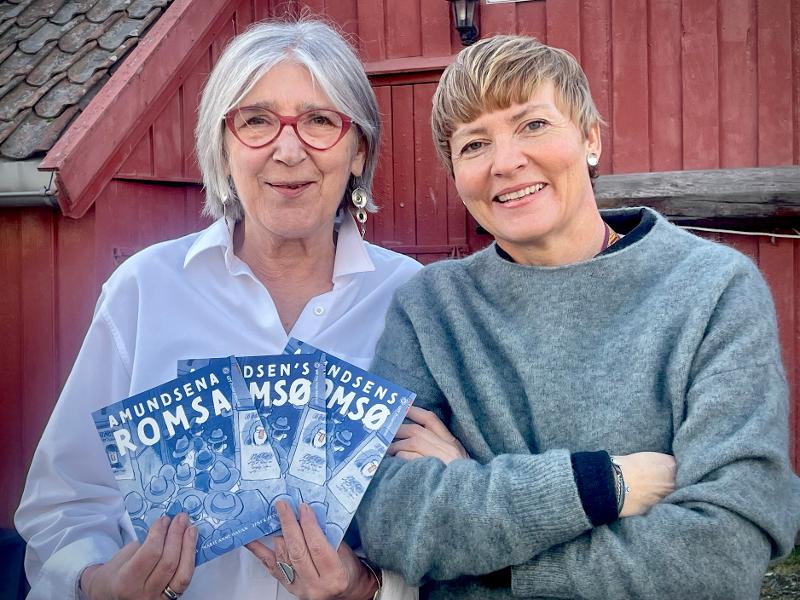
Together with fellow polar cultural researcher Marit Anne Hauan, Gaupseth has explored newspaper archives, polar literature, photographs and diaries to gain a deeper understanding of the city as Amundsen experienced it. Their research is brought to life through illustrations by Jens K. Styve, who also adds his own visual commentary. Styve is best known for his comic strip Dunce, published in the Norwegian newspaper Klassekampen.

The project explores the diversity of urban life between 1901 and 1928, the years when Amundsen walked the streets of Tromsø. In this “Gateway to the Arctic Ocean”, he encountered people with a wide range of skills and expertise who played vital roles in making his expeditions possible.
The guide introduces readers to expedition crew members, shipyard workers, duojárat—Sámi artisans who crafted polar clothing—and pharmacist Zapffe. Many people in Tromsø played important roles in some of Norway’s most memorable historical events. Now, readers can discover some of their stories.
“We bring the city’s Sámi history, labour history and women’s history to the forefront—in short, local history in all its diversity,” says Gaupseth.
The route runs from the southern to the northern part of the city, passing through many of Tromsø’s busiest areas.
“In many ways, Amundsen’s Tromsø is the same city that residents and visitors walk through today, perhaps unaware of the local history that Roald Amundsen himself was part of.”
Amundsen’s Tromsø is available in Norwegian, English and Northern Sámi and can be purchased from the museum shop.