Less sea ice, more bergy waters
Climate change in the Arctic is happening faster than anywhere else on the planet. Sea ice is melting, while glaciers are calving, leading to more icebergs in the ocean.
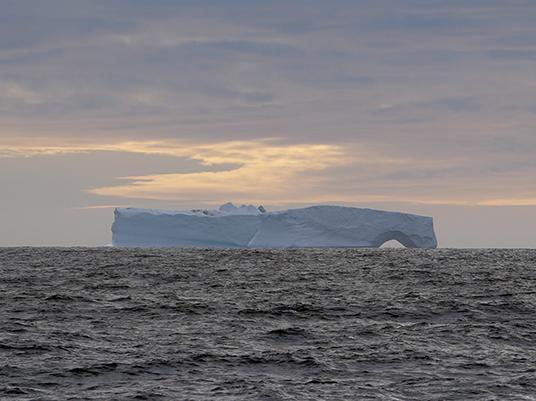
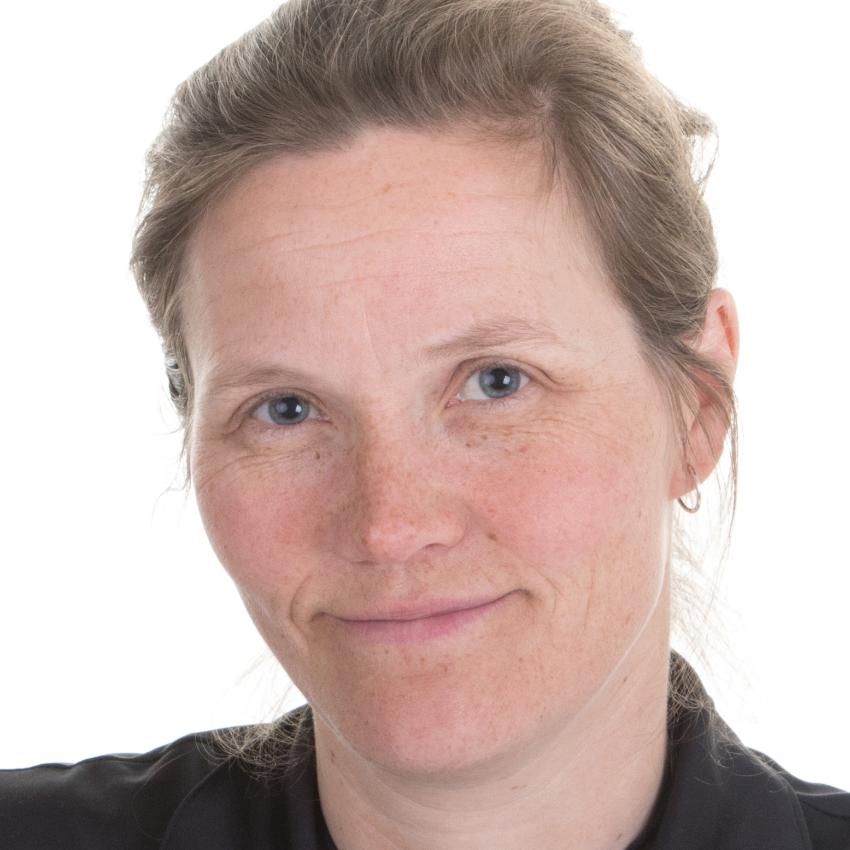
Sea ice in the Arctic is melting at an alarming rate, and this development is a clear indicator of global climate change. Rebekka Jastamin Steene, a PhD fellow at the Department of Mathematics and Statistics at UiT, is currently aboard the Statsraad Lehmkuhl teaching the student course Arctic Future Pathfinders. The ship was originally scheduled to spend two months traversing the Northwest Passage, which is only possible due to the reduced sea ice.
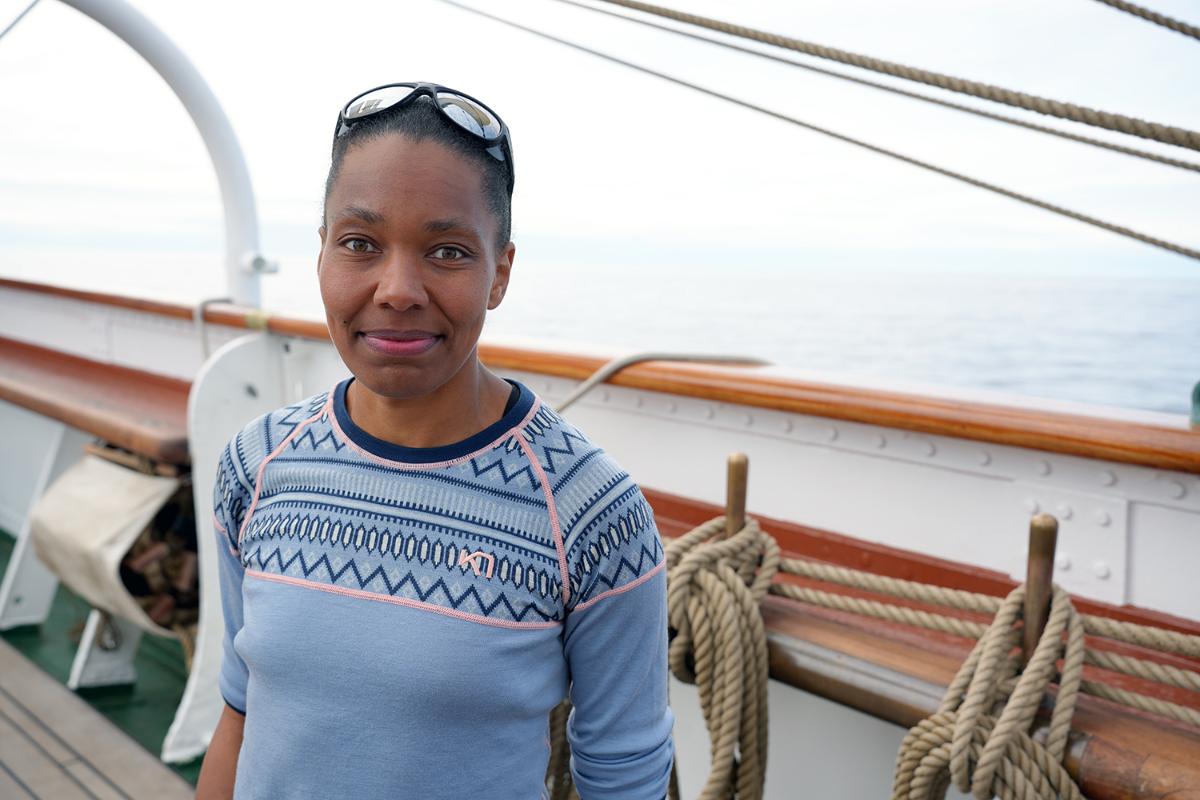
"The temperature is rising two to five times faster in the Arctic than in the rest of the world, and the change is closely linked to what is happening with the sea ice," Steene explains.
The Albedo Effect Amplifies Ice Melting
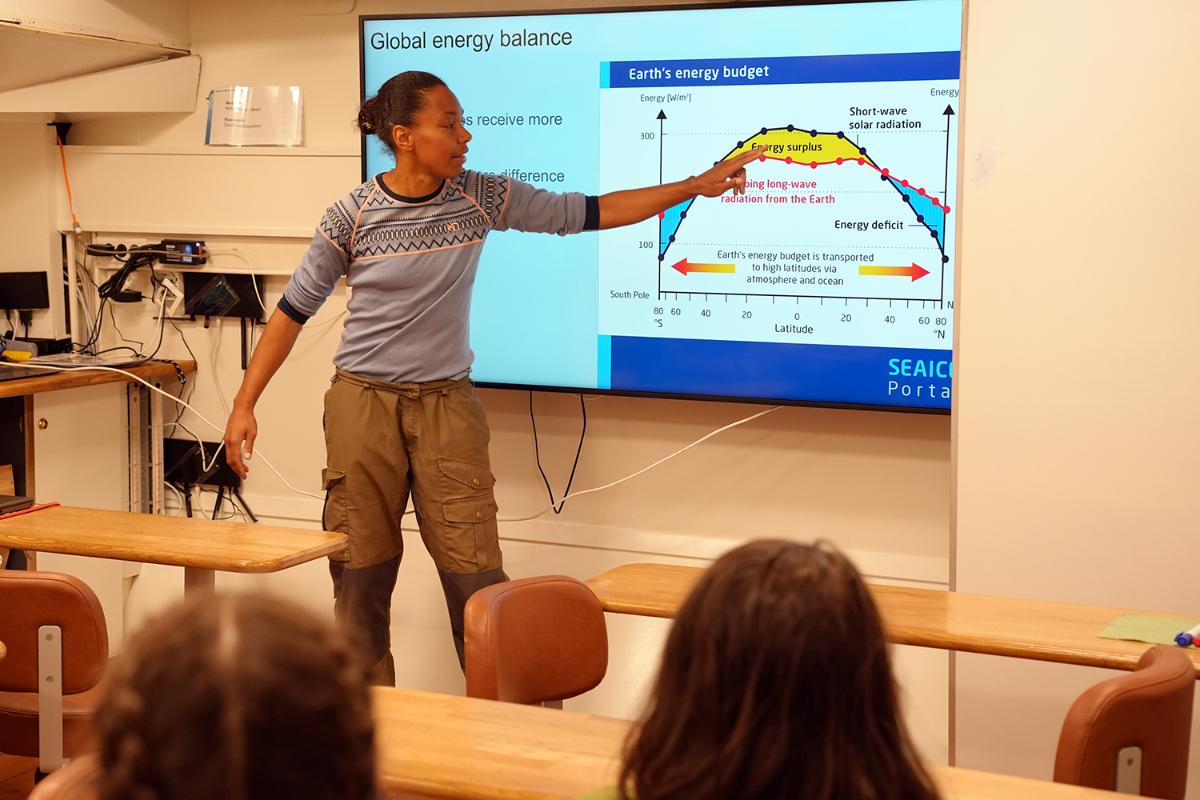
One of the main reasons for the rapid ice melting is the so-called albedo effect. When ice melts and is replaced by open water, the ocean absorbs more solar energy, which in turn leads to warming of both the water and the air.
"While ice reflects much of the sun's energy, the ocean absorbs almost all of it when the ice is gone. This warms the ocean, which in turn melts even more ice. This is what we call a reinforcing feedback mechanism," Steene explains.
This mechanism means that even small temperature increases can cause ice melting to accelerate.
Dramatic Loss of Sea Ice
Since satellite measurements began in 1979, the Arctic has lost enormous amounts of sea ice.
"If you look at the trend, we have lost around 3.5 million square kilometers of ice in September, which is the month of the year with the least sea ice," says Steene.
Although there are natural variations from year to year, there is no doubt that human-induced climate change is the main driver of the long-term decline.
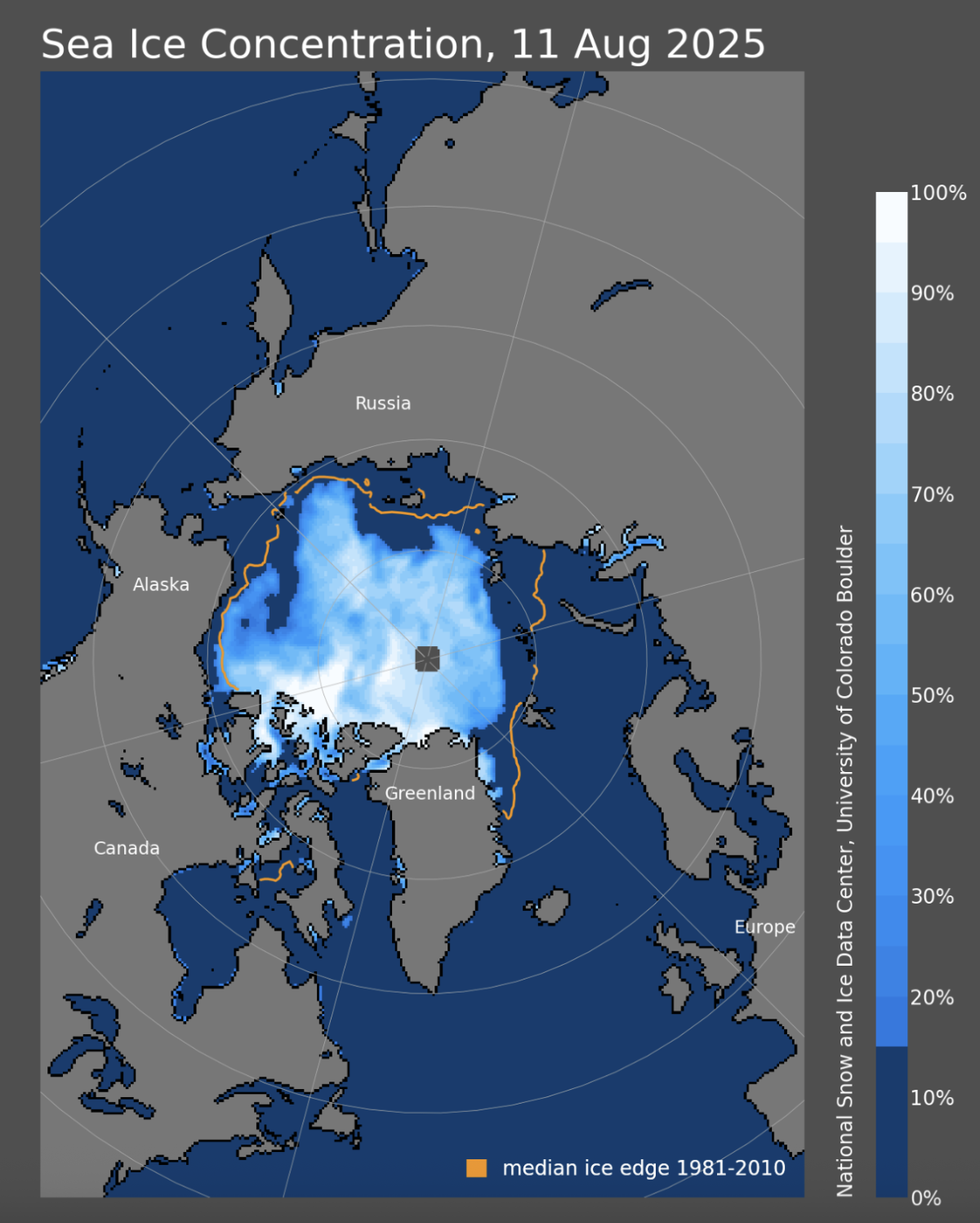
"It is also important to note that the ice not only covers a smaller area, but it has also become thinner. This makes the ice cover far less robust than before," Steene adds.
Regional Differences and New Challenges
There are significant regional differences in how ice melting affects the Arctic. In the Barents Sea, there is almost no ice at all during the summer, while a thin layer of ice forms during the winter. At the same time, there are still areas north of the Canadian islands with thicker ice, but even here there has been significant melting. For shipping, this has made it easier to navigate through previously inaccessible areas, such as the Northwest Passage.
"If you look at ice charts and compare them to 20 years ago, there is a clear change. It has become much easier to sail through," says Steene.
Glaciers and Calving – A New Challenge
This time, however, the Statsraad Lehmkuhl was unable to sail through. The reason was not sea ice, but rather icebergs resulting from calving glaciers. As temperatures rise, calving activity increases, leading to more icebergs in the ocean.
"The warmer it gets, the more active calving becomes during the summer season. This leads to more icebergs, which can be a major challenge for shipping," says the researcher.
Although calving is initially a natural process, it has intensified as a result of climate change.
The Future of the Arctic
Steene warns that the Arctic could become completely ice-free during the summer season in the future if greenhouse gas emissions are not reduced.
"It is absolutely possible that it will become completely open, at least in the summer, if we continue to emit CO2 at the current rate," she says.
Even winter ice, which has traditionally been more stable, could be dramatically reduced.
"What we will see first is that sea ice becomes entirely seasonal. In the summer, there will be little or no ice, and in the winter, a thin one-year layer will form. Over time, even the winter ice could become smaller," the researcher explains.
She still believes it is possible to slow down the development:
"If we manage to reduce greenhouse gas emissions, we can at least stop the trend. The consequences that now seem to be accelerating could perhaps become less severe."
-
Arkeologi - master
Varighet: 2 År -
Peace and Conflict Transformation - master
Varighet: 2 År -
Geosciences - master
Varighet: 2 År -
Biology - master
Varighet: 2 År -
Technology and Safety - master
Varighet: 2 År -
Physics - master
Varighet: 2 År -
Computational chemistry - master
Varighet: 2 År -
Law of the Sea - master
Varighet: 3 Semestre -
Biologi - bachelor
Varighet: 3 År -
Nordisk - årsstudium
Varighet: 1 År -
Luftfartsfag - bachelor
Varighet: 3 År -
Pedagogikk - bachelor
Varighet: 3 År -
Arkeologi - bachelor
Varighet: 3 År -
Likestilling og kjønn - årsstudium
Varighet: 1 År -
Historie - bachelor
Varighet: 3 År -
Geovitenskap- bachelor
Varighet: 3 År -
Samfunnssikkerhet - bachelor
Varighet: 3 År -
Samfunnssikkerhet - master
Varighet: 2 År -
Kunst - bachelor
Varighet: 3 År -
Kunsthistorie - master
Varighet: 2 År -
Religionsvitenskap - årsstudium
Varighet: 1 År -
Romfysikk, sivilingeniør - master
Varighet: 5 År -
Sosialantropologi - bachelor
Varighet: 3 År -
Bærekraftig teknologi, ingeniør - bachelor
Varighet: 3 År -
Historie - master
Varighet: 2 År -
Filosofi - bachelor
Varighet: 3 År -
Anvendt fysikk og matematikk, sivilingeniør - master
Varighet: 5 År -
Barnevernsarbeid - master
Varighet: 2 År -
Forfatterstudium 2 - årsstudium
Varighet: 1 År -
Fine Art - master
Varighet: 2 År -
Barnevern - bachelor
Varighet: 3 År -
Arctic Nature Guide - one year programme
Varighet: 1 År -
Sosialt arbeid - bachelor
Varighet: 3 År -
Arktisk friluftsliv og naturguiding - bachelor
Varighet: 3 År -
Arktisk friluftsliv - årsstudium
Varighet: 1 År -
Grunnskolelærerutdanning for 1.-7. trinn - master
Varighet: 5 År -
Kunsthistorie - årsstudium
Varighet: 1 År -
Governance and Entrepreneurship in Northern and Indigenous Areas - master
Varighet: 4 År -
Vernepleie - bachelor
Varighet: 3 År -
Internasjonal beredskap - bachelor
Varighet: 3 År -
Barnevern - bachelor
Varighet: 3 År -
Vernepleie - bachelor
Varighet: 4 År -
Landskapsarkitektur - master
Varighet: 5 År -
Grunnskolelærerutdanning for 5.-10. trinn - master
Varighet: 5 År -
Kvensk og finsk - bachelor
Varighet: 3 År -
Nordisk språk og litteratur - bachelor
Varighet: 3 År -
Russisk og russlandsstudier - bachelor
Varighet: 3 År -
Ph.d.-program i naturvitenskap
Varighet: 3 År -
Russisk og russlandsstudier - master
Varighet: 2 År -
Environmental Law - master
Varighet: 2 År