Sámi Special Education: Focusing on Strengths, Not Weaknesses
Sámi special education emphasizes students' strengths and life mastery. Instead of a lengthy bureaucratic process, practical solutions are prioritized.

All education in Norway aims to make students independent and prepared for life. In Sámi core areas, this is clearly reflected in the Sámi concept of "Birge", which means managing on one's own with support from others.
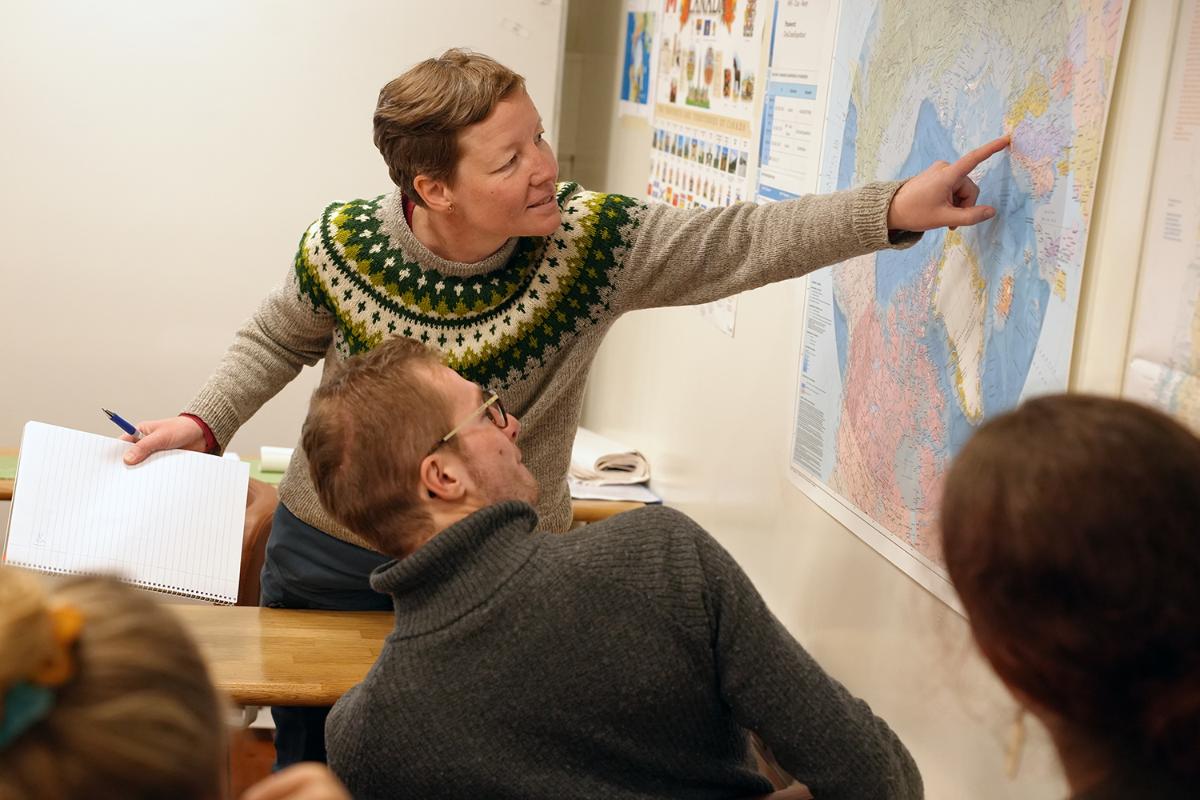
"In Sámi education as well, the goal is for everyone to become independent and gain life skills that enable them to establish a good life after schooling," says university lecturer Anne-Mette Bjøru at UiT.
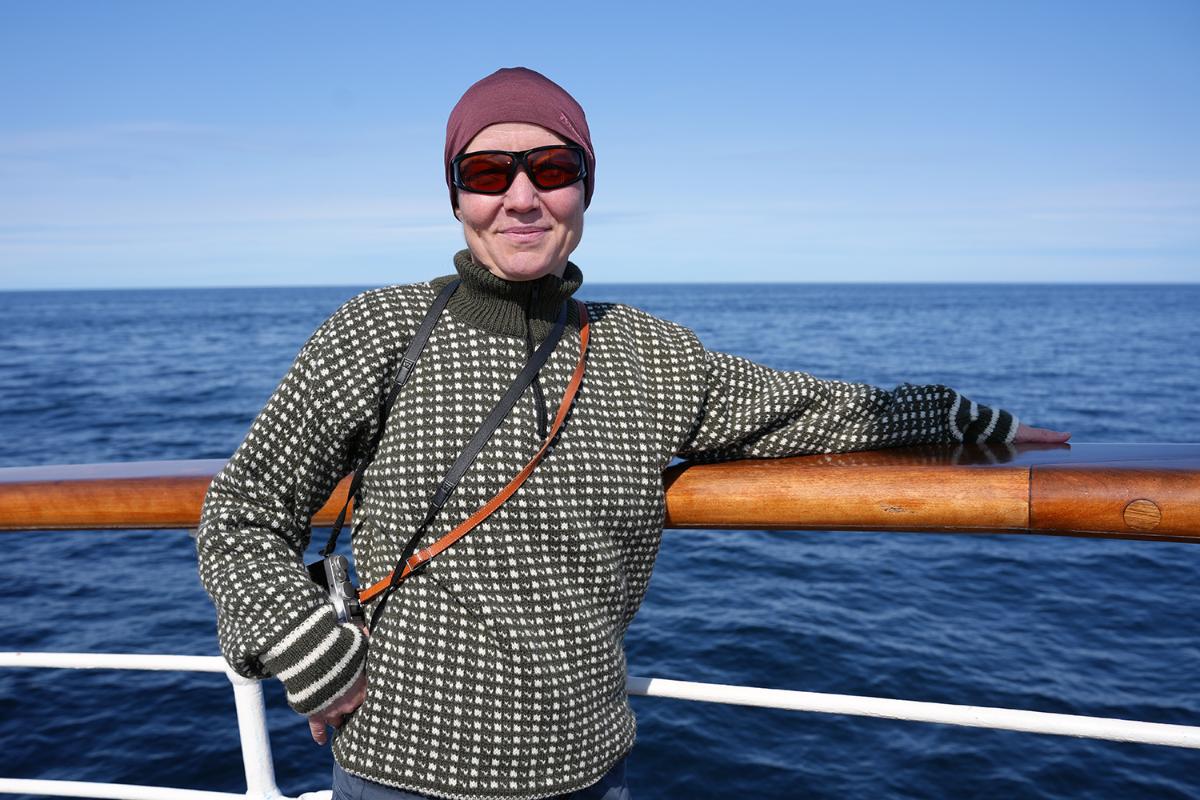
She researches, among other things, the Sámi approach to inclusion and adapted education and is one of the instructors in the student course Arctic Future Pathfinders aboard the Statsraad Lehmkuhl.
Strength-Based Pedagogy in Practice
Together with Anne Randi Solbakken, Bjøru has authored the research article «Birgejupmi –Life Mastery, the Sámi Approach to Inclusion and Adapted Education» which she uses as the basis for her lecture aboard the Statsraad Lehmkuhl.
The article is based on information from a teacher in a Sámi core area. According to this teacher, the focus in these areas is not on students' challenges but rather on what they excel at. One example is a girl with Down syndrome who was able to develop her talent for handicrafts at school.
"She worked a lot with beadwork and small side projects because that was her strength. Eventually, she started selling her products and now has an income. She is self-sufficient," says Bjøru.
Diagnoses Are Not Necessarily a Challenge
In Sámi culture, diagnoses – like ADHD – are often seen as a resource, not a hindrance. Instead of medicating the students, the school often choose a practical approach.
"It’s a slightly different mentality. Having special educational needs is not necessarily a catastrophe. It can also be a gift," emphasizes Bjøru.
She believes this approach contrasts with the Norwegian model, where special education measures often require a diagnosis and a bureaucratic process through the Educational-Psychological Service (PPT).
"To get resources, you first have to identify what the problem is. In Sámi pedagogy, it’s about focusing on strengths from the very beginning," explains Bjøru.
Close Bonds and Collaboration
Another key aspect of Sámi education is the strong relationships between the school, family, and local community.
"In small communities, everyone knows each other. Teachers know the parents and the network around the child. This makes collaboration and planning easier," says Bjøru.
She believes Norwegian educators can gain a new perspective on special education by learning from Sámi pedagogues. She has experienced this herself.
"What I’ve learned about Sámi pedagogy has shaped my own thinking about special education. It’s about focusing on strengths and finding practical solutions that foster mastery," says Bjøru, adding:
"The goal of education is to create independent individuals who can manage in the world. Sámi pedagogy shows that there are multiple paths to learning – and that every student has something unique to contribute."
-
Fiskeri- og havbruksvitenskap - bachelor
Varighet: 3 År -
Fiskeri- og havbruksvitenskap - master
Varighet: 2 År -
Visual and Multimodal Anthropology - Master
Varighet: 2 År -
Arkeologi - master
Varighet: 2 År -
Peace and Conflict Transformation - master
Varighet: 2 År -
Indigenous Studies - master
Varighet: 2 År -
Geosciences - master
Varighet: 2 År -
Biology - master
Varighet: 2 År -
Technology and Safety - master
Varighet: 2 År -
Law of the Sea - master
Varighet: 3 Semestre -
Biologi - bachelor
Varighet: 3 År -
Sosiologi - master
Varighet: 2 År -
Nordisk - årsstudium
Varighet: 1 År -
Strategisk ledelse og økonomi - erfaringsbasert master
Varighet: 5 Semestre -
Engelsk - årsstudium
Varighet: 1 År -
Luftfartsfag - bachelor
Varighet: 3 År -
Samfunnsplanlegging - bachelor
Varighet: 3 År -
Pedagogikk - bachelor
Varighet: 3 År -
Sosiologi - bachelor
Varighet: 3 År -
Arkeologi - bachelor
Varighet: 3 År -
Spansk - årsstudium
Varighet: 1 År -
Statsvitenskap - bachelor
Varighet: 3 År -
Pedagogikk - master
Varighet: 2 År -
Likestilling og kjønn - årsstudium
Varighet: 1 År -
Historie - bachelor
Varighet: 3 År -
Geovitenskap- bachelor
Varighet: 3 År -
Samfunnsplanlegging - master
Varighet: 2 År -
Økonomi og administrasjon - bachelor
Varighet: 3 År -
Samfunnssikkerhet - bachelor
Varighet: 3 År -
Økonomi og administrasjon, siviløkonom - master
Varighet: 2 År -
Ledelse, innovasjon og marked - bachelor
Varighet: 3 År -
Ergoterapi - bachelor
Varighet: 3 År -
Grunnskolelærerutdanning for 1.-7. trinn - master
Varighet: 5 År -
Grunnskolelærerutdanning for 5.-10. trinn - master
Varighet: 5 År -
Samfunnssikkerhet - master
Varighet: 2 År -
Kunst - bachelor
Varighet: 3 År -
Kunsthistorie - master
Varighet: 2 År -
Musikkutøving - bachelor
Varighet: 4 År -
Religionsvitenskap - årsstudium
Varighet: 1 År -
Russisk - årsstudium
Varighet: 1 År -
Romfysikk, sivilingeniør - master
Varighet: 5 År -
Samfunnsøkonomi med datavitenskap - bachelor
Varighet: 3 År -
Sosialantropologi - bachelor
Varighet: 3 År -
Organisasjonsdesign og ledelse - master
Varighet: 2 År -
Statsvitenskap - master
Varighet: 2 År -
Historie - master
Varighet: 2 År -
Kunsthistorie - bachelor
Varighet: 3 År -
Tysk - årsstudium
Varighet: 1 År -
Filosofi - bachelor
Varighet: 3 År -
Kvensk - årsstudium
Varighet: 1 År