The Importance of Indigenous Place Names
Indigenous place names are more than just geographical designations – they carry history, culture, and identity.
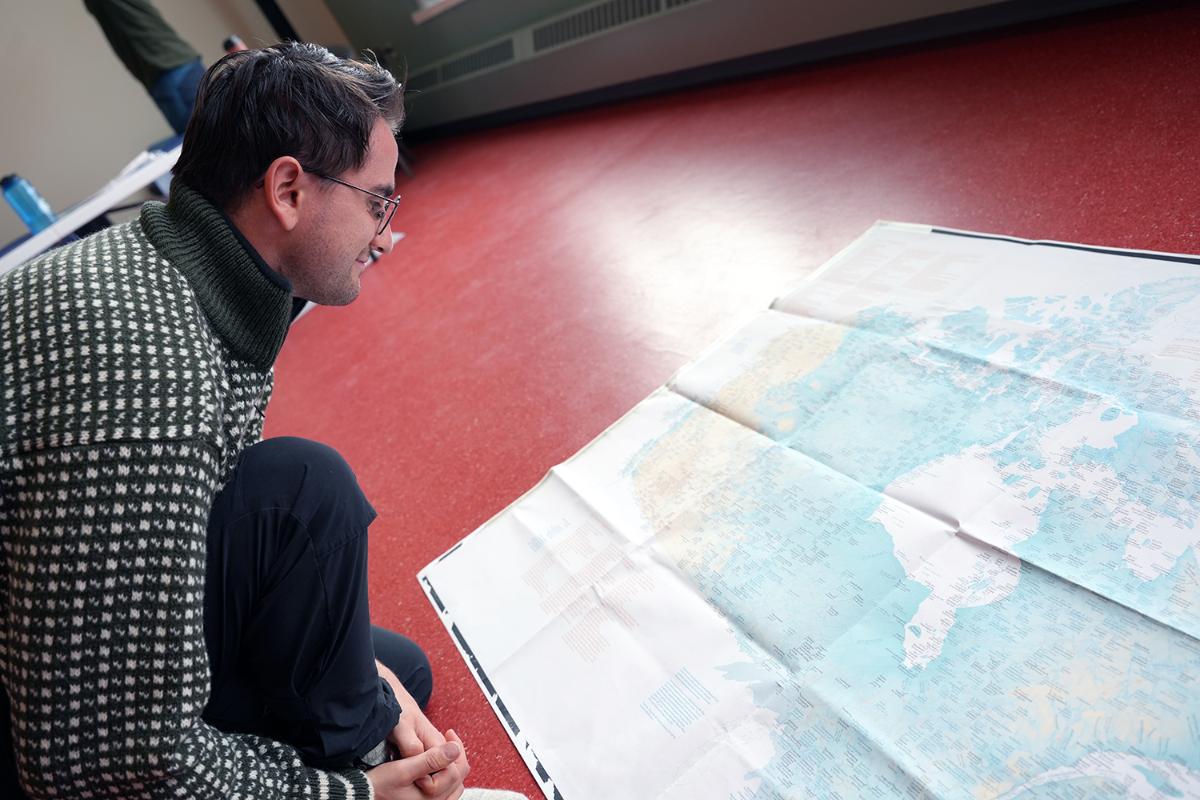
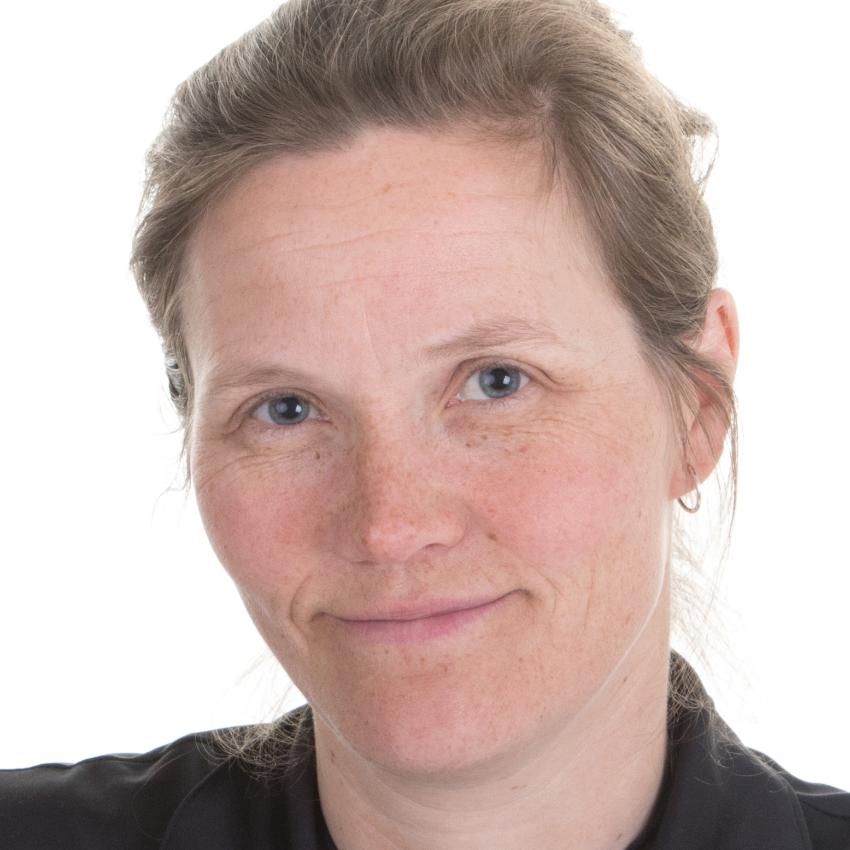
"Naming is political, even when it is presented as a technocratic detail. Every name has a logic and a power structure behind it," says Ekaterina Mikhailova, Associate Professor in Border Studies at UiT The Arctic University of Norway.
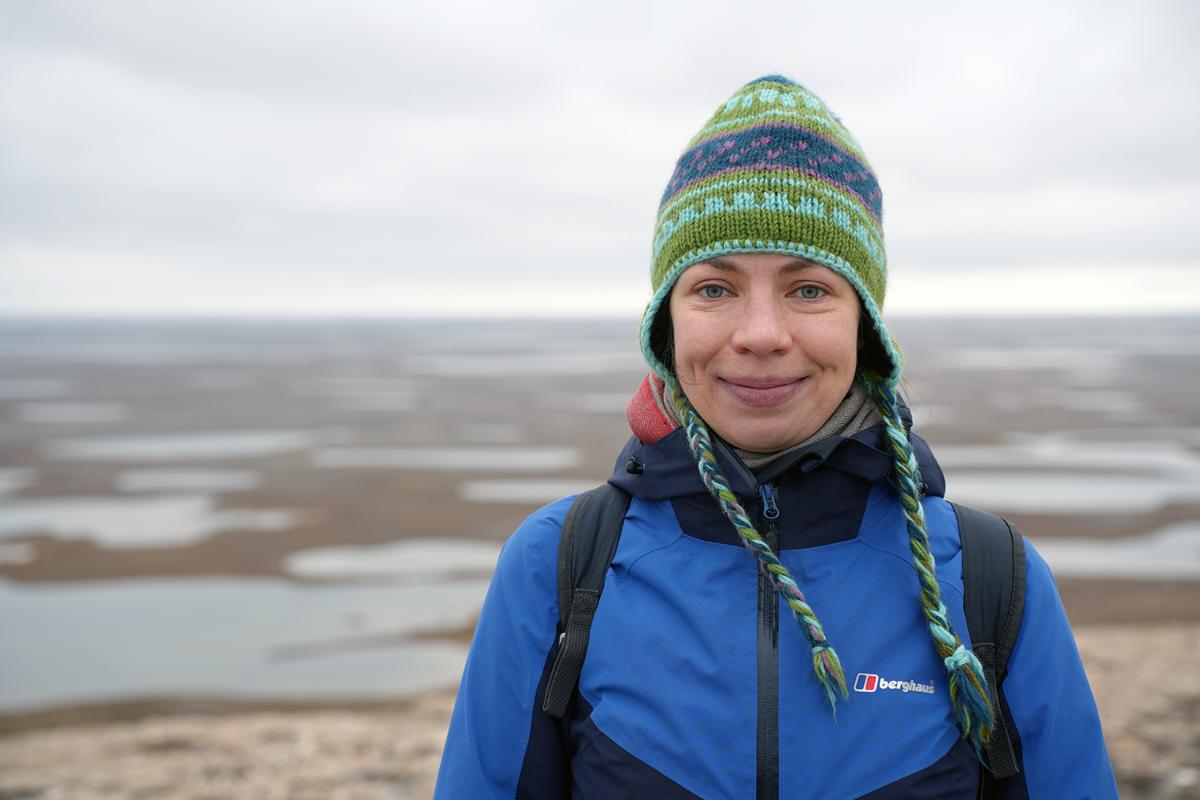
During a lecture at Arctic Future Pathfinders, she emphasized how colonization has overshadowed and distorted the Indigenous names, thereby erasing the presence and history of Indigenous peoples in the areas concerned.
A Living Tradition
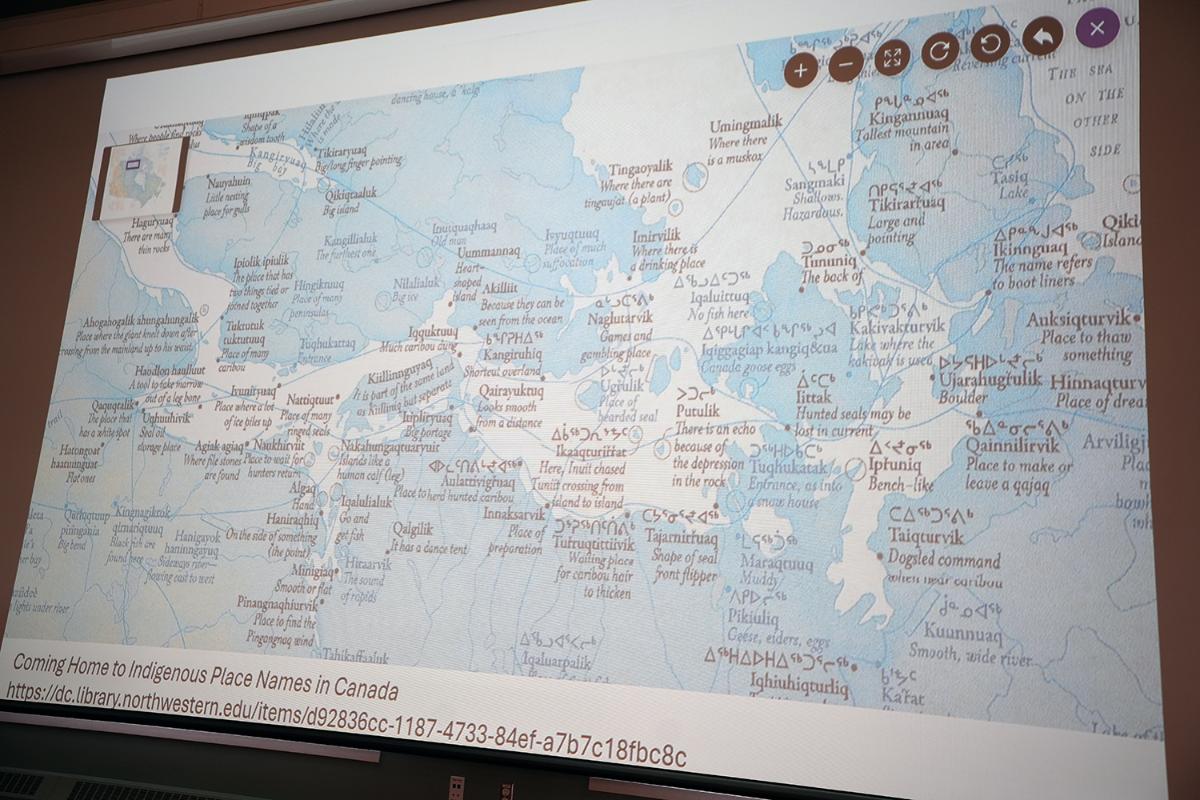
Indigenous place names are often rooted in experiences and sensory impressions. They describe the characteristics of the landscape, available resources, and historical events. Mikhailova highlights how these names function as a living tradition that connects people to their surroundings.
"Indigenous place names exist as a system. They relate to one another and function as a chain of experiences and stories," Mikhailova explains.
In contrast, colonial place names have often been imposed without regard for the local context. One example is Cambridge Bay in Nunavut, Canada, which was named by British and Canadian explorers in the 19th century. The name does not reflect the area's history or significance to its original inhabitants but rather the colonial powers' desire to mark their territory. The Indigenous name is Iqaluktuuttiaq which means the ‘good fishing place’.
Naming as an Exercise of Power
Mikhailova underscores that naming is not a neutral act but a form of power that can be used to control and legitimize territories.
"More Indigenous territory has been claimed through maps than with weapons," she says, pointing to how colonial cartographic traditions have contributed to erasing Indigenous history and presence.
Reintroducing Indigenous Place Names
Reintroducing Indigenous place names on maps and in everyday language is an important step toward social justice, according to Mikhailova. She highlights the work of the Inuit Heritage Trust in Canada, which has documented and mapped thousands of Inuit place names.
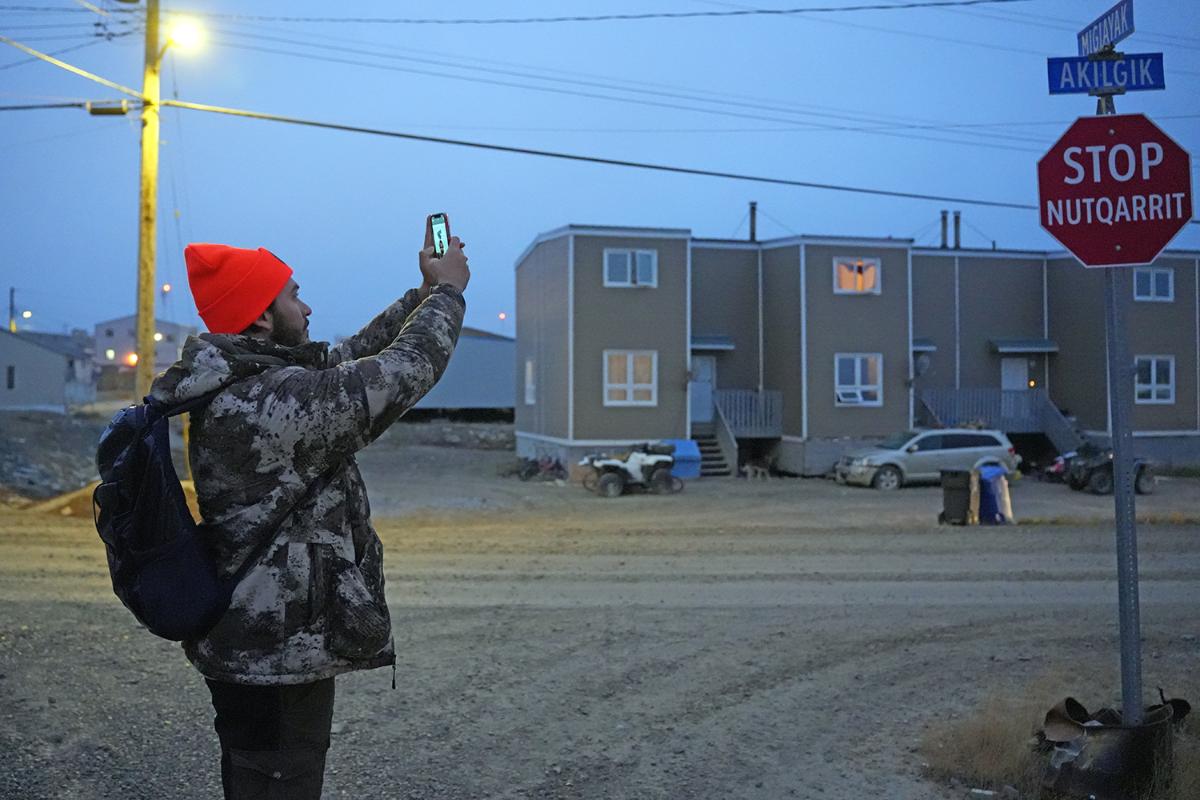
"Having Indigenous place names on the map is about social justice. It is about visibility, recognition, and challenging colonial power structures," she says.
Challenges and Opportunities
One of the challenges of using these place names is that they are often in languages unfamiliar to the majority population. Mikhailova suggests interactive maps as a solution, where the names are not only displayed but also explained with their meanings and histories.
She also warns against using Indigenous place names in a superficial or commercial way, as seen in an example from Hawaii – “the Aloha State” – where names are used to attract tourists without respect for their original meaning.
Mikhailova concludes with a call to action:
"Learning Indigenous place names is a way to orient oneself, not just geographically but also culturally and historically. It is a way to challenge colonial power structures and contribute to a more just and inclusive world."
-
Visual and Multimodal Anthropology - Master
Varighet: 2 År -
Arkeologi - master
Varighet: 2 År -
Peace and Conflict Transformation - master
Varighet: 2 År -
Indigenous Studies - master
Varighet: 2 År -
Geosciences - master
Varighet: 2 År -
Biology - master
Varighet: 2 År -
Technology and Safety - master
Varighet: 2 År -
Law of the Sea - master
Varighet: 3 Semestre -
Biologi - bachelor
Varighet: 3 År -
Nordisk - årsstudium
Varighet: 1 År -
Luftfartsfag - bachelor
Varighet: 3 År -
Pedagogikk - bachelor
Varighet: 3 År -
Arkeologi - bachelor
Varighet: 3 År -
Likestilling og kjønn - årsstudium
Varighet: 1 År -
Historie - bachelor
Varighet: 3 År -
Geovitenskap- bachelor
Varighet: 3 År -
Samfunnssikkerhet - bachelor
Varighet: 3 År -
Samfunnssikkerhet - master
Varighet: 2 År -
Kunst - bachelor
Varighet: 3 År -
Nordsamisk fra begynnernivå - årsstudium
Varighet: 1 År -
Kunsthistorie - master
Varighet: 2 År -
Religionsvitenskap - årsstudium
Varighet: 1 År -
Romfysikk, sivilingeniør - master
Varighet: 5 År -
Sosialantropologi - bachelor
Varighet: 3 År -
Historie - master
Varighet: 2 År -
Filosofi - bachelor
Varighet: 3 År -
Nordsamisk på morsmålsnivå - årsstudium
Varighet: 1 År -
Anvendt fysikk og matematikk, sivilingeniør - master
Varighet: 5 År -
Barnevernsarbeid - master
Varighet: 2 År -
Forfatterstudium 2 - årsstudium
Varighet: 1 År -
Fine Art - master
Varighet: 2 År -
Barnevern - bachelor
Varighet: 3 År -
Arctic Nature Guide - one year programme
Varighet: 1 År -
Sosialt arbeid - bachelor
Varighet: 3 År -
Arktisk friluftsliv og naturguiding - bachelor
Varighet: 3 År -
Arktisk friluftsliv - årsstudium
Varighet: 1 År -
Grunnskolelærerutdanning for 1.-7. trinn - master
Varighet: 5 År -
Kunsthistorie - årsstudium
Varighet: 1 År -
Governance and Entrepreneurship in Northern and Indigenous Areas - master
Varighet: 4 År -
Vernepleie - bachelor
Varighet: 3 År -
Internasjonal beredskap - bachelor
Varighet: 3 År -
Barnevern - bachelor
Varighet: 3 År -
Vernepleie - bachelor
Varighet: 4 År -
Landskapsarkitektur - master
Varighet: 5 År -
Grunnskolelærerutdanning for 5.-10. trinn - master
Varighet: 5 År -
Kvensk og finsk - bachelor
Varighet: 3 År -
Nordisk språk og litteratur - bachelor
Varighet: 3 År -
Russisk og russlandsstudier - bachelor
Varighet: 3 År -
Ph.d.-program i naturvitenskap
Varighet: 3 År -
Russisk og russlandsstudier - master
Varighet: 2 År