The Mohn Prize for 2026 awarded to Canadian John Smol
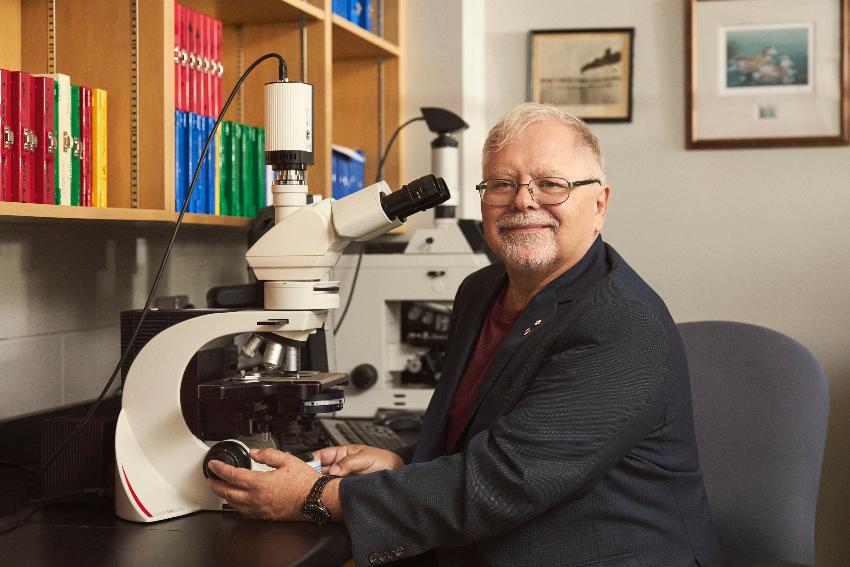
Professor John Smol of Queen's University is being honoured for his role in identifying stressors of environmental change in the Arctic.
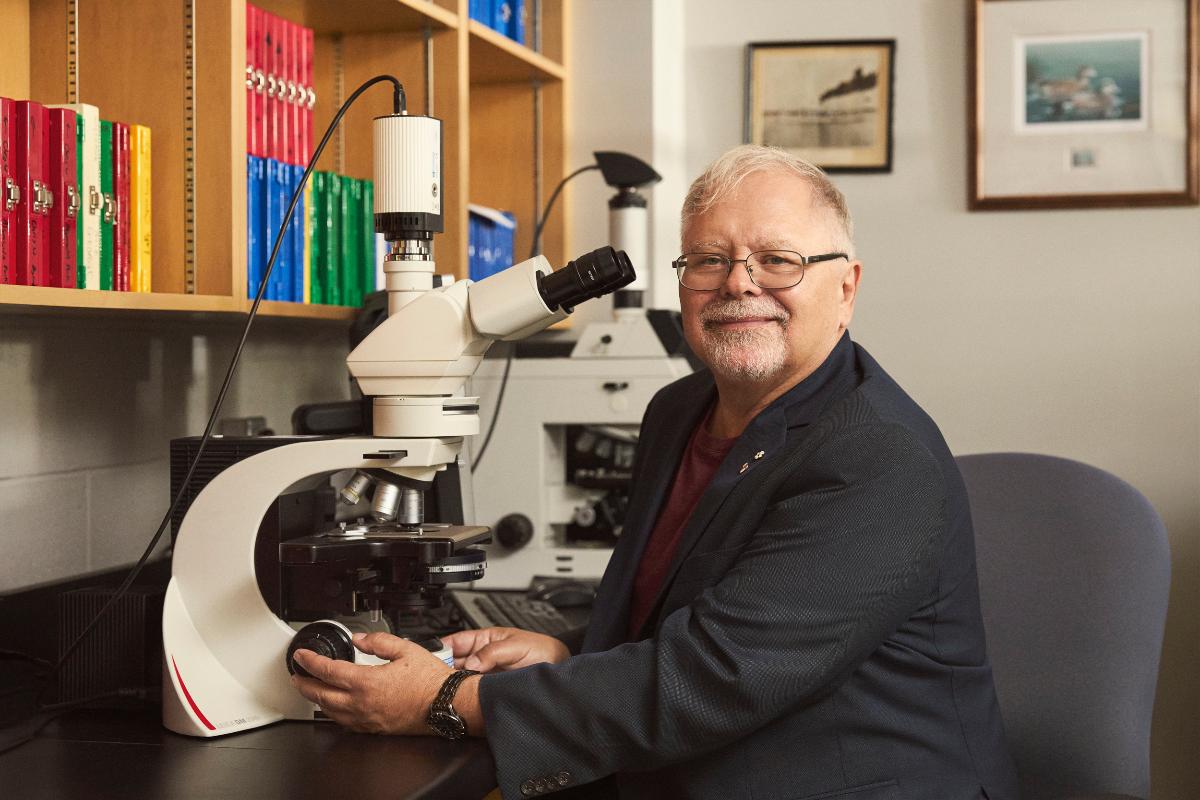

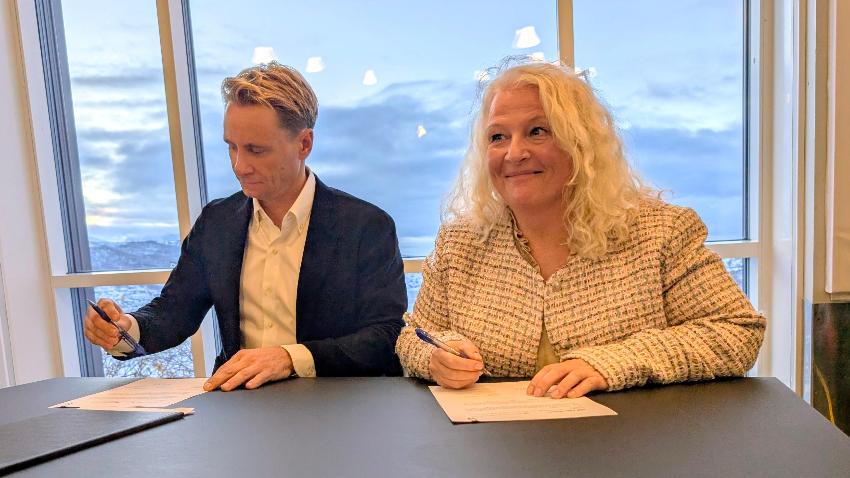
During the Arctic Futures Symposium in Brussels, UiT Rector Dag Rune Olsen announced today that the Mohn Prize for 2026 will be awarded to Professor John P. Smol of Queen’s University in Ontario, Canada.
.jpg "dag rune kunngjering-251203-01.jpg")
“Professor Smol's scientific career is a testament to excellent Arctic research - collaborative, engaged, thorough and key to the preservation of the environment we depend on. I am truly impressed by his comprehensive body of work and his longevity. He is a role model for us all.” said Olsen, who also leads the steering committee of the Mohn Prize.
A team player in research
Smol sent a video greeting to Brussels, where he emphasised that he is grateful and honoured to receive the Mohn Prize. He further emphasised how research is a team sport and expressed his gratitude to a long list of collaborators, colleagues, research funders, and his employer, Queen’s University.
"Most importantly though, I would like to thank over 100 graduates and an even larger number of undergraduates that have passed through my lab, PEARL – Paleoecological Environmental Assessment and Research Laboratory." he said.
An inspiring career
Smol was educated at McGill University and Brock University and earned his PhD at Queen's University. Since his first publication in 1980, he has contributed to over 700 scientific articles, 24 books (with one more on the way), and has been part of an impressive number of committees, panels, and processes.
Among other achievements, he served as the Canada Research Chair in Environmental Change from 2001 to 2021 and has received seven honorary doctorates. Smol has also been appointed an Officer of the Order of Canada — the country’s highest civilian honour.
Recognized for his leadership in ecosystem research
In its recommendation, the scientific committee praises Smol for his groundbreaking contributions to identifying and improving understanding of human impacts on Arctic freshwater ecosystems. He is a leading figure in research on ecology, lakes, and the consequences of climate change and pollution.
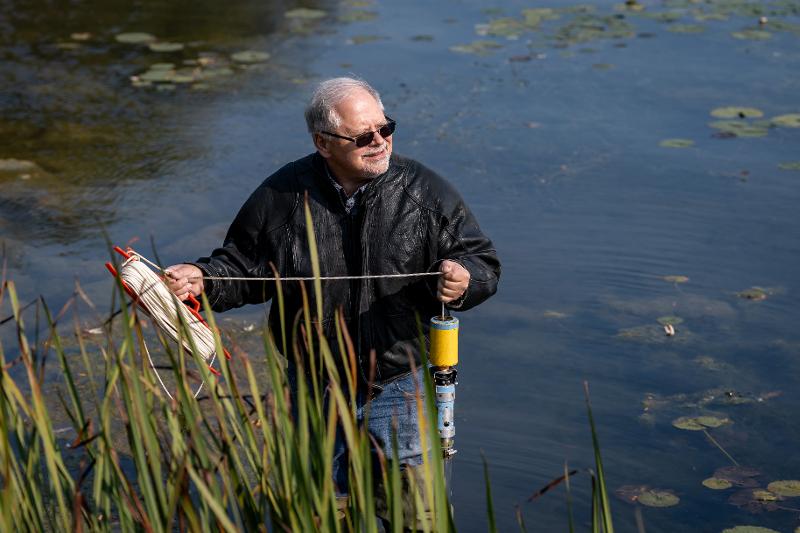
Smol is being recognised for:
“…his academic leadership in palaeoecological studies in Arctic lakes; developing multiple research programmes to study lake water quality and ecology under ongoing environmental change; pioneering a broad spectrum approach to study long-term changes to lake systems, including pollution, climate change and biodiversity loss; and founding the Palaeoecological Environmental Assessment and Research Laboratory (PEARL)."
The future of Arctic terrestrial and freshwater ecosystems is highly uncertain and largely dependent on the progression of global warming and human activities such as pollution and environmental stress.
" To understand and respond to these changes, we need indicators that can measure environmental shifts in freshwater and terrestrial ecosystems, much like a thermometer reveals temperature. Dr. Smol's groundbreaking research has provided exactly this: tools for detecting environmental change in and around Arctic lakes and rivers, and for understanding how these changes affect wildlife.” the committee further states in its recommendation.
The international Mohn Prize for outstanding research related to the Arctic will be presented to Professor Dr John Smol during Arctic Frontiers in Tromsø, on February 4th. He will also participate in sessions during Arctic Frontiers and the Mohn Seminar at UiT on February 5th.
You can see a recording of the announcement at Arctic Futures Symposium 2025 Day 2 - YouTube
Here is John Smol greeting to the announcement:
-
Arkeologi - master
Varighet: 2 År -
Peace and Conflict Transformation - master
Varighet: 2 År -
Geosciences - master
Varighet: 2 År -
Biology - master
Varighet: 2 År -
Technology and Safety - master
Varighet: 2 År -
Law of the Sea - master
Varighet: 3 Semestre -
Biologi - bachelor
Varighet: 3 År -
Nordisk - årsstudium
Varighet: 1 År -
Luftfartsfag - bachelor
Varighet: 3 År -
Pedagogikk - bachelor
Varighet: 3 År -
Arkeologi - bachelor
Varighet: 3 År -
Likestilling og kjønn - årsstudium
Varighet: 1 År -
Historie - bachelor
Varighet: 3 År -
Geovitenskap- bachelor
Varighet: 3 År -
Kjemi - bachelor
Varighet: 3 År -
Samfunnssikkerhet - bachelor
Varighet: 3 År -
Samfunnssikkerhet - master
Varighet: 2 År -
Kunst - bachelor
Varighet: 3 År -
Kunsthistorie - master
Varighet: 2 År -
Religionsvitenskap - årsstudium
Varighet: 1 År -
Romfysikk, sivilingeniør - master
Varighet: 5 År -
Klima og miljøovervåkning, sivilingeniør - master
Varighet: 5 År -
Sosialantropologi - bachelor
Varighet: 3 År -
Historie - master
Varighet: 2 År -
Anvendt fysikk og matematikk, sivilingeniør - master
Varighet: 5 År -
Barnevernsarbeid - master
Varighet: 2 År -
Forfatterstudium 2 - årsstudium
Varighet: 1 År -
Fine Art - master
Varighet: 2 År -
Barnevern - bachelor
Varighet: 3 År -
Arctic Nature Guide - one year programme
Varighet: 1 År -
Sosialt arbeid - bachelor
Varighet: 3 År -
Arktisk friluftsliv og naturguiding - bachelor
Varighet: 3 År -
Arktisk friluftsliv - årsstudium
Varighet: 1 År -
Grunnskolelærerutdanning for 1.-7. trinn - master
Varighet: 5 År -
Kunsthistorie - årsstudium
Varighet: 1 År -
Fagdidaktikk for lærere - master
Varighet: 4 År -
Vernepleie - bachelor
Varighet: 3 År -
Internasjonal beredskap - bachelor
Varighet: 3 År -
Barnevern - bachelor
Varighet: 3 År -
Vernepleie - bachelor (deltid)
Varighet: 4 År -
Landskapsarkitektur - master
Varighet: 5 År -
Grunnskolelærerutdanning for 5.-10. trinn - master
Varighet: 5 År -
Kvensk og finsk - bachelor
Varighet: 3 År -
Nordisk språk og litteratur - bachelor
Varighet: 3 År -
Russisk og russlandsstudier - bachelor
Varighet: 3 År -
Ph.d.-program i naturvitenskap
Varighet: 3 År -
Russisk - master
Varighet: 2 År -
Environmental Law - master
Varighet: 2 År -
Nordisk språk og litteratur - master
Varighet: 2 År -
Kvensk og finsk - master
Varighet: 3 År