A cinematic contribution to peace
This year's winner of TIFF's Peace Film Award portrays political oppression in Iran and reconciliation between former political prisoners and their prison guard. The director has been convicted in their home country for "propaganda against the state".

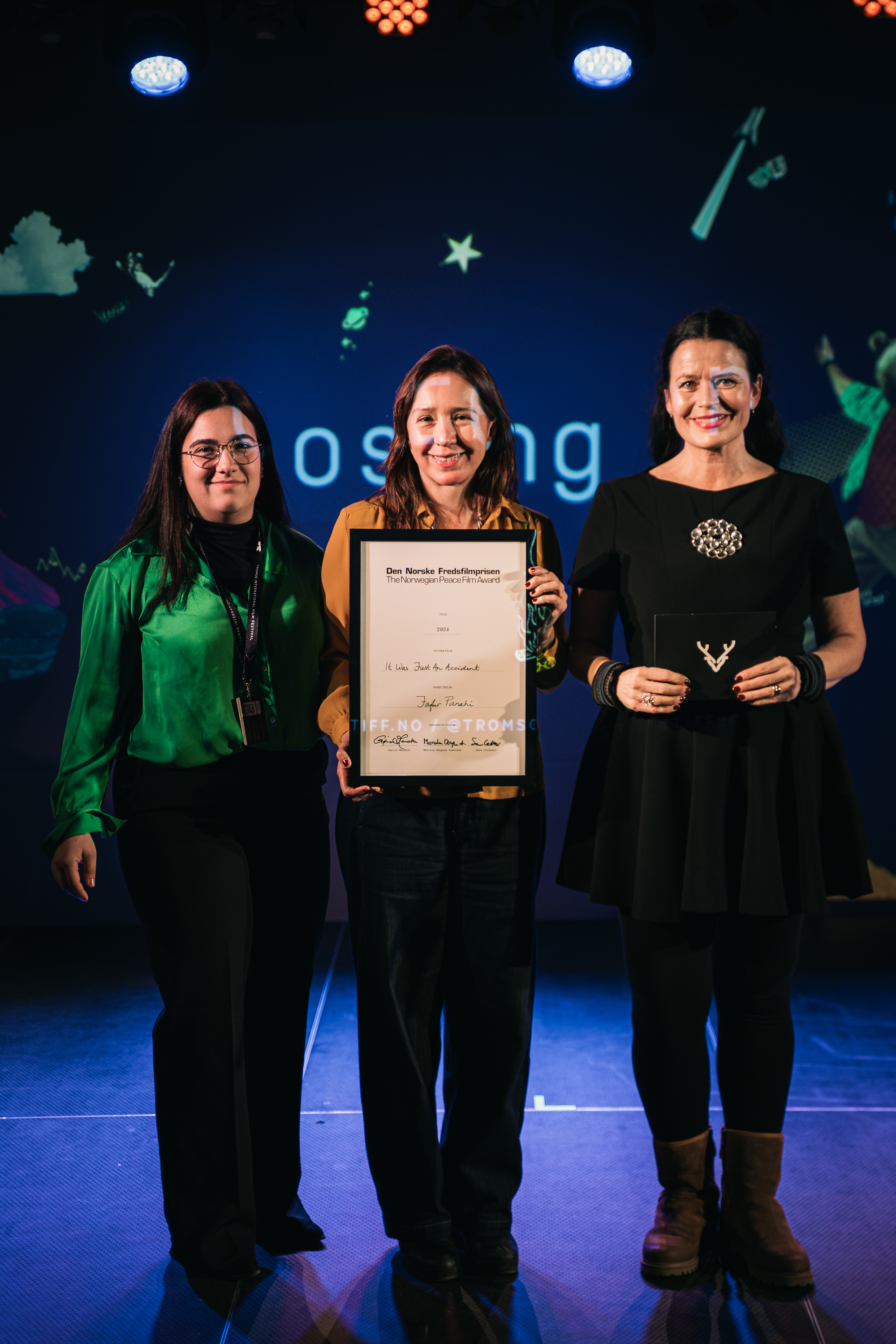
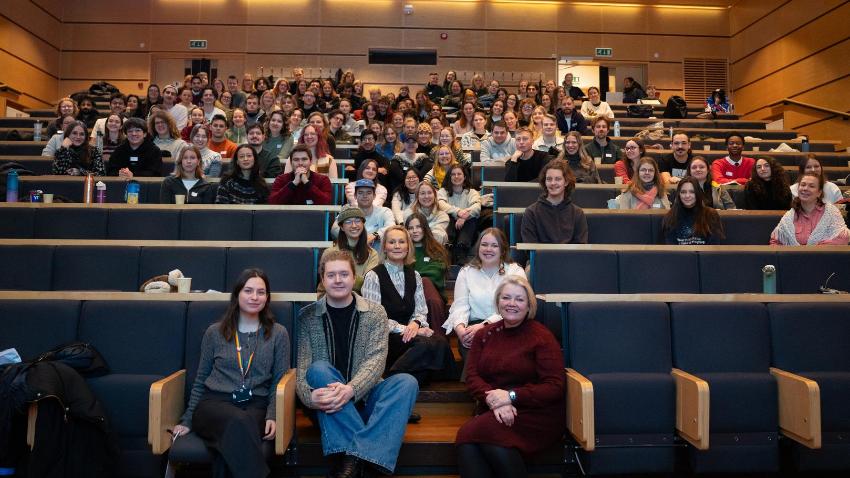
Each year, the Norwegian Peace Film Award (NoFPA) is presented by the Tromsø International Film Festival (TIFF), in collaboration with the Centre for Geopolitics, Peace and Security at UiT and the Student Peace Network.
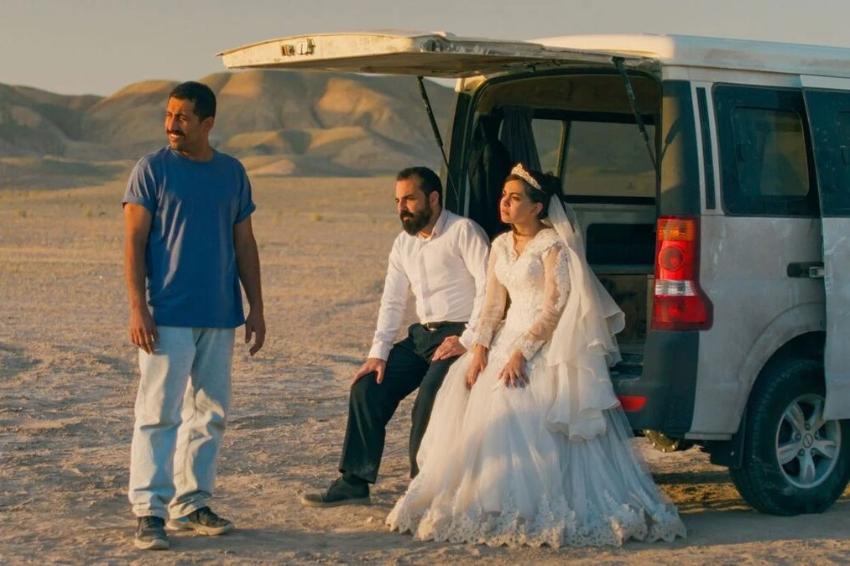
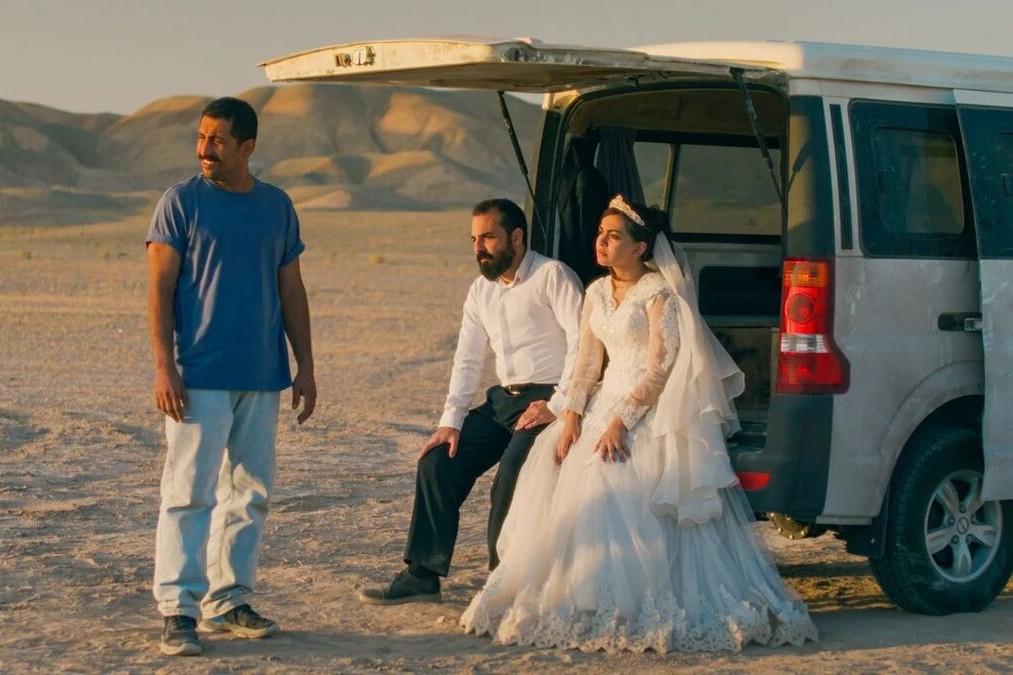
This year's winning film is It Was Just an Accident, by the Iranian director and screenwriter Jafar Panahi.
The film also won the prestigious Palme d'Or at the Cannes Film Festival and is nominated for this year's Academy Award.
The main characters in the film are former political prisoners in Iran who have tracked down their former prison guard, the man who tortured them.
During a long car journey, they confront him about the trauma and ruined lives his actions have caused. At the same time, they face a dilemma, as they are unsure of what to do with him – whether to forgive or seek revenge.
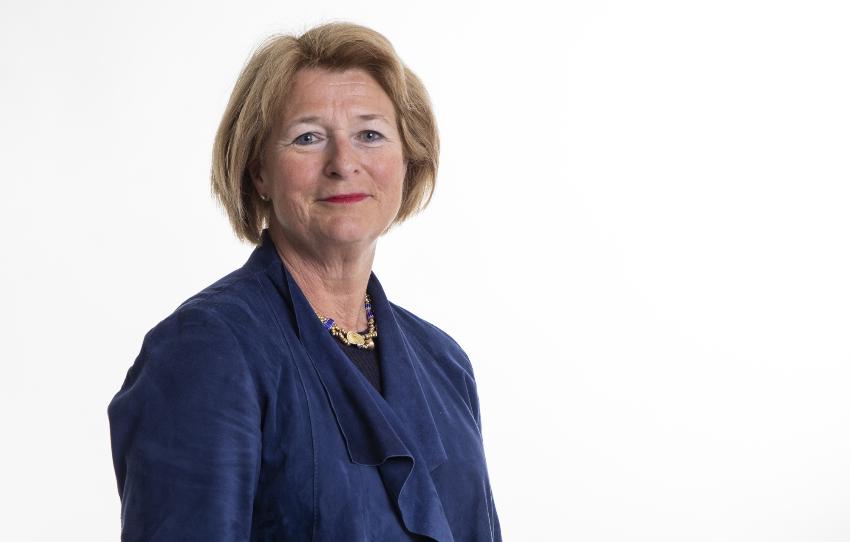
"Panahi poses the question: ‘Should we just continue this cycle of violence, or should it stop?’ It’s a question that goes straight to the heart of peace and reconciliation theory," emphasises Marcela Douglas Aranibar, jury member and head of the Centre for Geopolitics, Peace and Security at UiT.
Negative and Positive Peace
She points out that, on one level, the film is about an injured individual trying to regain dignity after torture. On another level, she believes the film highlights a societal need to confront past traumas without perpetuating violence.
'In this perspective, It Was Just an Accident can be seen as a cinematic contribution to both negative peace, which is the absence of violence, and positive peace, which involves the presence of justice and reconciliation, as defined by Johan Galtung,' says Aranibar.
The film is directly inspired by Panahi's own experiences with imprisonment, torture, and censorship, and reflects the systematic violence that continues to characterise Iran's judicial and security systems.
The filmmaker Jafar Panahi
- Was awarded the Caméra d’Or at the Cannes Film Festival in 1995 for his debut film The White Balloon.
- He is recognised as one of the most influential filmmakers in Iran, despite having been banned from working in the country for over 20 years.
- This year, Panahi was sentenced in absentia in Iran for "propaganda against the state." The sentence includes one year in prison and a travel ban.
One of the reasons given by the jury for the award is that the film contains a subtle humour, which Aranibar believes is a powerful tool.
'Panahi combines satire and dark comedy, making the critique of Iran's corrupt regime more direct and engaging than pure tragedy,' she says.
Reflecting the Regime
According to Aranibar, the film serves as an important starting point for understanding the tense political situation in present-day Iran. This month, thousands of protesters have been killed, and opposition to the regime is being suppressed across all levels of society.
'The film is directly inspired by Panahi's own experiences with imprisonment, torture, and censorship, and reflects the systematic violence that continues to characterise Iran's judicial and security systems. The fact that the film was made without official permission, and that Panahi has once again been sentenced in absentia for 'propaganda against the state,' highlights how little room for action critics have in today's Iran,' concludes Aranibar.
-
Fiskeri- og havbruksvitenskap - bachelor
Varighet: 3 År -
Fiskeri- og havbruksvitenskap - master
Varighet: 2 År -
Master of Philosophy in Visual and Multimodal Anthropology
Varighet: 2 År -
Arkeologi - master
Varighet: 2 År -
Peace and Conflict Transformation - master
Varighet: 2 År -
Indigenous Studies - master
Varighet: 2 År -
Technology and Safety - master
Varighet: 2 År -
Sosiologi - master
Varighet: 2 År -
Strategisk ledelse og økonomi - erfaringsbasert master
Varighet: 5 Semestre -
Engelsk - årsstudium
Varighet: 1 År -
Samfunnsplanlegging - bachelor
Varighet: 3 År -
Pedagogikk - bachelor
Varighet: 3 År -
Sosiologi - bachelor
Varighet: 3 År -
Arkeologi - bachelor
Varighet: 3 År -
Spansk - årsstudium
Varighet: 1 År -
Statsvitenskap - bachelor
Varighet: 3 År -
Pedagogikk - master
Varighet: 2 År -
Likestilling og kjønn - årsstudium
Varighet: 1 År -
Samfunnsplanlegging - master
Varighet: 2 År -
Økonomi og administrasjon - bachelor
Varighet: 3 År -
Samfunnssikkerhet - bachelor
Varighet: 3 År -
Økonomi og administrasjon, siviløkonom - master
Varighet: 2 År -
Ledelse, innovasjon og marked - bachelor
Varighet: 3 År -
Ergoterapi - bachelor
Varighet: 3 År -
Grunnskolelærerutdanning for 1.-7. trinn - master
Varighet: 5 År -
Grunnskolelærerutdanning for 5.-10. trinn - master
Varighet: 5 År -
Samfunnssikkerhet - master
Varighet: 2 År -
Kunst - bachelor
Varighet: 3 År -
Kunsthistorie - master
Varighet: 2 År -
Musikkutøving - bachelor
Varighet: 4 År -
Religionsvitenskap - årsstudium
Varighet: 1 År -
Russisk - årsstudium
Varighet: 1 År -
Samfunnsøkonomi med datavitenskap - bachelor
Varighet: 3 År -
Sosialantropologi - bachelor
Varighet: 3 År -
Organisasjonsdesign og ledelse - master
Varighet: 2 År -
Statsvitenskap - master
Varighet: 2 År -
Historie - master
Varighet: 2 År -
Kunsthistorie - bachelor
Varighet: 3 År -
Tysk - årsstudium
Varighet: 1 År -
Filosofi - bachelor
Varighet: 3 År -
Kvensk - årsstudium
Varighet: 1 År -
Barnehagelærer - bachelor
Varighet: 3 År -
Forfatterstudium 2 - årsstudium
Varighet: 1 År -
Sosialt arbeid - bachelor
Varighet: 3 År -
Bedriftsøkonomi - årsstudium
Varighet: 2 År -
Ledelse - årsstudium
Varighet: 2 År -
Sosialt arbeid - master
Varighet: 2 År -
Ledelse, innovasjon og marked - master
Varighet: 2 År -
Governance and Entrepreneurship in Northern and Indigenous Areas - master
Varighet: 4 År -
Praktisk-pedagogisk utdanning for trinn 8-13 - årsstudium
Varighet: 2 År