UiT Researchers Head to the Faroe Islands to Share Arctic Knowledge
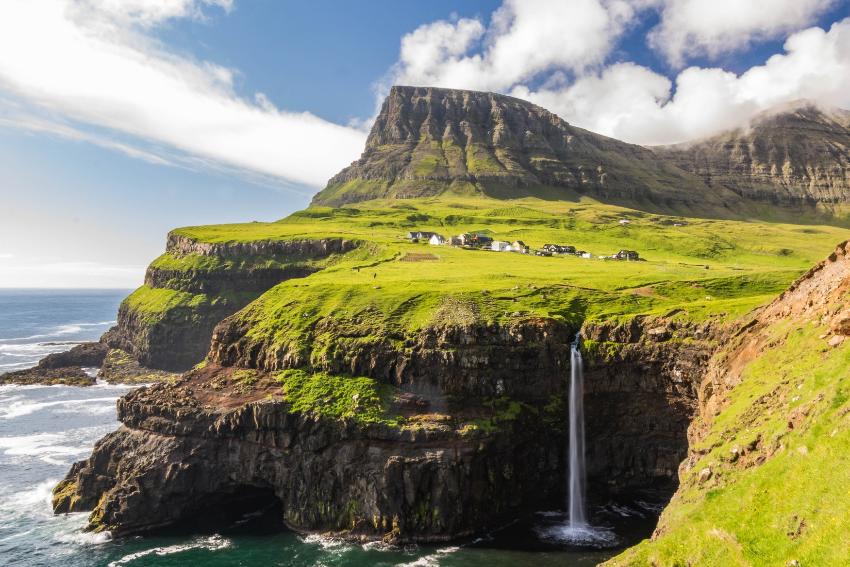
Researchers from UiT are set to participate in a series of panel debates during the Arctic Congress, organised by UArctic in Tórshavn, Faroe Islands. They will contribute fresh perspectives on the blue economy, Indigenous peoples, climate change, and preparedness.

UArctic is a global organisation established to promote collaboration in Arctic research and higher education.
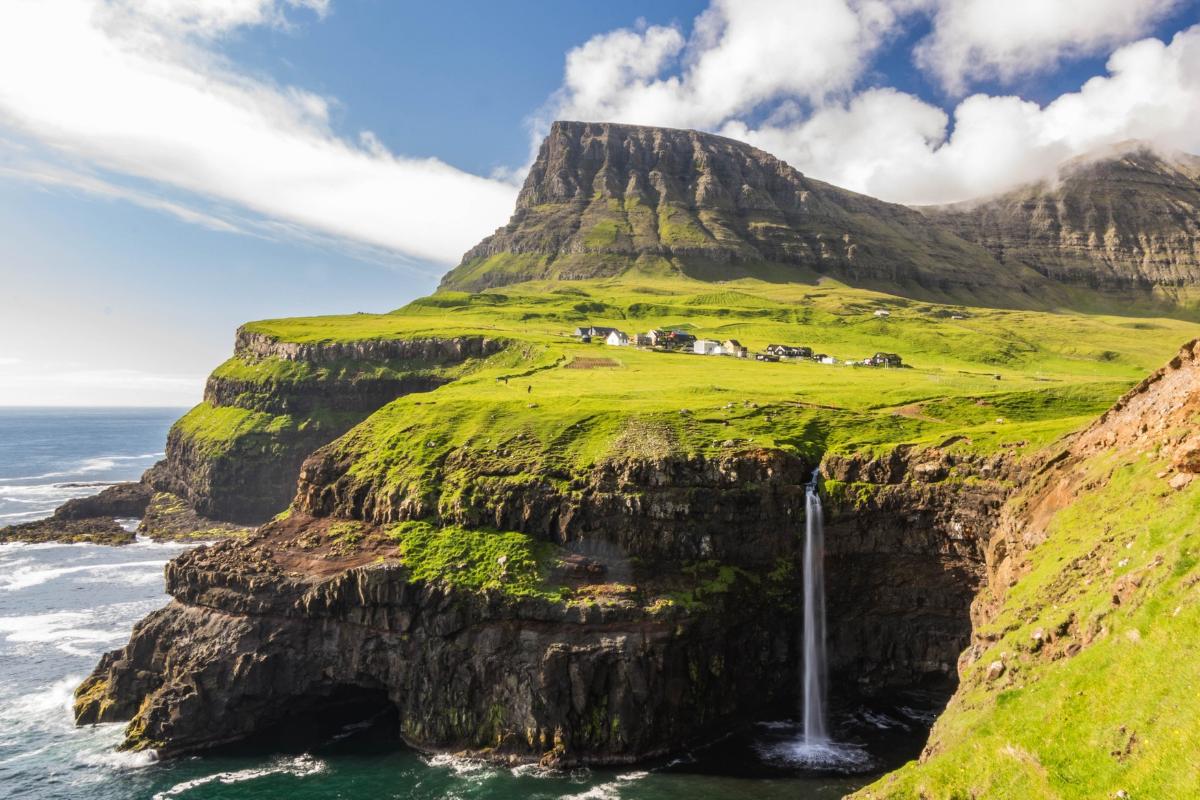
Every other year, UArctic organises a congress that brings together researchers, politicians, and leading societal actors from around the world. This year, the congress will take place from 26–29 May in Tórshavn, Faroe Islands.
Read more about the Arctic Congress here.
The congress includes the UArctic Assembly and the UArctic Rector’s Forum, where the organisation’s status is discussed and reviewed, and new decisions regarding strategic direction are made.
In the three days leading up to the congress, a series of panel debates and presentations will be held, focusing on scientific perspectives on the Arctic. This year’s main themes are sustainable economic development and international cooperation, the ocean, climate change in the Arctic, biodiversity, Indigenous peoples, and northern communities.
New this year is the inclusion of the Ocean Connectivity Conference, organised by the Nordic Council, as part of the Arctic Congress.
UiT’s Contributions to the Congress
UiT researchers will present new findings and analyses on natural conditions and societal challenges in the Arctic.
Key focus areas for UiT include Arctic Ocean 2050 and research contributions to the International Polar Year (IPY).
Facts About UArctic
- Promotes collaboration in research and higher education related to the Arctic.
- Has 212 members across both Arctic and non-Arctic countries.
- Collectively, the member institutions have 2.5 million students and 511,000 staff.
- In the Nordic region, UArctic has 69 members.
- The university alliance The Arctic Six is one of the organisation’s four regional hubs.
During the congress, there will also be an emphasis on the collaboration of UiT researchers within various thematic networks and clusters alongside colleagues through The Arctic Six. This is an alliance of six universities located in the Arctic regions of Norway, Sweden, and Finland.
The Arctic Six serves as a regional hub for UArctic, facilitating knowledge development and innovation in collaboration with local communities, as well as the private and public sectors.
Through this research collaboration, new knowledge is being developed across a range of fields. These include the consequences of climate change, preparedness, the transport and energy sectors, public health, the development of environmental technology, and the ripple effects of geopolitical tensions.
In the overview below, you can read more about the projects UiT researchers will present at the Arctic Congress.
Contact Information
If you have any questions about the sessions where UiT is contributing or wish to interview UiT researchers, you can contact:
Kim Bredesen, Communications Advisor at UiT
Mobile: +47 984 60 956
Email: kim.bredesen@uit.no
Sessions Featuring UiT Researchers
(Click on the links to see the names and titles of the researchers)
Indigenous rights, languages, and culture
26 May
Indigenous Language Policies, Local Politic Making and Implementation
27 May
Birgejupmi: Co-creation in Practice - Stories from the Field
Indigenizing Academia: Lessons across the Arctic
Enabling Indigenous Research Leadership Through Capacity Building
Blue economy, fisheries, and aquaculture
26 May
27 May
Climate change adaptation and mitigation in Arctic fisheries
Opportunities and Barriers to Mitigation and Adaptation in Arctic fisheries
Artificial Intelligence for Sustainable Fisheries: Methods, Monitoring, and Practice
Marine research
27 May
Understanding and Imagining Extreme Marine Environments in the Arctic regions
Arctic Marine Biodiversity: Current Insights and Knowledge Gaps
Shipping and logistics
26 May
Navigating Arctic Futures: Ocean Dynamics and Shipping Toward 2050: The Arctic 2050 Programme
28 May
Sustainable and Intelligent Urban Logistics Planning
Geopolitics
26 May
Shifting Poles: Asia's Role in Arctic Geopolitics and Governance
27 May
Revitalizing Arctic Science Diplomacy in an Era of Geopolitical Transformation
Climate change
26 May
Warning on the AMOC: Challenges and Responses from the Arctic to the North Atlantic
Health and welfare
26 May
Social Inequalities in Health in the North Atlantic
Paediatric Mental Health and Wellbeing in the Arctic
Healthy Ageing for all in the Arctic
28 May
University collaboration and science communication
26 May
UArctic’s new sister – a renewed Antarctic University corporation structure
28 May
Creating and Communicating Arctic ArtScience
Preparedness
27 May
Arctic Emergency Management: Advancing Collaborative Approach
Resilience, sustainability, innovation, and local communities
26 May
Interdisciplinary Connections & Creative Capacity Building in Small Northern Communities
From Detection to Action – Community Resilience to Emerging Arctic Extremes
27 May
Solid Waste Management in the Arctic: Issues, Complexity, and Sustainable Future
Biocultural Heritage: Understanding, Applying and Governing for Sustainable Future
28 May
Indigenous Food Systems and Foodways of the Arctic
Art, literature, culture, and history
26 May
27 May
The Ocean as a Connector Between People, Places, and Cultures in Literature and History
Cultural Management of Fish Resources: Diversity for the Future
28 May
Representations of Indigenous Peoples in Medieval Literature
International student projects
26 May
Equality, youth, and upbringing
27 May
Youth, Values, and Compromise: Building Resilient Northern Communities Across Generations
28 May
UiT Researchers and Staff Contributing to Arctic Congress 2026
Andreas Altenburger – Associate Professor at the Arctic University Museum of Norway
Bodil Hansen Blix – Professor at the Department of Health and Care Sciences
Bodil Bluhm – Professor at the Department of Arctic and Marine Biology
Lars Ailo Bongo – Professor at the Department of Computer Science
Dorothee Ehrich – Senior Researcher at the Department of Arctic and Marine Biology
Astrid M.A. Eriksen – Researcher at the Centre for Sami Health Research (SSHF)
Aileen Aseron Espiritu – Researcher at the Centre for Geopolitics, Peace, and Security
Igor Ezau – Professor at the Department of Physics and Technology
Trude Fonneland – Professor at the Arctic University Museum of Norway
Helge Fredriksen – Associate Professor at the Department of Computer Science
Abhik Gosh – Professor at the Department of Chemistry
Ketil Lenert Hansen – Professor, Research Group for Child and Family Welfare
Erik Henriksen – Professor at the Department of Technology and Safety
Nina Hermansen – Docent at the Department of Child Welfare and Social Work
Anje Christina Höper – Researcher / Research Group Leader at the Research Group for Occupational Health
Tiina Ikäheimo – Professor at the Research Group for Occupational Health
Øystein Klemetsen – Associate Professor at the Department of Technology and Safety
Lars Kullerud – President of UArctic and Senior Advisor at the Section for International Cooperation
Èva Cosette-Laneville – PhD Candidate at the Department of Language and Culture
Yajie Liu – Professor at the Norwegian College of Fishery Science
Filip Maric – Associate Professor at the Department of Health and Care Sciences
Kate Maxwell – Professor at the Conservatory of Music in Tromsø
Veslemøy Mantor – Senior Engineer at the Department of Arctic and Marine Biology
Tiziana Melchiorre – Researcher at the Norwegian College of Fishery Science
Lilli Mittner – Associate Professor at the Centre for Women's and Gender Research
Mikko Antti Moilanen – Professor at the School of Business and Economics, UiT Tromsø
Bente Norbye – Docent at the Department of Health and Care Sciences
Yara Hannah Theresa Nieuwenhuis – Officer at the Section for Research, Education, and Outreach (UMAK)
Iveta Novokova – Associate Professor at the Department of Building, Energy, and Material Technology
Dag Rune Olsen – Rector at UiT
Giuliana Panieri – Professor at the Department of Geosciences
Greg Michael Poelzer – Professor at the Department of Social Sciences
Issam Rais – Associate Professor at the Department of Computer Science
Jorge Santos – Professor at the Norwegian College of Fishery Science
Eli-Anita Øivand Schøning – Researcher and Project Manager at the Arctic University Museum of Norway
Signe Groot Terkelsen – PhD Candidate at the Department of Archaeology, History, and Religious Studies
Øystein Alexander Vangsnes – Professor at the Department of Language and Culture
Florian Vidal – Senior Advisor at the Centre for Geopolitics, Peace, and Security
Hao Yu – Professor at the Department of Industrial Technology
Elisabeth Wetzer – Associate Professor at the Department of Physics and Technology
Fern Wickson – Professor at the Norwegian College of Fishery Science
Barrett Thor Zimmerman – Advisor at the Department of Arctic and Marine Biology
-
Fiskeri- og havbruksvitenskap - bachelor
Varighet: 3 År -
Fiskeri- og havbruksvitenskap - master
Varighet: 2 År -
Akvamedisin - master
Varighet: 5 År -
Peace and Conflict Transformation - master
Varighet: 2 År -
Computer Science - master
Varighet: 2 År -
Geosciences - master
Varighet: 2 År -
Biologi - bachelor
Varighet: 3 År -
Nordisk - årsstudium
Varighet: 1 År -
Historie - årsstudium
Varighet: 1 År -
Arkeologi - bachelor
Varighet: 3 År -
Pedagogikk - master
Varighet: 2 År -
Informatikk, datamaskinsystemer - bachelor
Varighet: 3 År -
Informatikk, sivilingeniør - master
Varighet: 5 År -
Allmenn litteraturvitenskap - årsstudium
Varighet: 1 År -
Geovitenskap- bachelor
Varighet: 3 År -
Farmasi - master
Varighet: 2 År -
Romfysikk, sivilingeniør - master
Varighet: 5 År -
Bærekraftig teknologi, ingeniør - bachelor
Varighet: 3 År -
Filosofi - bachelor
Varighet: 3 År -
Anvendt fysikk og matematikk, sivilingeniør - master
Varighet: 5 År -
Arctic Nature Guide - one year programme
Varighet: 1 År -
Arktisk friluftsliv og naturguiding - bachelor
Varighet: 3 År -
Arktisk friluftsliv - årsstudium
Varighet: 1 År -
Grunnskolelærerutdanning for 1.-7. trinn - master
Varighet: 5 År -
Governance and Entrepreneurship in Northern and Indigenous Areas - master
Varighet: 4 År -
Internasjonal beredskap - bachelor
Varighet: 3 År -
Landskapsarkitektur - master
Varighet: 5 År -
Grunnskolelærerutdanning for 5.-10. trinn - master
Varighet: 5 År -
Ph.d.-program i naturvitenskap
Varighet: 3 År -
Environmental Law - master
Varighet: 2 År -
Ph.d.-program i humaniora og samfunnsvitenskap
Varighet: 3 År -
Ph.d.-program i realfag
Varighet: 3 År -
Samfunnsøkonomi med datavitenskap - master
Varighet: 2 År -
Luftfartsvitenskap - master
Varighet: 3 År -
PhD Programme in Science
Varighet: 3 År -
PhD programme in Nautical Operations
Varighet: 3 År -
Filosofi - årsstudium
Varighet: 1 År -
Lektor i språk og samfunnsfag trinn 8-13 - master
Varighet: 5 År -
Fysikk og matematikk - bachelor
Varighet: 3 År -
Havteknologi, ingeniør - bachelor (ordinær, y-vei)
Varighet: 3 År -
Landscape Architecture - master
Varighet: 2 År -
Contemporary Risk and Crisis Management - master
Varighet: 2 År -
Informatikk, datafag - bachelor
Varighet: 3 År -
Computer Science - master
Varighet: 4 År -
Fornybar energi, sivilingeniør - master
Varighet: 5 År -
Bærekraftig kjemi og innovasjon, sivilingeniør - master
Varighet: 5 År -
Mediefag - årsstudium
Varighet: 1 År -
Praktisk-pedagogisk utdanning trinn 8-13 - årsstudium
Varighet: 1 År -
Philosophy - master
Varighet: 2 År -
Photonics and nanotechnology - master
Varighet: 2 År