“The Dynamics of Collaboration Are Changing”
UArctic plans to establish a sister organisation for Antarctica. The goal of the initiative is to better coordinate, fund, and facilitate research on the cryosphere and oceans in the Southern Hemisphere.

Since 2021, there has been a decline in research related to Antarctica. Meanwhile, China's contributions to this field have strengthened between 2022 and 2024.
These findings are presented in a research report published by The Arctic Centre at Umeå University, the University of Tasmania, and the Nordic Institute for Studies in Innovation, Research and Education (NIFU). The report is based on a review of 30,000 peer-reviewed articles on Antarctica, published between 2014 and 2024.
A Changing Field of Research
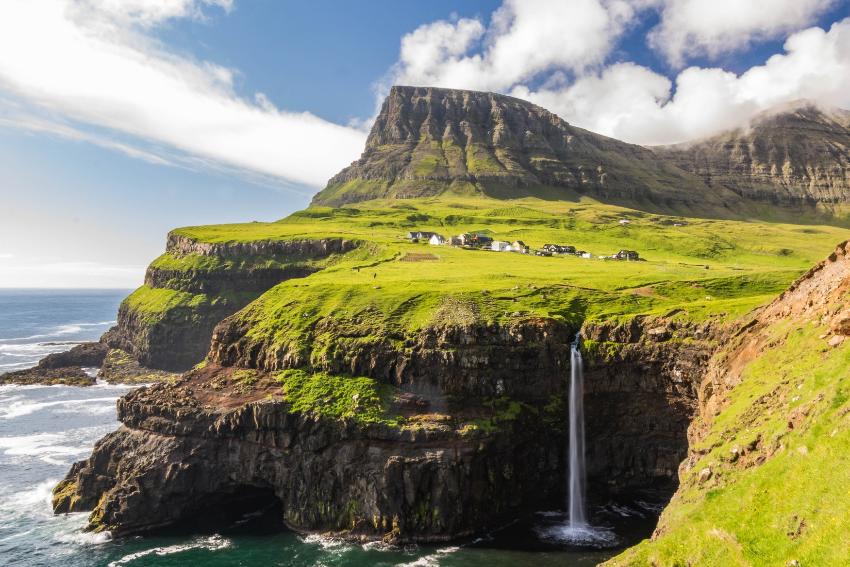
How can we strengthen research on Antarctica? This question was at the centre of a panel discussion at the UArctic Congress, which is being held this week in Tórshavn, in the Faroe Islands. Researchers from Norway, Sweden, Germany, Canada, Japan, Brazil, and Australia participated in the debate.
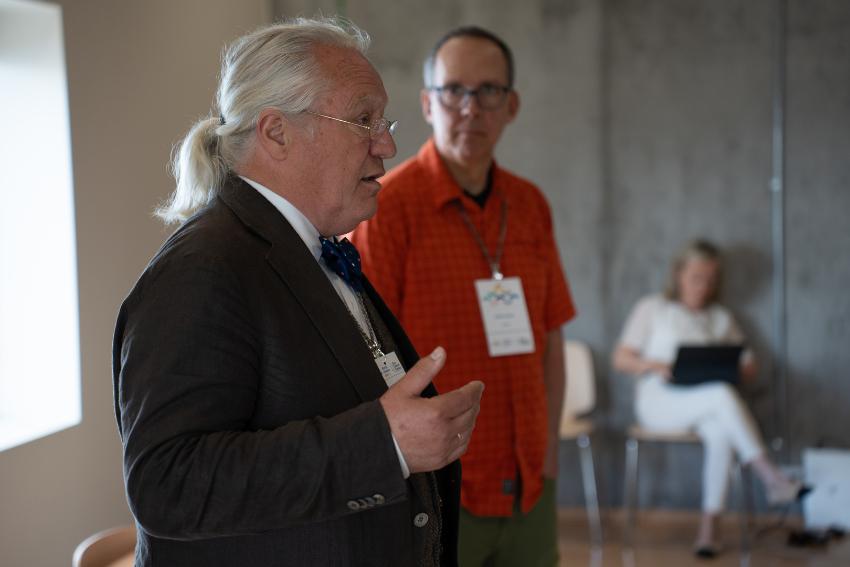
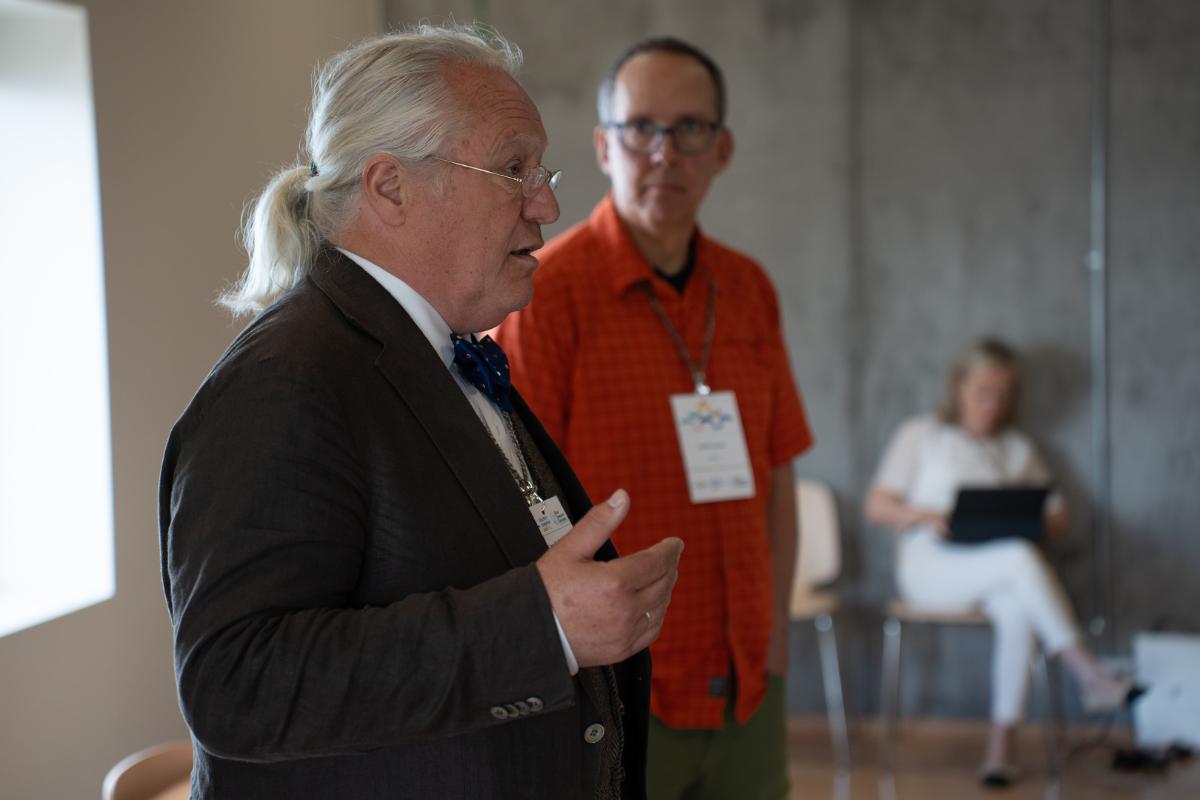
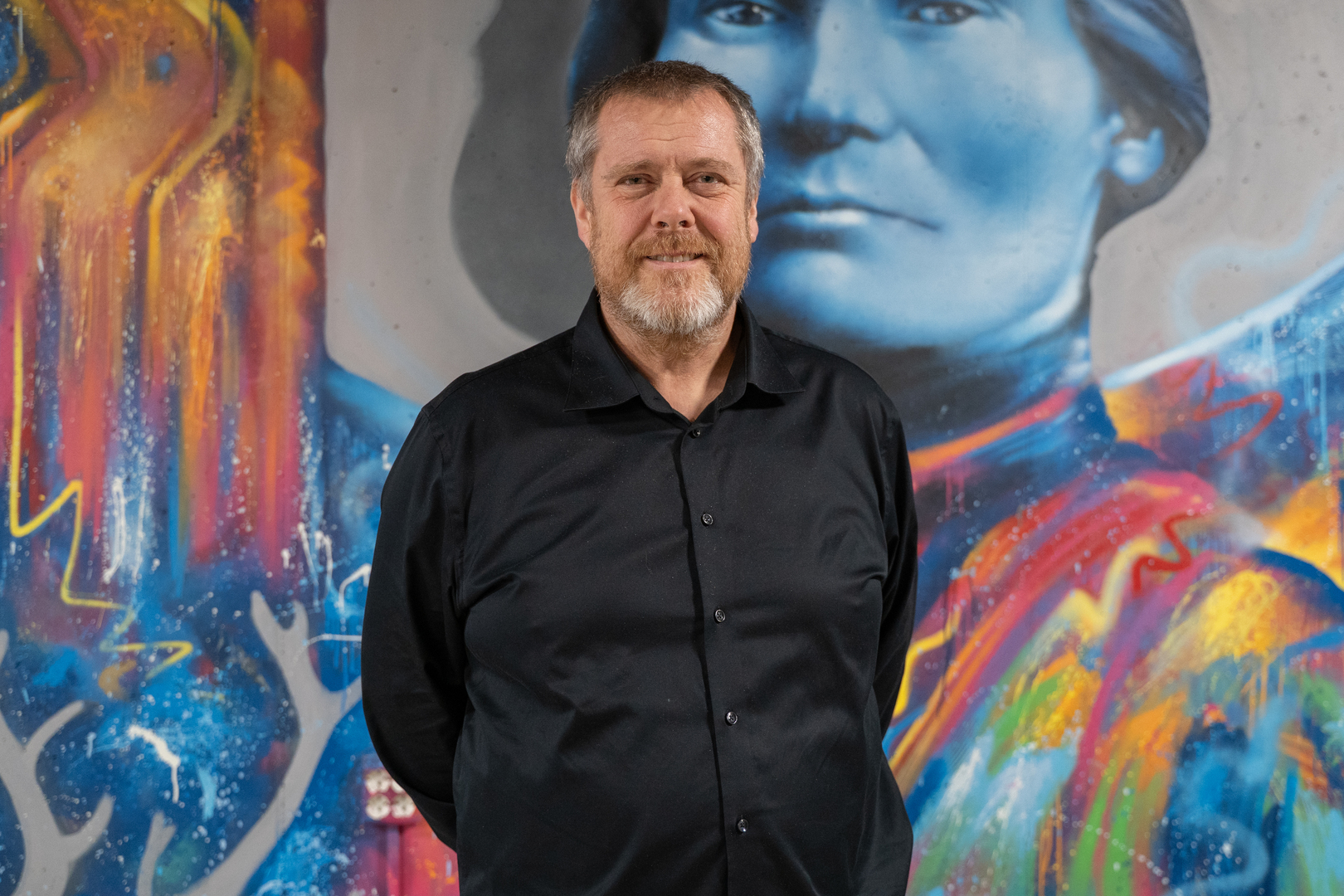
One of the participants in the panel discussion was Keith Larson, Director of The Arctic Centre at Umeå University. He has played a leading role in mapping developments in Antarctic research and believes it is crucial to gain a better understanding of how different countries allocate resources to research in Antarctica.
The cryospheres are interconnected; they are the Earth's cooling systems. All research on the cryosphere and the ocean is mutually relevant for both regions.
According to Larson, it is an unfortunate trend that Arctic and Antarctic research are increasingly moving in different directions. He is also critical of the fact that Chinese researchers are collaborating less and less with colleagues from other countries. He believes this could have implications for the contributions made to the upcoming International Polar Year (2032–2033).
“What is happening is that the dynamics of collaboration are changing, and this affects how the field develops,” Larson emphasises.
At the same time, he sees new opportunities for the use of open data, which could benefit the international research community.
“China does not have many researchers on the ground in Antarctica, but they are taking advantage of the availability of open data from the international research community. We can all use data tools to uncover how we can create better collaboration through open data,” he says.
Proposal for a Sister Organisation
Discussions were held in the panel on how to address the challenges faced by Antarctic researchers. A joint initiative that has gained support is to bring together research communities working on Antarctic issues into a single organisation, which has provisionally been named UAntarctic.
Previously, UArctic, during the last International Polar Year (2007–2009), established an organisation with a similar purpose, called the International Antarctic Institute (IAI). Now, research communities in both IAI and the Scientific Committee on Antarctic Research (SCAR) have called for the establishment of even broader collaborative networks, which could evolve into a sister organisation to UArctic.
Everyone realises that research in Antarctica is extremely expensive. It costs an incredible amount to equip expeditions and conduct research there.
To achieve this goal, a proposal has been put forward within UArctic to initially form a regional centre under UArctic, as a first step towards establishing a sister organisation. The structure of collaboration for such an organisation has not yet been determined and is still under development.
Collaboration, Integration, and Funding
For Larson, it is important that a potential UAntarctic, like UArctic and The Arctic Six, can serve as a collaborative network that strengthens the potential for entering into research agreements. He also sees it as crucial that UAntarctic facilitates the integration of institutions in the Global South and the Global North.
“This is precisely what makes the UArctic model so effective. For example, UArctic and Arctic Six have been at the forefront of involving Indigenous communities in Arctic research,” says Larson.
Jørgen Berge, Vice-Rector for Research and Innovation at UiT and Director of Arctic Six, also emphasises the importance of North-South collaboration and the potential for a new organisation to strengthen research funding.
“More and more people are looking ahead to the International Polar Year we know is coming. Everyone realises that research in Antarctica is extremely expensive. It costs an incredible amount to equip expeditions and conduct research there. We need to stand together; we need cooperation and coordination,” Berge stresses.
The World's Cooling Systems
Larson's colleague highlights that integrating research on the two poles is essential for building reliable knowledge to address climate change.
“The cryospheres are interconnected; they are the Earth's cooling systems. All research on the cryosphere and the ocean is mutually relevant for both regions. We need to understand whether what is happening in the Arctic is similar to what is happening in Antarctica, or vice versa. If they are developing in different directions, it suggests that something interesting is happening. But if they are both moving in the same direction, it could potentially be very concerning,” Larson concludes.
-
Fiskeri- og havbruksvitenskap - bachelor
Varighet: 3 År -
Fiskeri- og havbruksvitenskap - master
Varighet: 2 År -
Akvamedisin - master
Varighet: 5 År -
Bioteknologi - bachelor
Varighet: 3 År -
Arkeologi - master
Varighet: 2 År -
Geosciences - master
Varighet: 2 År -
Biology - master
Varighet: 2 År -
Physics - master
Varighet: 2 År -
Mathematical Sciences - master
Varighet: 2 År -
Biomedicine - master
Varighet: 2 År -
Computational chemistry - master
Varighet: 2 År -
Biologi - bachelor
Varighet: 3 År -
Medisin profesjonsstudium
Varighet: 6 År -
Luftfartsfag - bachelor
Varighet: 3 År -
Informatikk, datamaskinsystemer - bachelor
Varighet: 3 År -
Informatikk, sivilingeniør - master
Varighet: 5 År -
Geovitenskap- bachelor
Varighet: 3 År -
Biomedisin - bachelor
Varighet: 3 År -
Matematikk - årsstudium
Varighet: 1 År -
Ergoterapi - bachelor
Varighet: 3 År -
Fysioterapi - bachelor
Varighet: 3 År -
Radiografi - bachelor
Varighet: 3 År -
Farmasi - bachelor
Varighet: 3 År -
Farmasi - master
Varighet: 2 År -
Romfysikk, sivilingeniør - master
Varighet: 5 År -
Bærekraftig teknologi, ingeniør - bachelor
Varighet: 3 År -
Odontologi - master
Varighet: 5 År -
Anvendt fysikk og matematikk, sivilingeniør - master
Varighet: 5 År -
Praktisk-pedagogisk utdanning for trinn 8-13 - årsstudium
Varighet: 2 År -
Internasjonal beredskap - bachelor
Varighet: 3 År -
Ernæring - bachelor
Varighet: 3 År -
Ph.d.-program i naturvitenskap
Varighet: 3 År -
PhD Programme in Natural Science
Varighet: 3 År -
PhD Programme in Science
Varighet: 3 År -
Lektor i realfag trinn 8-13 - master
Varighet: 5 År -
Kunstig intelligens, sivilingeniør - master
Varighet: 5 År -
Fysikk og matematikk - bachelor
Varighet: 3 År -
Nautikk - bachelor
Varighet: 3 År -
Medisin profesjonsstudium - forskerlinje
Varighet: 7 År -
Havteknologi, ingeniør - bachelor (ordinær, y-vei)
Varighet: 3 År -
Informatikk, datafag - bachelor
Varighet: 3 År -
Computer Science - master
Varighet: 4 År -
Fornybar energi, sivilingeniør - master
Varighet: 5 År -
Bærekraftig kjemi og innovasjon, sivilingeniør - master
Varighet: 5 År -
Marine Biotechnology and Biological Chemistry - master
Varighet: 2 År -
Peace and Conflict Transformation - master
Varighet: 2 År -
Technology and Safety - master
Varighet: 2 År -
Law of the Sea - master
Varighet: 3 Semestre -
Nordisk - årsstudium
Varighet: 1 År -
Pedagogikk - bachelor
Varighet: 3 År