“Could lead to major changes in the way we learn”
Are many universities locked into a fixed way of thinking about teaching? At a workshop held at UiT in Tromsø, participants used embodied and playful learning to think outside the box.
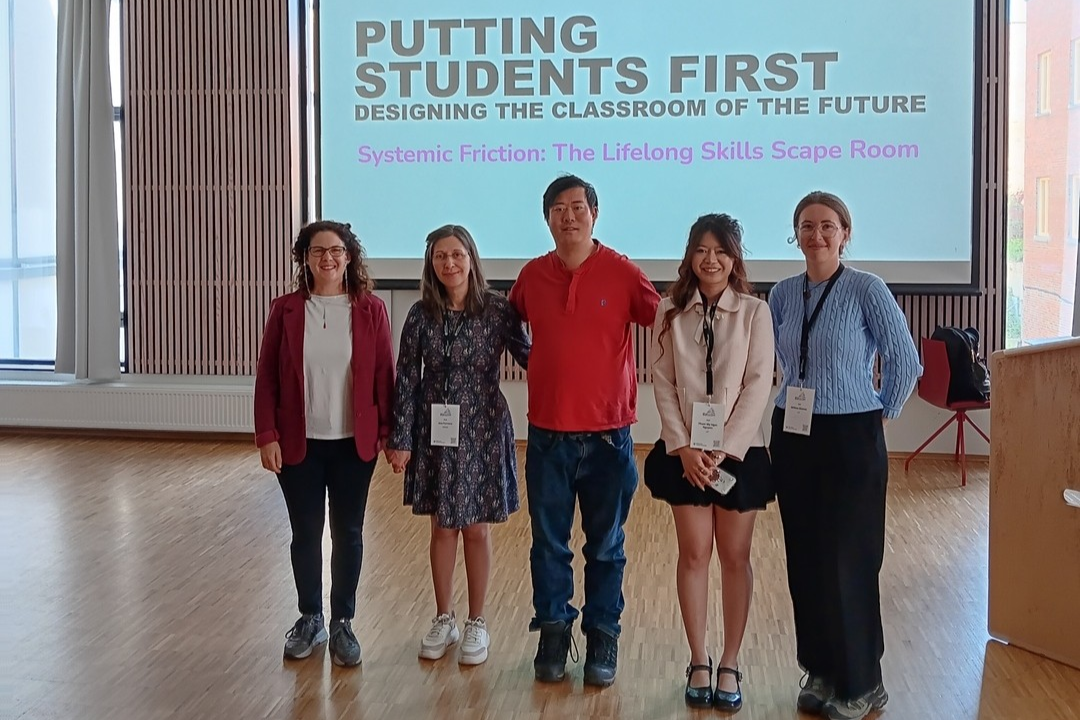

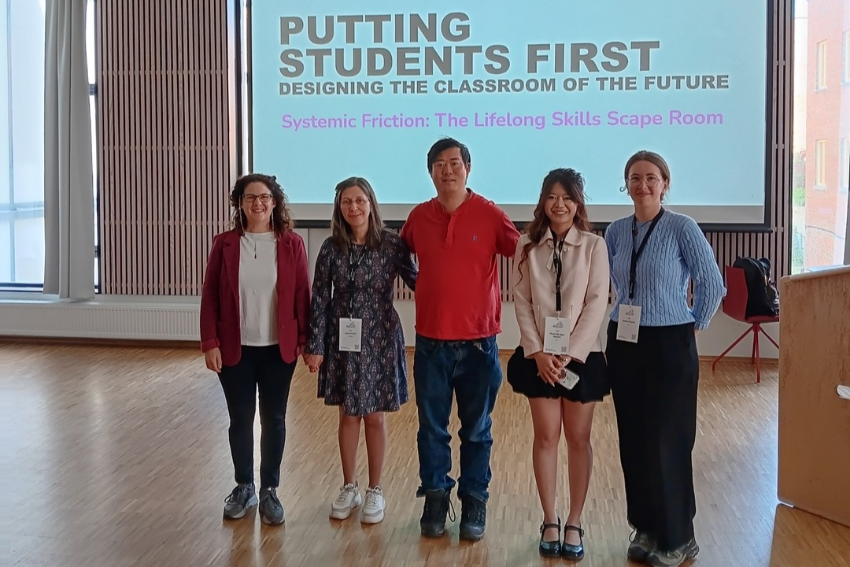
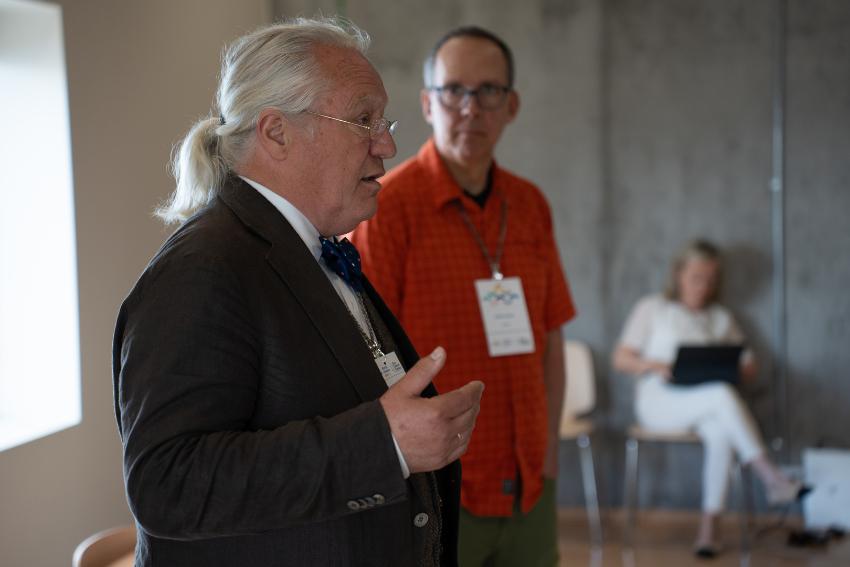
Last week a workshop titled “Living Lab: Putting the Students First” was held at UiT in Tromsø. There, students and staff from partner universities in the EUGLOH alliance explored what the classroom of the future might look like.
The Living Lab format is based on both intensive, independent work and group work, where good solutions and ideas are developed through collaboration in a “hackathon”.
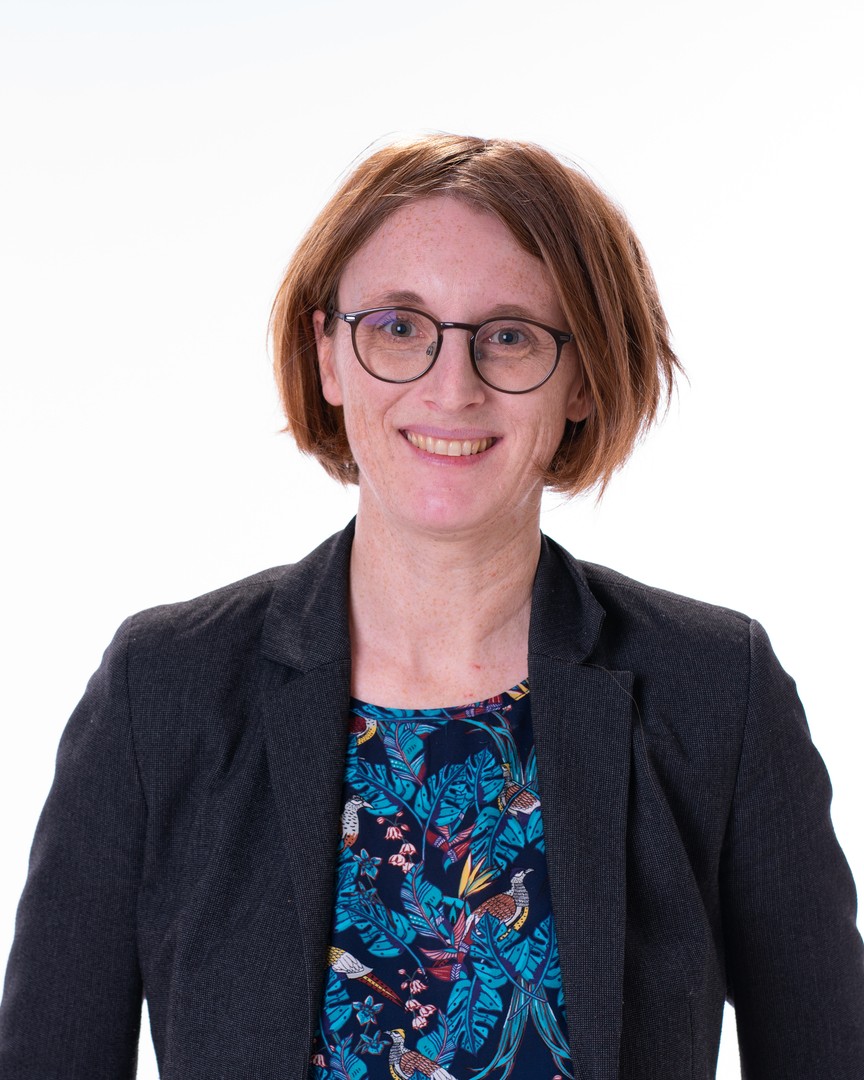
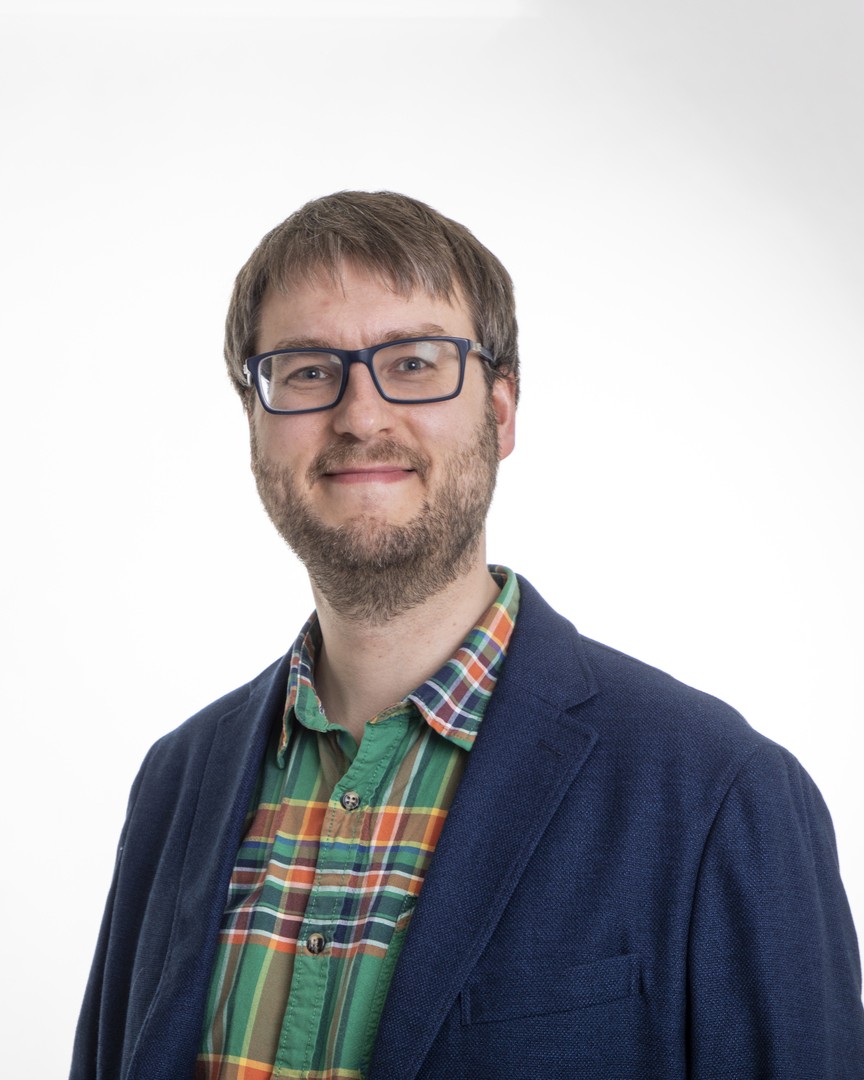
“Participants are encouraged to think anew and challenge established patterns of thought to create innovation and new ideas for the future of education,” says Christina Lentz, university lecturer at the Centre for Women’s and Gender Research. Together with Jørn Weines, associate professor at UiT’s Resource Centre for Teaching, Learning and Technology (Result), she organised the second edition of this Living Lab concept. The two, in collaboration with Professor Kira Gama Rocha at the University of Porto, have further developed the concept since it was first implemented.
An important starting point for the workshop has been cross-cutting skills such as critical thinking, collaboration, communication and leadership. With guidance and support from educational specialists from UiT, the University of Porto and Université Paris-Saclay, participants worked with concepts that expanded the understanding of cross-cutting skills: “systemic thinking”, “collective infrastructure”, “care”, “mutual interdependence” and “imagination”. On this basis they were able to reflect critically and in depth on the concepts, their significance, and how they can be developed, strengthened and adapted for teaching.
Playful and embodied learning
Lentz points out that university education often focuses solely on cognitive processes and overlooks the importance of learning with the whole body and all the senses. Weines adds that they deliberately chose to use playful learning because it can offer fresh perspectives in a study environment marked by a stronger focus on results and a risk-averse attitude.
“We want students and teachers to see the opportunities that come from playing, trying and failing, reflecting and wondering,” he says.
Living Lab: Putting the Students First
- The workshop concept is a collaboration between UiT, Université Paris-Saclay and the University of Porto.
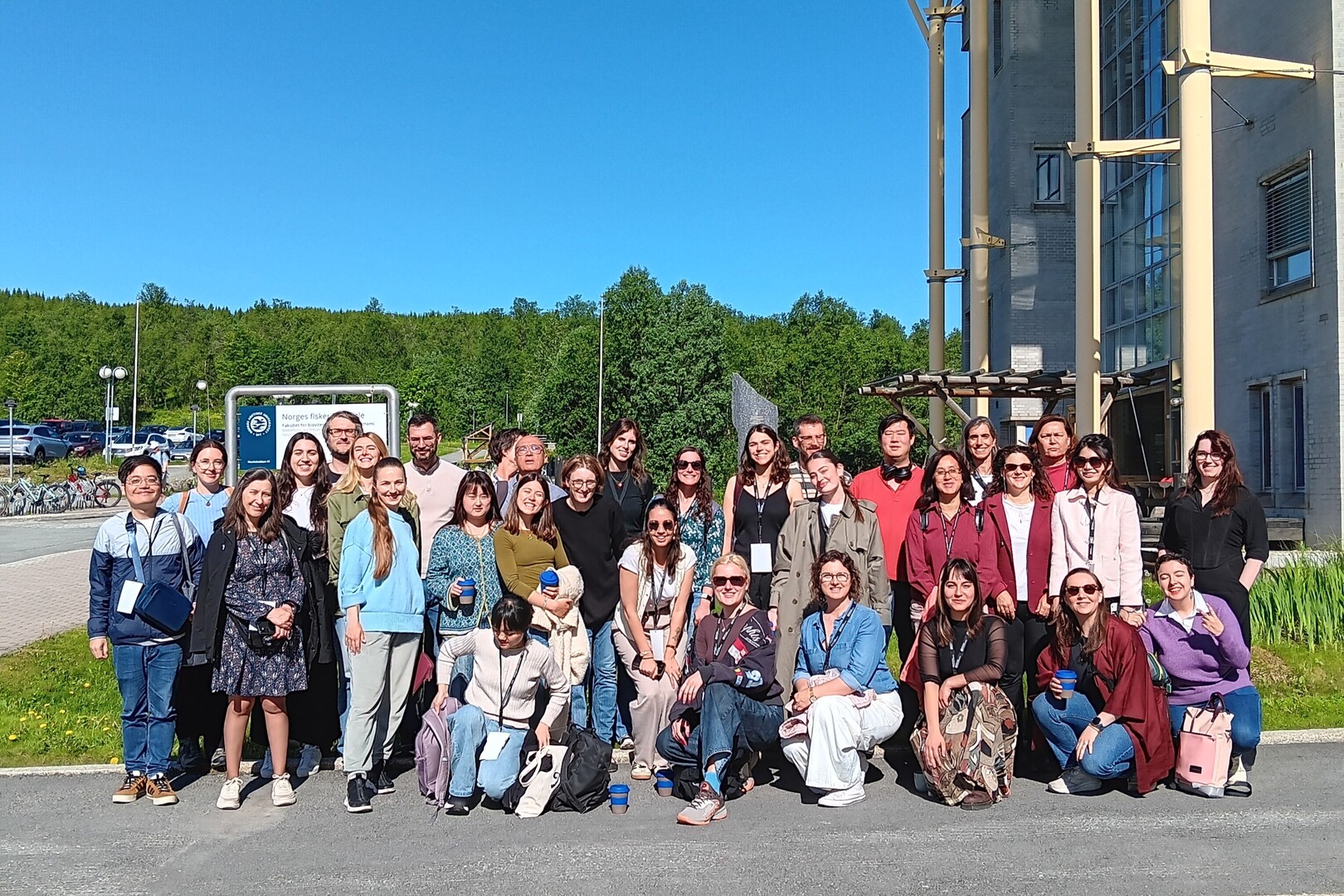
- 28 participants from nine EUGLOH partner universities took part in the Living Lab workshop held in Tromsø in June.
- There, students, researchers and staff collaborated to develop ideas for what the classrooms of the future might look like.
- The workshop focused on cross-cutting skills such as critical thinking, collaboration, communication and leadership.
- Three thematic areas were central during the workshop: playful, embodied and transferable learning.
According to the team, play and embodiment are two closely related dimensions that offer possibilities in teaching.
“It could lead to major changes in the way we learn, how we interact with one another and with the world, and not least what and how much we learn,” emphasises Lentz.
Raising awareness of social responsibility
By opening up new spaces in teaching, it can also facilitate transferable learning that can be adapted to the workplace.
“The aim is not just to better align education, but to go beyond that and aim for a holistic education that prepares students to take responsibility in society,” says Weines.
For him, it is important that participants reflect on how different underlying contradictions and tensions influence teaching. He nevertheless draws a clear distinction between an instrumental use of gamification — characterised by competition and point scoring — and the use of play and games to create a space for understanding through trial and error.
Thinking in new directions
“We use transferable skills as a kind of ‘lens’ to view embodied and playful learning in the course, because we believe such skills should be part of all learning. The focus is on innovative, critical and systemic thinking used to develop educational concepts,” says Lentz.
We want students and teachers to see the opportunities that come from playing, trying and failing, reflecting and wondering.
She believes university communities are far too often stuck in established ways of thinking about education, and that students and staff are not sufficiently encouraged to think in new directions. Lentz argues that the Living Lab concept highlights limitations in established pedagogical thinking and encourages students to be bold while remaining realistic.
Gained new insight
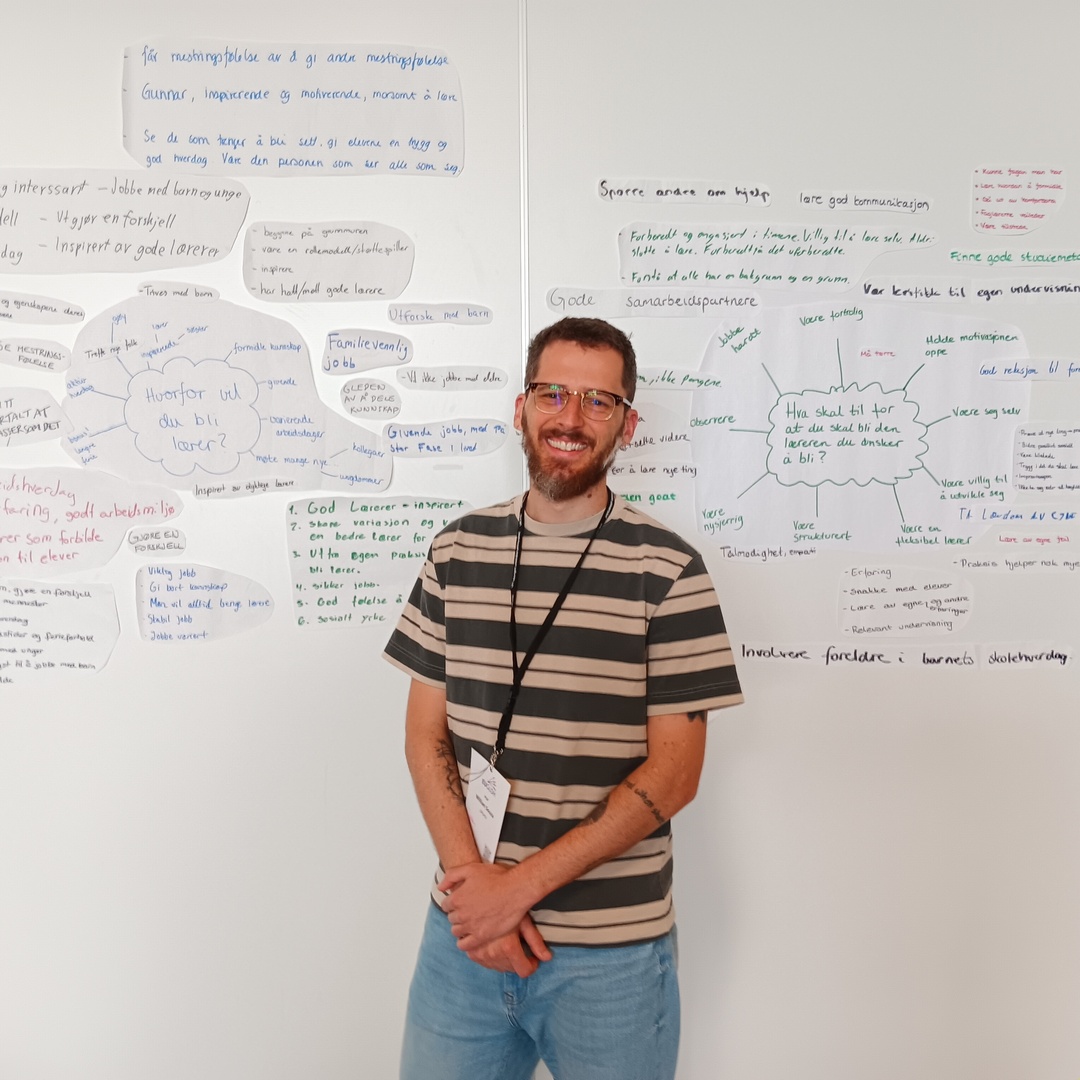
One participant in the workshop was Willian Souza, a PhD candidate in education at the University of Porto. For him, it was important to be able to take part in discussions with colleagues from several countries and with different backgrounds.
“We used a creative methodology within the social sciences that I found productive. We face similar challenges related to education and teaching. By taking part in the workshop we had many opportunities to explore what that meant,” Souza notes.
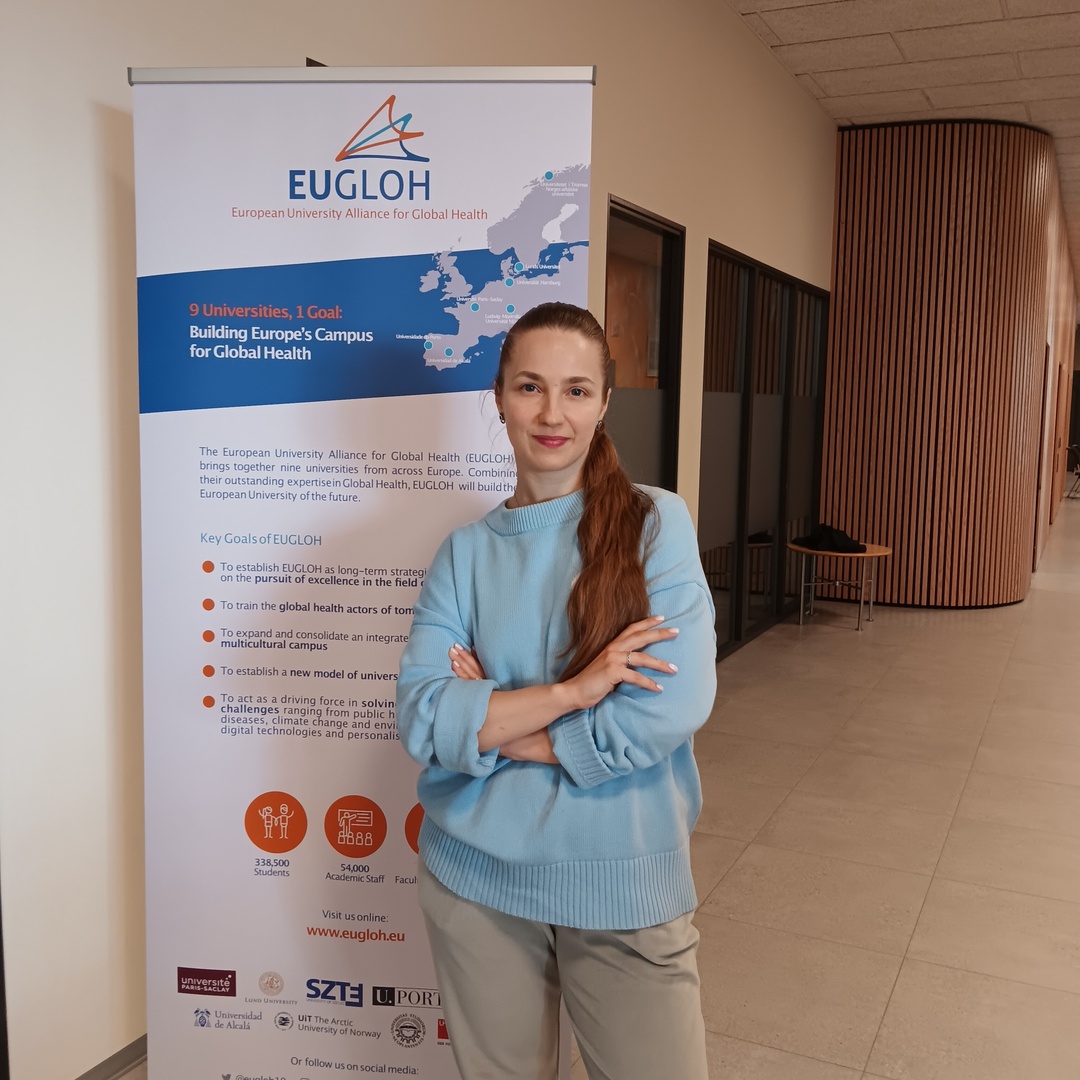
Veronika Kysil from Université Paris-Saclay is both a science communicator and a doctoral researcher at CNRS in France. She was another participant who had a positive experience of the workshop.
“I wanted to understand how we can present scientific work in a new and meaningful way through the use of play and games. The approach in the Living Lab workshop gave me a lot of insight. It is important to be innovative and offer students a different, more creative approach to teaching, where they can both participate and learn at the same time,” says Kysil.
-
Hørelæredidaktikk - master
Varighet: 2 År -
Praktisk-pedagogisk utdanning i musikk - årsstudium
Varighet: 1 År -
Nordisk - årsstudium
Varighet: 1 År -
Pedagogikk - bachelor
Varighet: 3 År -
Spesialpedagogikk - master
Varighet: 2 År -
Pedagogikk - master
Varighet: 2 År -
Logopedi - master
Varighet: 4 År -
Grunnskolelærerutdanning for 1.-7. trinn - master
Varighet: 5 År -
Grunnskolelærerutdanning for 5.-10. trinn - master
Varighet: 5 År -
Filosofi - bachelor
Varighet: 3 År -
Barnehagelærer - bachelor
Varighet: 3 År -
Barnehagelærer - bachelor
Varighet: 3 År -
Barnevern - bachelor
Varighet: 3 År -
Barnehagelærer - bachelor
Varighet: 3 År -
Grunnskolelærerutdanning for 1.-7. trinn - master
Varighet: 5 År -
Praktisk-pedagogisk utdanning for yrkesfaglærere - årsstudium
Varighet: 2 År -
Praktisk-pedagogisk utdanning for trinn 8-13 - årsstudium
Varighet: 2 År -
Vernepleie - bachelor
Varighet: 3 År -
Barnevern - bachelor
Varighet: 3 År -
Vernepleie - bachelor
Varighet: 4 År -
Spesialpedagogikk - bachelor
Varighet: 3 År -
Grunnskolelærerutdanning for 5.-10. trinn - master
Varighet: 5 År -
Pedagogikk - årsstudium
Varighet: 1 År -
Instrumentaldidaktikk - master
Varighet: 2 År -
Filosofi - årsstudium
Varighet: 1 År -
Utdanningsledelse - master
Varighet: 4 År -
Lektor i realfag trinn 8-13 - master
Varighet: 5 År -
Lektor i språk og samfunnsfag trinn 8-13 - master
Varighet: 5 År -
Grunnskolelærerutdanning for 1.-7. trinn - master
Varighet: 5 År -
Videreutdanning for lærere, barnehagelærere og utdanningsledere
Varighet: 1 Semestre -
Barnehagelærer - bachelor
Varighet: 3 År -
Praktisk-pedagogisk utdanning trinn 8-13 - årsstudium
Varighet: 1 År -
Integrert master i realfag, språk eller samfunnsfag med praktisk-pedagogisk utdanning - master
Varighet: 2 År -
Organisasjon og ledelse for offentlig sektor - erfaringsbasert master
Varighet: 3 År -
Realfagskurs
Varighet: 1 Semestre -
Bevegelige bilder - bachelor
Varighet: 3 År -
Informatikk, datafag - bachelor
Varighet: 3 År -
Computer Science - master
Varighet: 4 År -
Arkeologi - årsstudium
Varighet: 1 År -
Sikkerhet og beredskap - bachelor
Varighet: 3 År