Prepared for the Unthinkable
Modern societies depend on vulnerable, complex infrastructure. Recently, European researchers gathered in Tromsø to find out how vital societal functions can be kept stable if one or more systems break down.
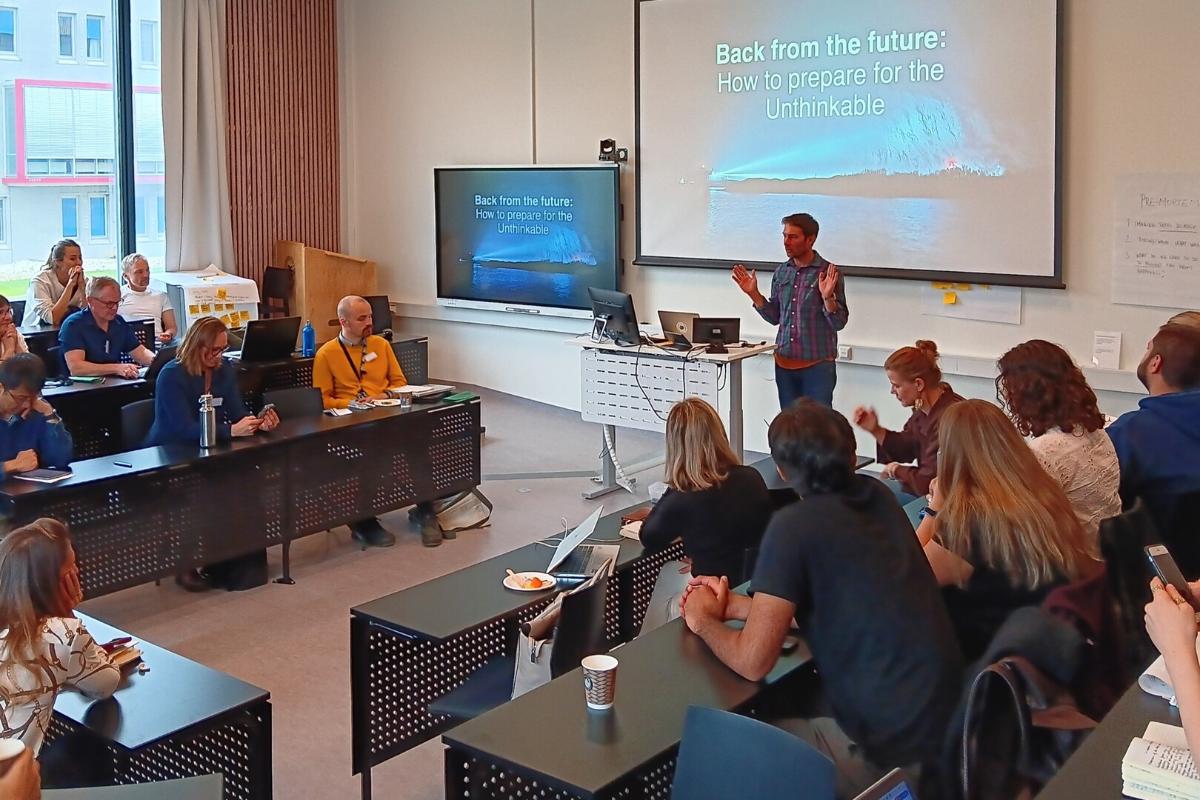

Nature and communities in the North are particularly exposed at a time when geopolitical tensions and climate change create pressure and uncertainty. Are we prepared for what might happen if things go really wrong, if crises or war break out? What can we do to prepare to handle both known and unknown hazards and risks?
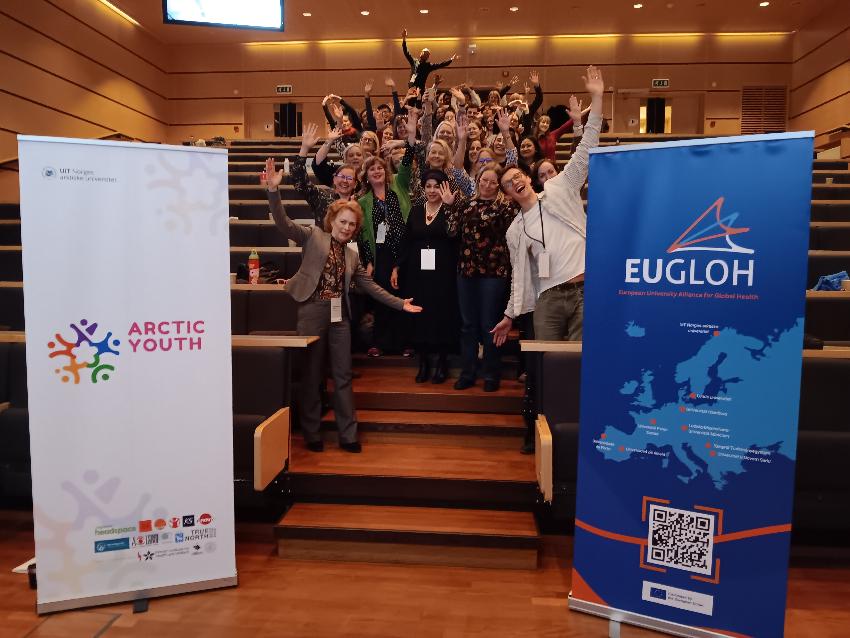
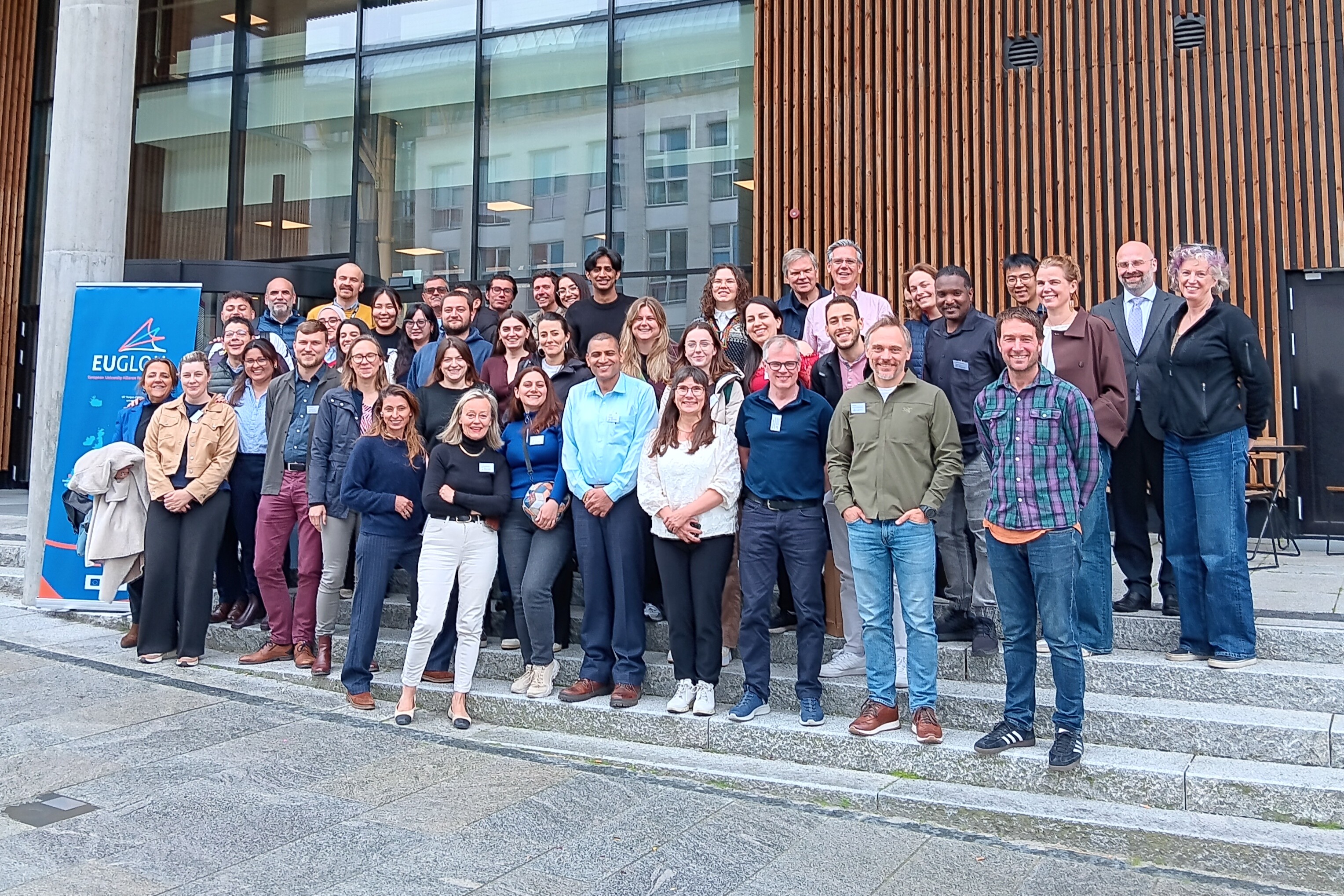
Last week PhD candidates and researchers from partner universities in the EUGLOH alliance met to seek answers to these questions. They took part in a co-creation workshop on resilience and disaster preparedness, organised by the university alliance EUGLOH. The participants explored and mapped security and preparedness challenges related to outer space, the sea, health, energy supply and digital infrastructure.
How to Analyse Backwards
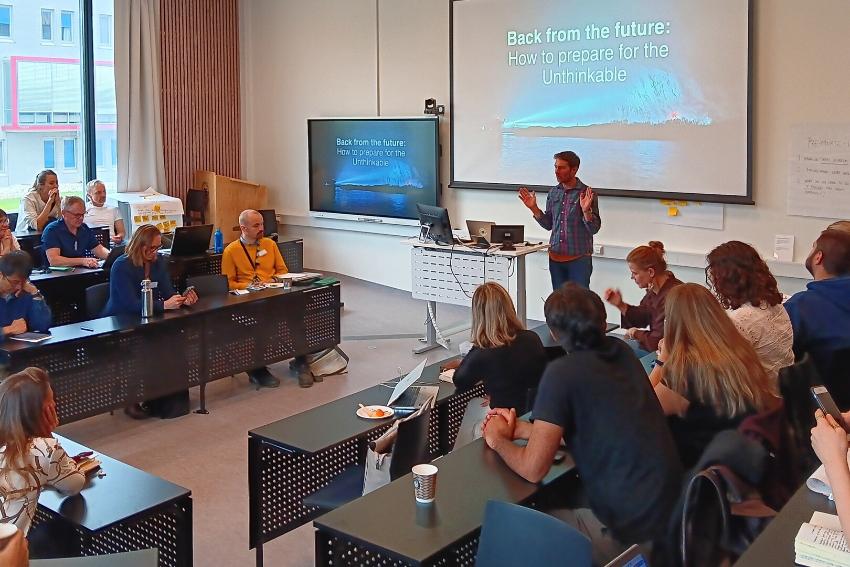
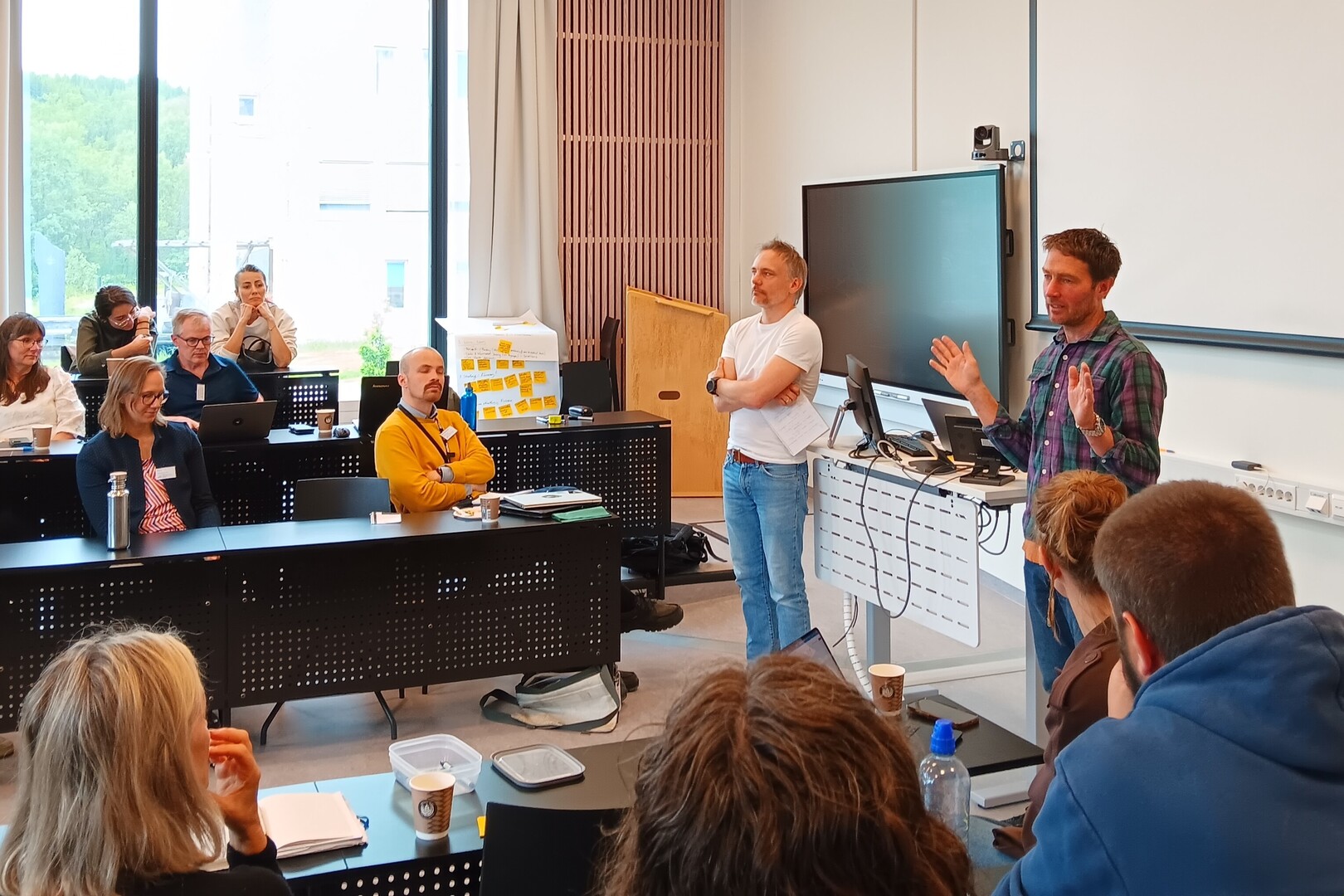
The workshop programme was developed by Audun Hetland, Associate Professor at UiT’s research centre CARE, and Dr Stig Løland at the same centre. They have developed an interdisciplinary workshop concept based on their work on preparedness for landslide accidents. With a nod to the science-fiction film Back to the Future, they challenged participants to answer the following question: How can we prepare for the unthinkable?
“This is not primarily about preventing crises, but about how we can maintain functionality and continue performing tasks when systems are subjected to major strain. Whether the starting point is an invasion or a natural disaster, many of the same challenges arise around coordination, communication, trust and access to resources,” Hetland emphasises.
People have a tendency to assume the future will resemble the past. When systems work well for a long time, we often develop an expectation that they will continue to do so.
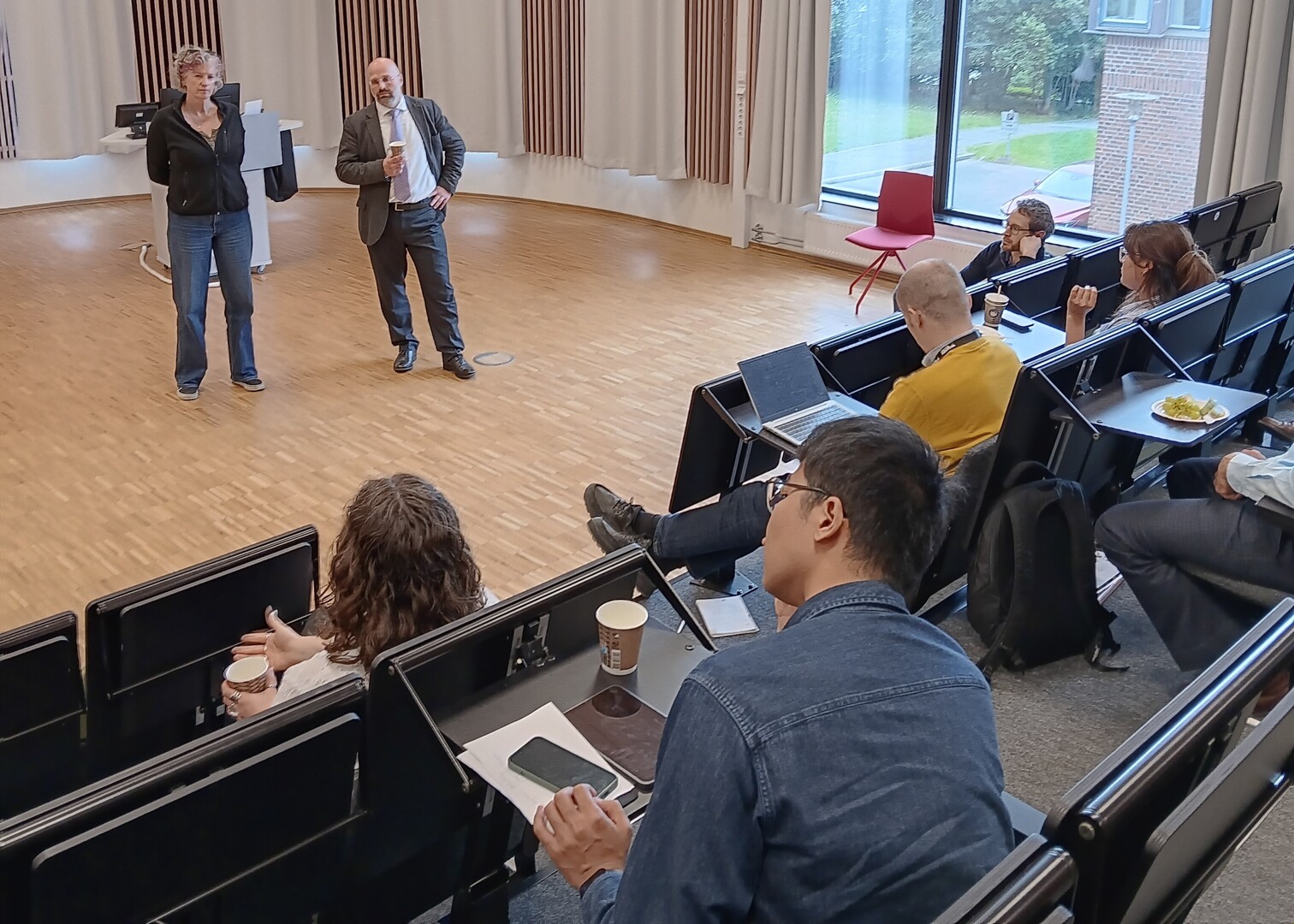
During plenary discussions it was highlighted that experts from a wide range of disciplines must be able to mobilise quickly if multiple crises occur simultaneously.
“Robustness cannot be built in the moment the catastrophe happens. Networks, routines and trust must be established beforehand, and that requires cross-border cooperation,” says Morten Bøhmer Strøm, Vice‑Dean for Research and Innovation at the Faculty of Health Sciences, UiT – The Arctic University of Norway. He led a workshop in which, among other things, they discussed solutions to a scenario in which antibiotic resistance had arisen along a frontline.
Co‑creation Workshop on Resilience and Disaster Preparedness
- The workshop was held on 18–19 June at UiT in Tromsø, organised by the university alliance EUGLOH.
- Participants explored and mapped security and preparedness challenges in Northern Norway and the Arctic.
- The scenarios they worked on concerned outer space, the sea, health, energy supply and digital infrastructure.
- They used the premortem method, developed by psychologist Gary Klein.
- The method involves imagining a hypothetical catastrophe that has already occurred and working on preparedness solutions for it.
- It enables the identification of vulnerabilities that are often overlooked, the causes behind incidents, and the development of strategies for how they can be managed or prevented.
To get closer to plausible solutions, participants used a method in which they imagined that a catastrophe had already occurred.
They reasoned their way to vulnerabilities that are often overlooked, the causes behind the event and how it could be managed or prevented. The participants shared their analyses step by step with other groups, gradually approaching a complete picture, much like assembling a jigsaw. The method is called a premortem and was developed by psychologist Gary Klein. It is now used by both the Norwegian and the US armed forces.
Routine Thinking and Over-Optimism
Hetland believes society is largely shaped by routine thinking and overly optimistic assumptions about our ability to handle crises and disasters. But he underlines that Murphy’s law always looms in the background: “Anything that can go wrong, will go wrong.”
“People have a tendency to assume the future will resemble the past. When systems work well for a long time, we often develop an expectation that they will continue to do so. That is a perfectly normal psychological mechanism, but it can make us less aware of vulnerabilities,” Hetland points out.
He stresses that many people have long taken stable energy supplies, global supply chains and digital services for granted. Only when such systems are challenged do we realise how dependent we are on them.
“The premortem method is interesting precisely because it challenges this optimism. It often opens up different kinds of reflection than traditional planning processes,” Hetland adds.
Complexity Yields Multiple Answers
Cascade effects were a central theme at the workshop. This means problems in one system quickly spread to others, and crises rarely occur in isolation. Modern societies are almost without exception tightly interconnected. One example is that a power outage affects communications systems, health services, transport, payment systems and supply chains.
The workshop leaders pointed to three ways of preparing preparedness: finding technical solutions, updating laws and regulations, or raising public awareness.
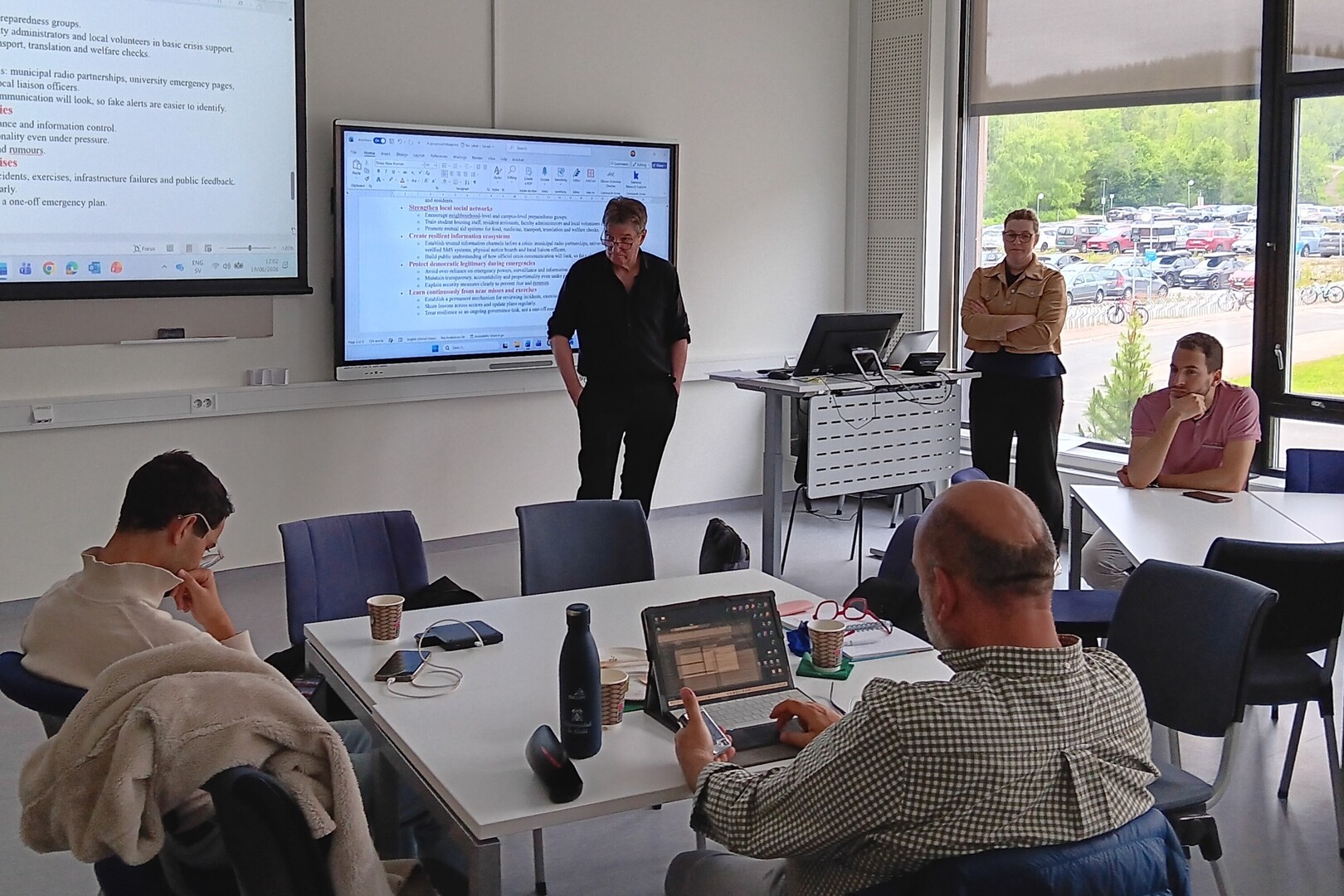
Another challenge for the participants was that many of the problems they discussed do not have a single correct solution.
“Different professional communities often emphasise different considerations. Therefore the aim was not necessarily consensus, but to bring out different perspectives and make trade‑offs visible. There were some questions where groups did not arrive at a single common solution. I do not see that as a problem, but as an expression of the complexity of the issues,” Hetland concludes.
From Hypothetical to Real
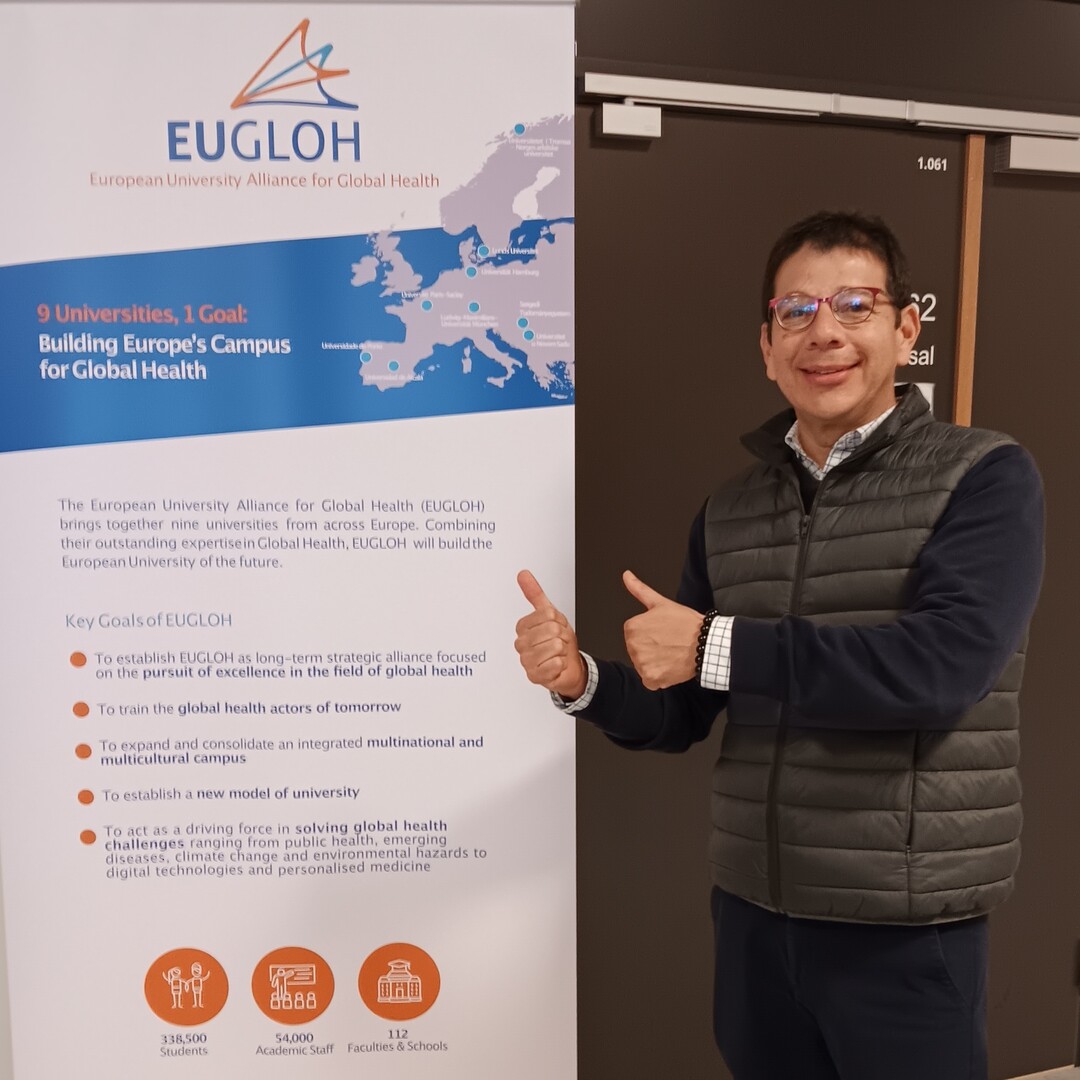
One workshop participant was Oscar Montes Pineda, professor and lecturer at the Department of Economics and Business Administration at the University of Alcalá. Pineda believes the experiences he gained can be transferred to Spanish contexts, where water shortages and power outages are important challenges.
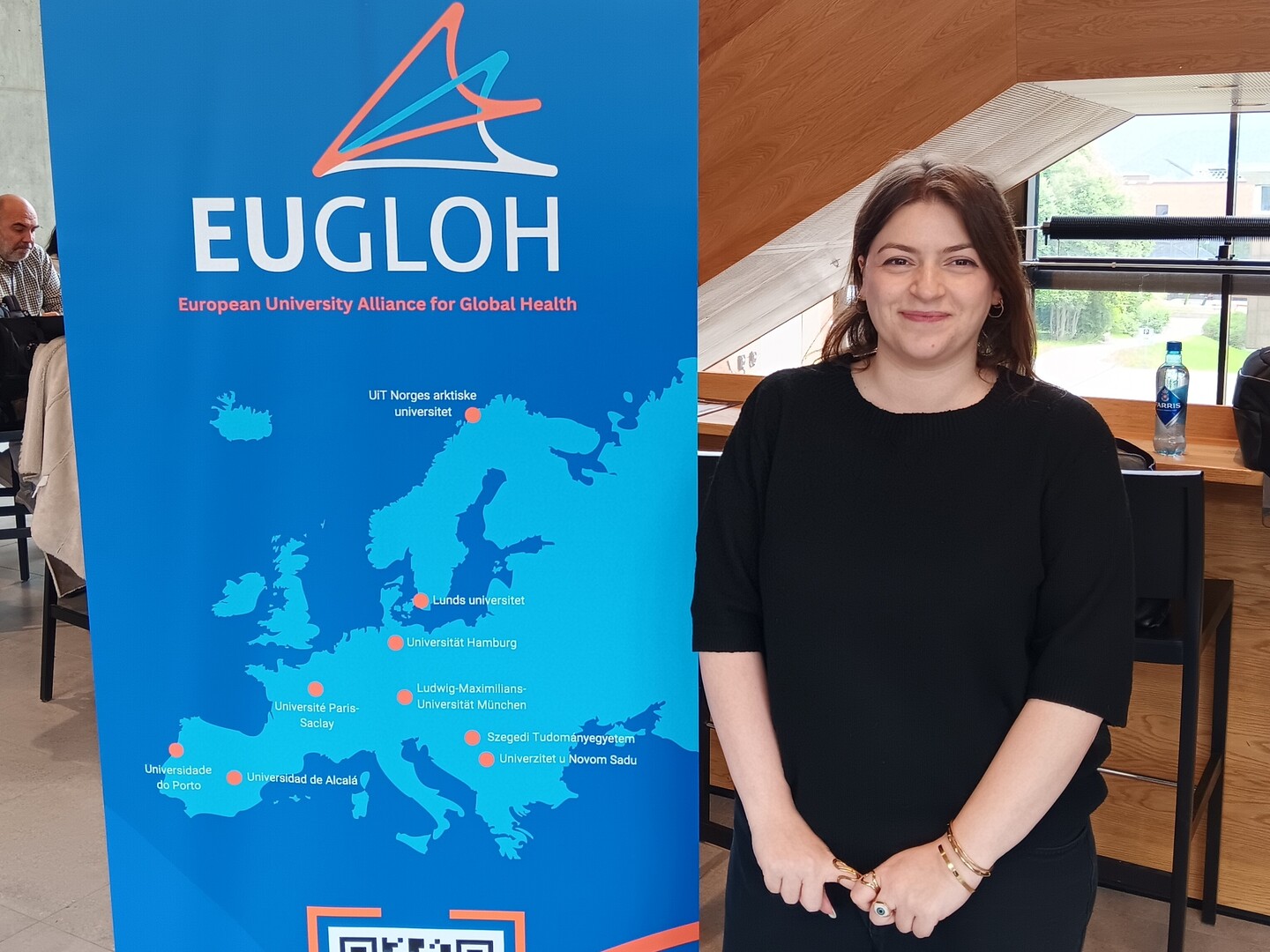
For another participant, Zaruhi Arakelyan, a PhD candidate in public health at the University of Porto, the Nordic perspective was both new and exciting. She pointed out that in Portugal one is not used to thinking of Russia as a neighbour in terms of geopolitical tensions.
“The workshop gave us new perspectives. By taking part in interdisciplinary discussions you have to test your own viewpoints. It is hard to know what you cannot expect. The workshop was organised in a way that helped participants imagine what would happen in the future. The more we discussed, the more real and less hypothetical the scenarios we worked with became,” Arakelyan concludes.
-
Physics - master
Varighet: 2 År -
Public Health - master
Varighet: 2 År -
Medisin profesjonsstudium
Varighet: 6 År -
Nordisk - årsstudium
Varighet: 1 År -
Pedagogikk - bachelor
Varighet: 3 År -
Bioingeniørfag - bachelor
Varighet: 3 År -
Informatikk, sivilingeniør - master
Varighet: 5 År -
Likestilling og kjønn - årsstudium
Varighet: 1 År -
Biomedisin - bachelor
Varighet: 3 År -
Psykologi - bachelor
Varighet: 3 År -
Ergoterapi - bachelor
Varighet: 3 År -
Fysioterapi - bachelor
Varighet: 3 År -
Radiografi - bachelor
Varighet: 3 År -
Samfunnssikkerhet - master
Varighet: 2 År -
Farmasi - bachelor
Varighet: 3 År -
Farmasi - master
Varighet: 2 År -
Romfysikk, sivilingeniør - master
Varighet: 5 År -
Bærekraftig teknologi, ingeniør - bachelor
Varighet: 3 År -
Psykologi - årsstudium
Varighet: 1 År -
Odontologi - master
Varighet: 5 År -
Tannpleie - bachelor
Varighet: 3 År -
Sykepleie - master
Varighet: 2 År -
Barnevern - bachelor
Varighet: 3 År -
Sosialt arbeid - bachelor
Varighet: 3 År -
Idrettsvitenskap - master
Varighet: 2 År -
Sosialt arbeid - master
Varighet: 2 År -
Vernepleie - bachelor
Varighet: 3 År -
Barnevern - bachelor
Varighet: 3 År -
Vernepleie - bachelor
Varighet: 4 År -
Ernæring - bachelor
Varighet: 3 År -
Videreutdanning i krisehåndtering og traumebehandling
Varighet: 1 År -
Videreutdanning om vold i nære relasjoner
Varighet: 1 År -
Videreutdanning i rus og psykisk helse
Varighet: 1 År -
Paramedisin - bachelor
Varighet: 3 År -
Nordisk språk og litteratur - bachelor
Varighet: 3 År -
Fysioterapi - master
Varighet: 3 År -
Aldring og geriatrisk helsearbeid - master
Varighet: 3 År -
Helsefaglig utviklingsarbeid - master
Varighet: 3 År -
Psykisk helsearbeid - master
Varighet: 3 År -
Helsesykepleie - master
Varighet: 3 År -
Jordmorfag - master
Varighet: 2 År -
Environmental Law - master
Varighet: 2 År -
Klinisk ernæring - master
Varighet: 2 År -
Velferdsendring - erfaringsbasert master
Varighet: 4 År -
Ph.d.-utdanning i helsevitenskap
Varighet: 3 År -
PhD Programme in Health Sciences
Varighet: 3 År -
PhD Programme in Science
Varighet: 3 År -
Filosofi - årsstudium
Varighet: 1 År -
Sykepleie - bachelor
Varighet: 3 År -
Psykologi profesjonsstudium
Varighet: 6 År