1.7 million kroner for fertility research
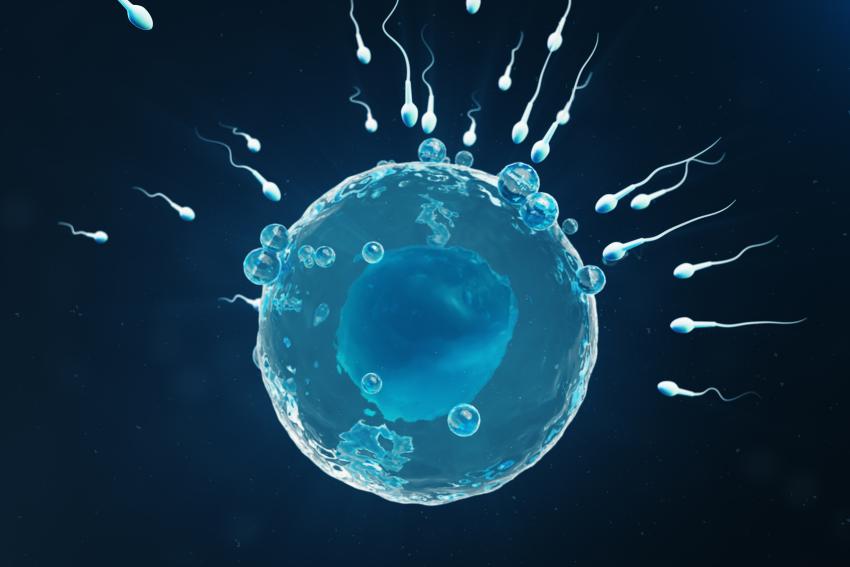
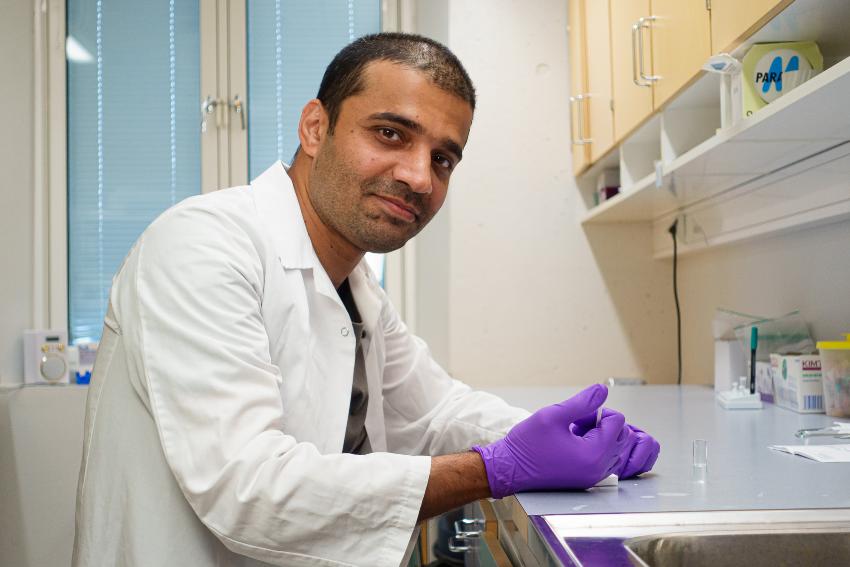
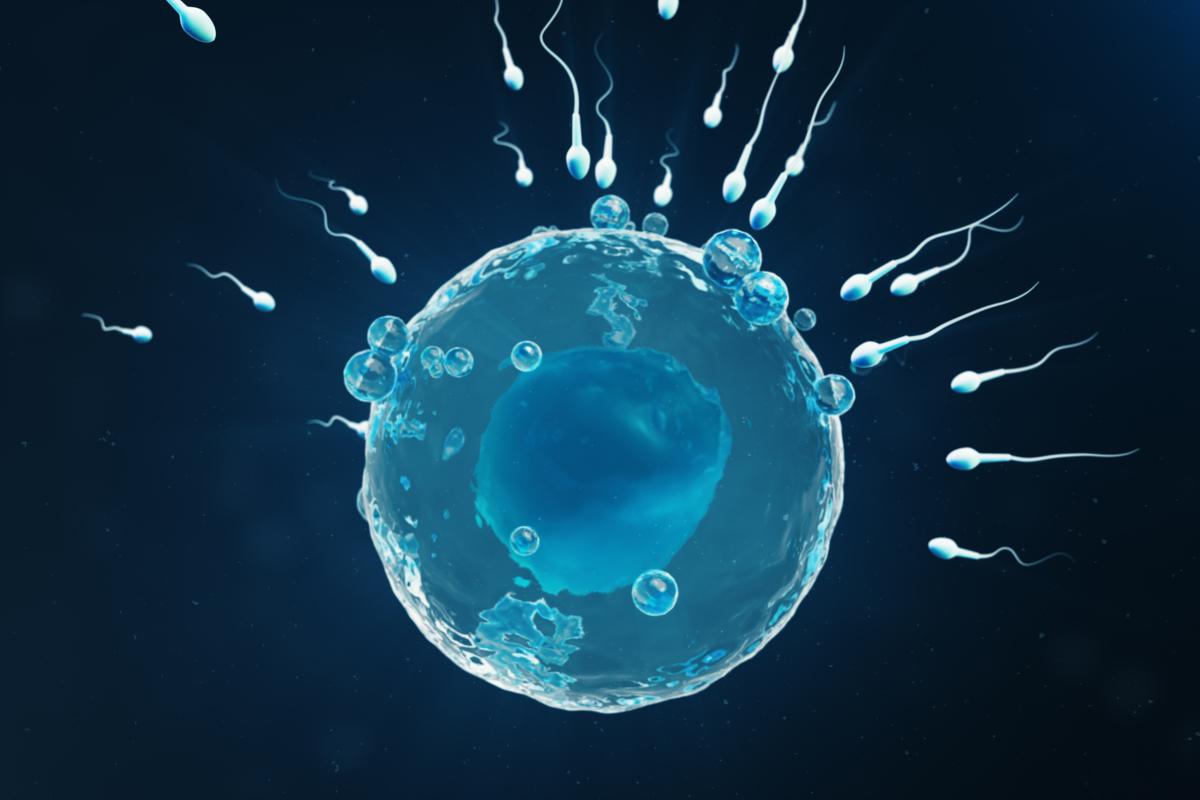
Two researchers at UiT will develop advanced laboratory tools to increase the possibilities for assisted fertilisation. They will, among other things, use AI tools in sperm-cell analyses.

The European Research Council (ERC) has this year awarded new Proof of Concept grants intended to help pioneering research reach early stages of commercialisation.
It was recently announced that the first round of ERC awards, with a total value of €27.3 million, went to 182 researchers from EU countries and other associated states.
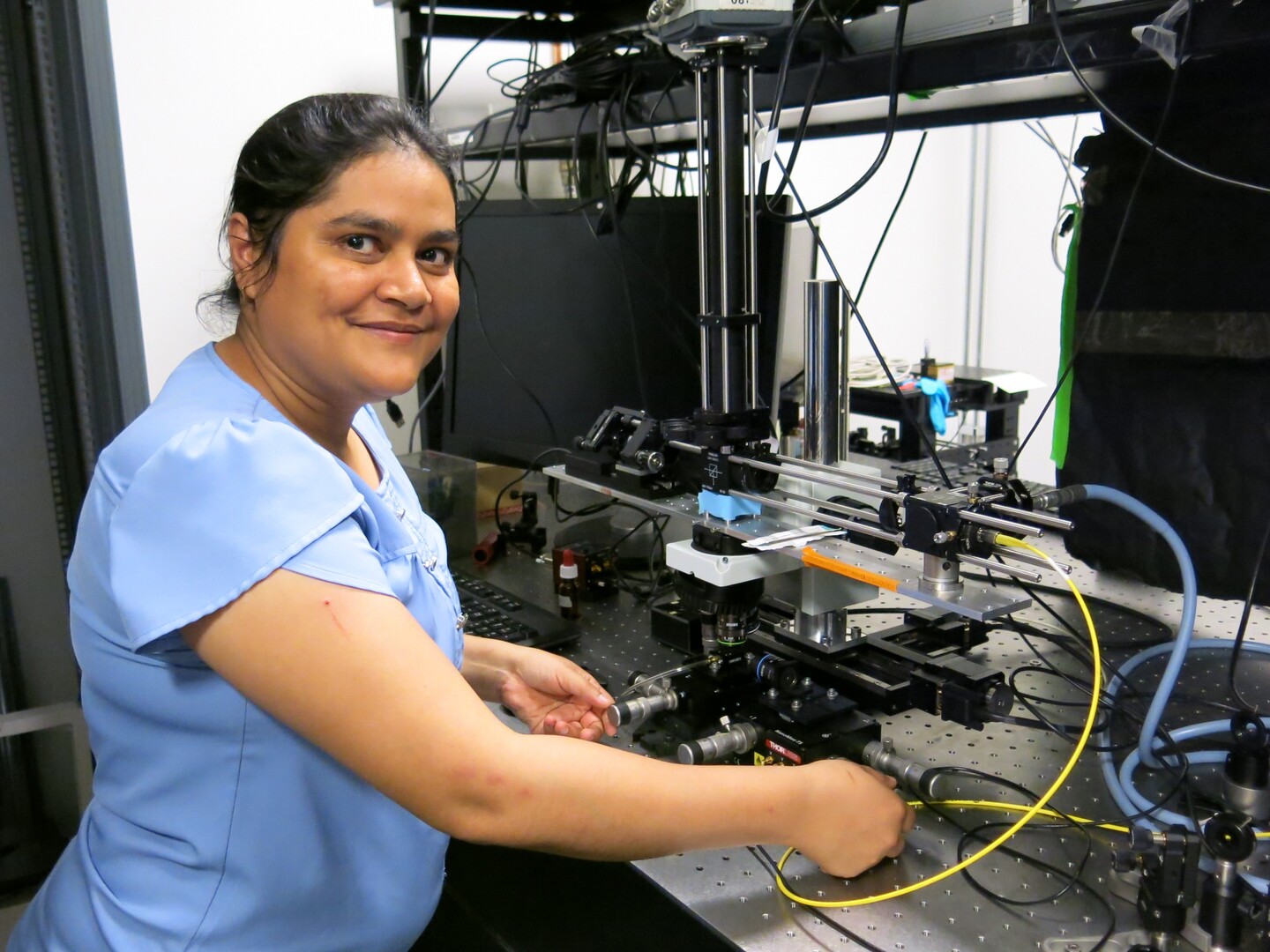
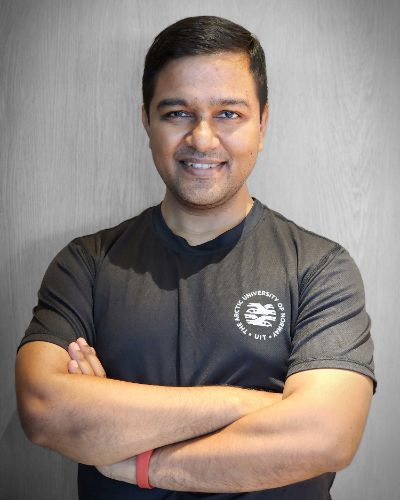
Only one of the awards went to a Norwegian researcher: Krishna Agarwal, Professor at the Department of Physics and Technology at UiT. She has developed the research project StarFreeze together with Dilip K. Prasad, Professor at UiT’s Department of Computer Science. In addition, engineer Joakim Henriksen will later contribute to the project’s operations.
They have received a grant of NOK 1.7 million from the ERC, earmarked for exploring how new research can be commercialised or benefit society.
Agarwal received an ERC Starting Grant in 2018 for studies of cancer cells. In 2023 she and Dilip Prasad received the ERC’s Proof of Concept grant for a project concerning reproduction and sperm cells.
From idea to product
“This grant is extremely important because it enables us to move StarFreeze from a promising research idea towards a practical laboratory product for fertility treatment. We are enthusiastic about the project and its potential to address an important unmet need related to severe male infertility,” says Agarwal.
Both Agarwal and Prasad believe StarFreeze has significant commercial potential and could be adopted in laboratories specialising in in vitro fertilisation (IVF) and andrology, the field concerned with men’s reproduction and diseases affecting men.
StarFreeze is designed to help identify and select usable sperm in semen samples where motility is very poor or apparently absent. The procedure makes use, among other things, of computational techniques and AI-assisted analysis.
ERC’s Proof of Concept Grant
- Grants that help pioneering research reach early stages of commercialisation.
- Awarded in two rounds, with a total budget of €60 million.
- UiT researcher Krishna Agarwal, Professor at the Department of Physics and Technology at UiT, was awarded €150,000 in 2026 in the first round.
- She developed the StarFreeze research project together with Dilip K. Prasad at UiT’s Department of Computer Science.
- The two researchers have developed technology that could help men with low fertility.
Bringing technology to patients
For the two researchers, the grant is important for achieving the goal of applying interdisciplinary innovation to solve a real clinical challenge.
“It will help us to develop and refine the concept, work more closely with clinical partners and take an important step towards bringing the technology closer to patients and IVF clinics,” emphasises Agarwal.
The researchers aim to develop StarFreeze into a scalable laboratory product that can be integrated into laboratory workflows and used in complex sperm-selection procedures. Norinnova is a project partner, in addition to the University Hospital of North Norway (UNN), which is the project’s clinical partner.
This grant is extremely important because it enables us to move StarFreeze from a promising research idea towards a practical laboratory product for fertility treatment.
After the proof-of-concept phase they plan to explore further collaboration with fertility clinics in Norway and internationally, including potential clinical partners in the United Arab Emirates and India.
Cultural and religious considerations
Agarwal and Prasad believe the technology can benefit society where sperm donation is not an acceptable alternative for religious, cultural or legal reasons.
“For example, third‑party sperm donation is generally not accepted in Islamic bioethics, in some Orthodox Jewish interpretations and in Catholic teaching. In such contexts it can be extremely valuable for affected couples to make better use of the man’s own sperm,” says Prasad.
A great inspiration
According to Jørgen Berge, Pro‑Rector for Research and Innovation at UiT, Agarwal and Prasad have helped put UiT on the map at the intersection of optical technology and biological and medical research.
“Agarwal and Prasad are completely unique and have succeeded in creating an environment around them that really focuses on innovation. What they have built in recent years is simply impressive, and we now have clear evidence of that through this award. We need more researchers like them, and I know they are a great inspiration to many others,” concludes Berge.
-
Fiskeri- og havbruksvitenskap - bachelor
Varighet: 3 År -
Fiskeri- og havbruksvitenskap - master
Varighet: 2 År -
Akvamedisin - master
Varighet: 5 År -
Bioteknologi - bachelor
Varighet: 3 År -
Arkeologi - master
Varighet: 2 År -
Geosciences - master
Varighet: 2 År -
Biology - master
Varighet: 2 År -
Physics - master
Varighet: 2 År -
Mathematical Sciences - master
Varighet: 2 År -
Biomedicine - master
Varighet: 2 År -
Computational chemistry - master
Varighet: 2 År -
Biologi - bachelor
Varighet: 3 År -
Medisin profesjonsstudium
Varighet: 6 År -
Luftfartsfag - bachelor
Varighet: 3 År -
Informatikk, datamaskinsystemer - bachelor
Varighet: 3 År -
Informatikk, sivilingeniør - master
Varighet: 5 År -
Geovitenskap- bachelor
Varighet: 3 År -
Biomedisin - bachelor
Varighet: 3 År -
Matematikk - årsstudium
Varighet: 1 År -
Ergoterapi - bachelor
Varighet: 3 År -
Fysioterapi - bachelor
Varighet: 3 År -
Radiografi - bachelor
Varighet: 3 År -
Farmasi - bachelor
Varighet: 3 År -
Farmasi - master
Varighet: 2 År -
Romfysikk, sivilingeniør - master
Varighet: 5 År -
Bærekraftig teknologi, ingeniør - bachelor
Varighet: 3 År -
Odontologi - master
Varighet: 5 År -
Anvendt fysikk og matematikk, sivilingeniør - master
Varighet: 5 År -
Praktisk-pedagogisk utdanning for trinn 8-13 - årsstudium
Varighet: 2 År -
Internasjonal beredskap - bachelor
Varighet: 3 År -
Ernæring - bachelor
Varighet: 3 År -
Ph.d.-program i naturvitenskap
Varighet: 3 År -
PhD Programme in Natural Science
Varighet: 3 År -
PhD Programme in Science
Varighet: 3 År -
Lektor i realfag trinn 8-13 - master
Varighet: 5 År -
Kunstig intelligens, sivilingeniør - master
Varighet: 5 År -
Fysikk og matematikk - bachelor
Varighet: 3 År -
Nautikk - bachelor
Varighet: 3 År -
Medisin profesjonsstudium - forskerlinje
Varighet: 7 År -
Havteknologi, ingeniør - bachelor (ordinær, y-vei)
Varighet: 3 År -
Informatikk, datafag - bachelor
Varighet: 3 År -
Computer Science - master
Varighet: 4 År -
Fornybar energi, sivilingeniør - master
Varighet: 5 År -
Bærekraftig kjemi og innovasjon, sivilingeniør - master
Varighet: 5 År -
Marine Biotechnology and Biological Chemistry - master
Varighet: 2 År -
Musikkteknologi
Varighet: 1 År -
Computer Science - master
Varighet: 2 År -
Technology and Safety - master
Varighet: 2 År -
Arkeologi - bachelor
Varighet: 3 År -
Samfunnssikkerhet - bachelor
Varighet: 3 År