UiT welcomes continued funding for EUGLOH
UiT is extending its collaboration with partner universities in EUGLOH by two years. This could create new opportunities for future generations in Northern Norway.
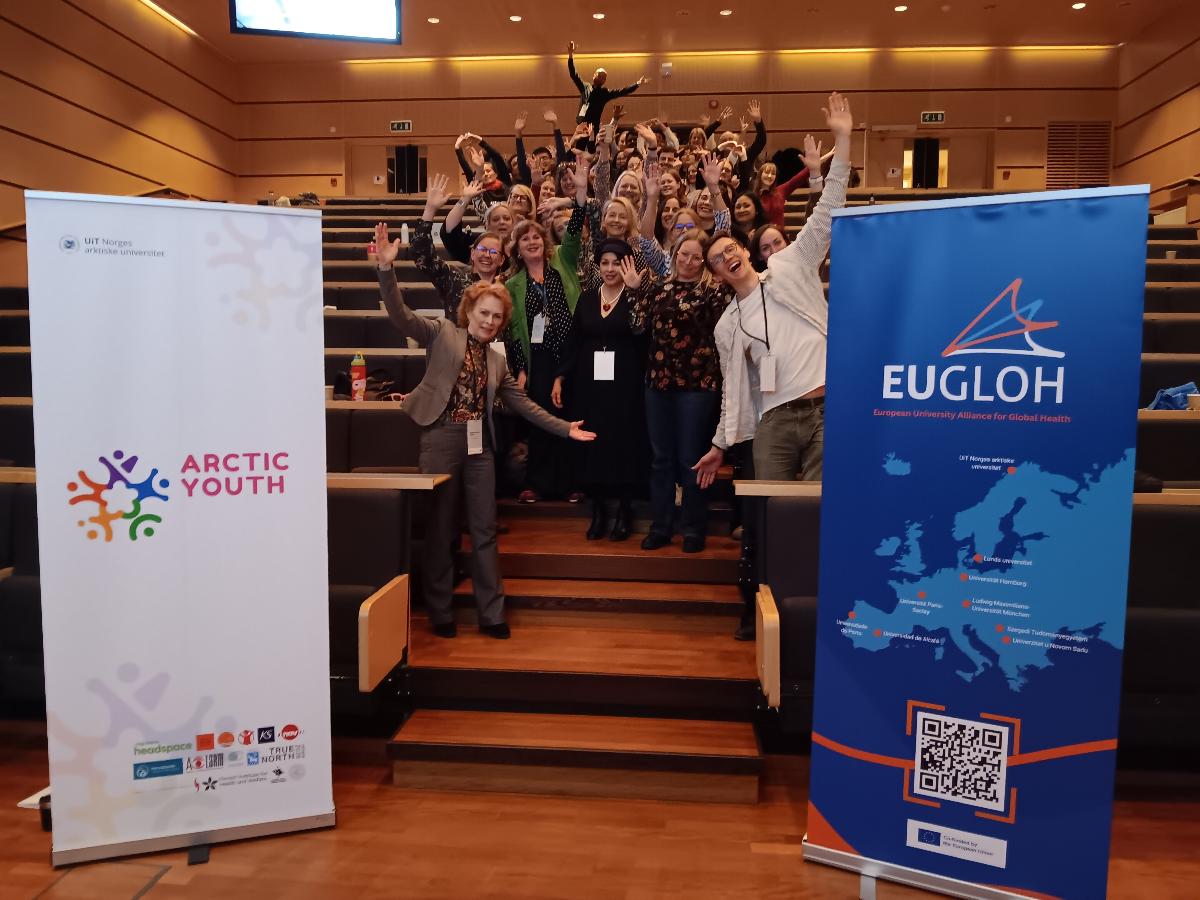

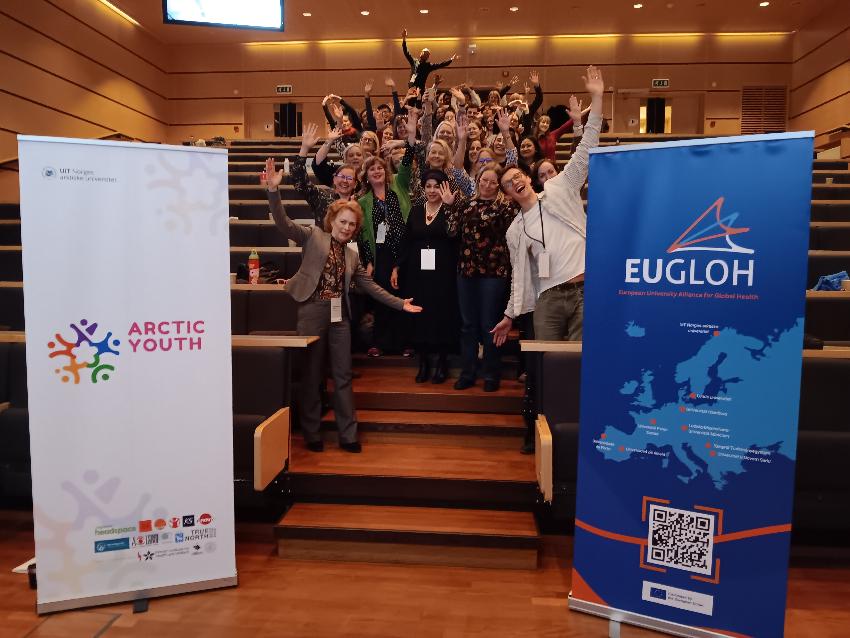
The European Commission has announced that the European University Alliance for Global Health (EUGLOH) has received continued funding under the European Universities Initiative (EUI) for the extension period 2027–2028 (ERASMUS-EDU-2026-EUR-UNIV).
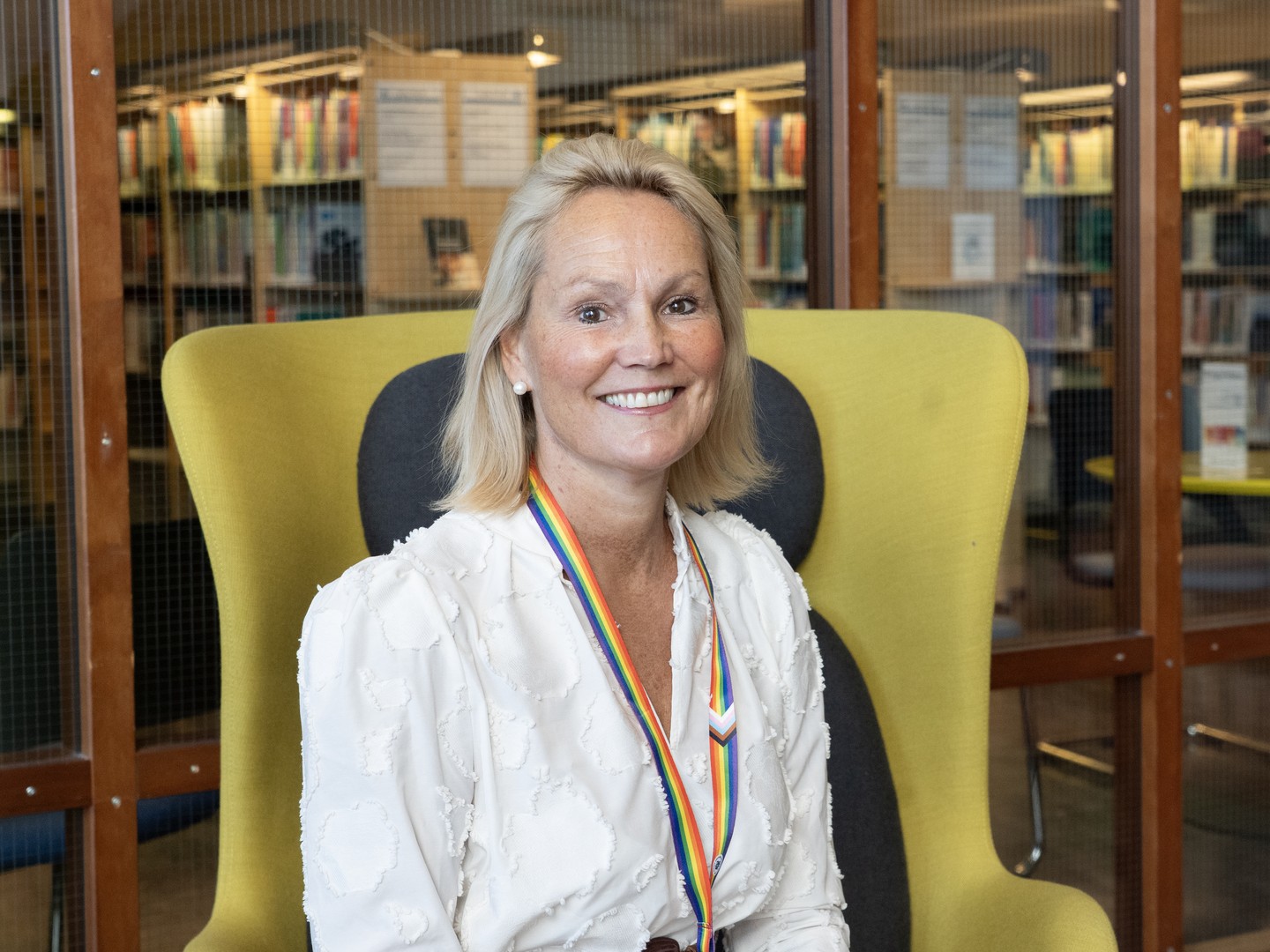
“As a proud member of the EUGLOH alliance, UiT – The Arctic University of Norway welcomes this positive outcome,” says Rikke Gürgens Gjærum, Prorector for Education at UiT.
She emphasises that this gives the alliance the opportunity to continue to strengthen cooperation in education, research, innovation and community service across Europe.
Delivering the societal mission
Since 2023 UiT has been building bridges to European partner universities through EUGLOH. Throughout, UiT has worked with partners in Northern Norway such as Arctic Frontiers, Helse Nord, Troms County Council and Tromsø Municipality.
According to Gjærum, UiT’s participation in EUGLOH creates new opportunities to deliver UiT’s primary societal mission, which is to help advance Northern Norway as a region.
She notes that there is academic and political interest in Europe in learning more about social development in the North.
The future and young people
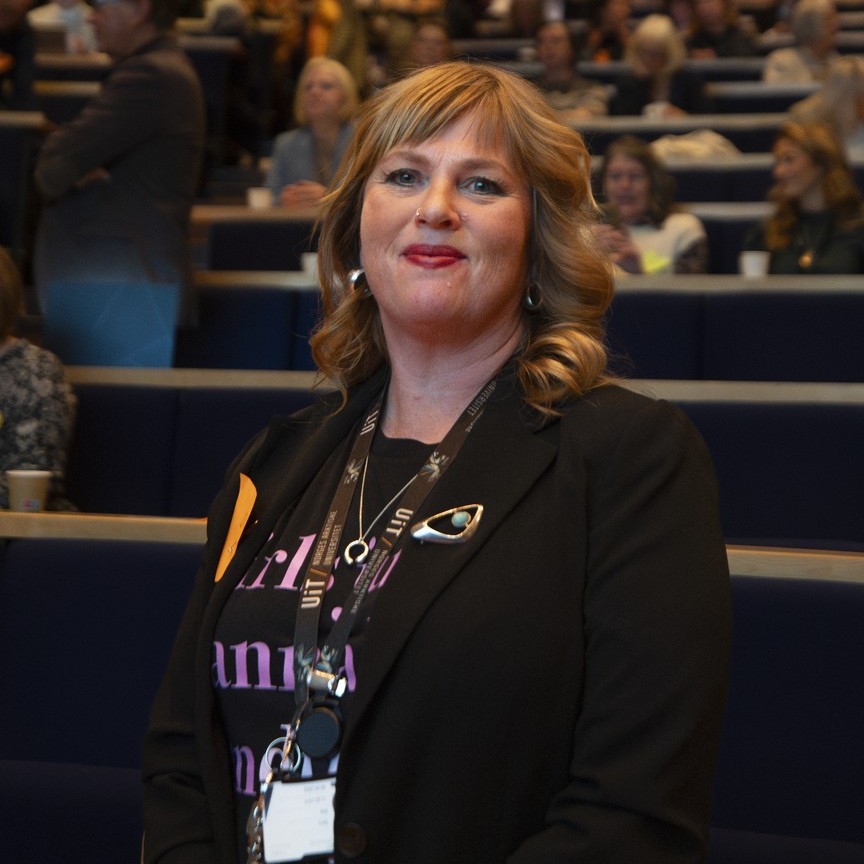
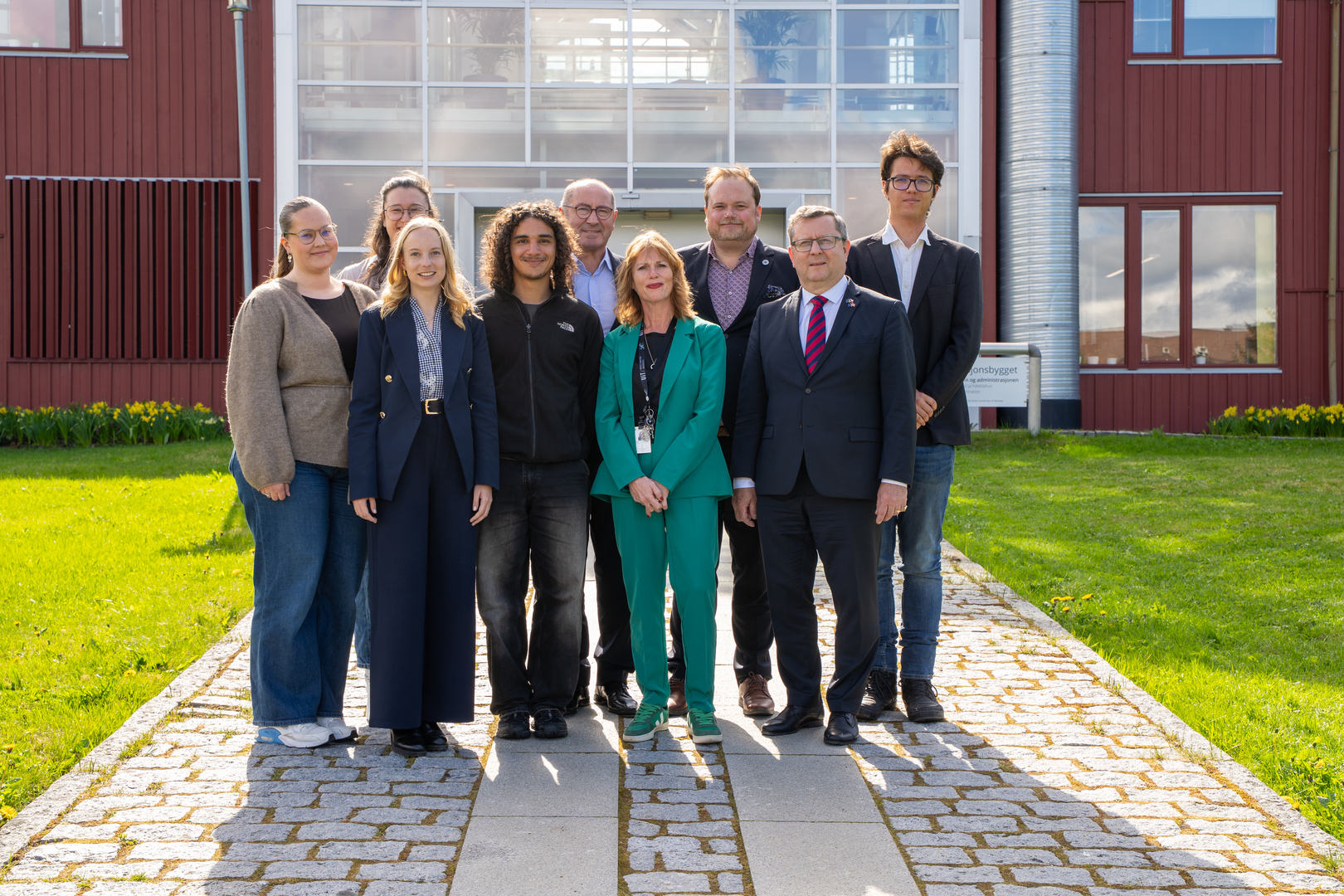
“Our cooperation with EUGLOH led to the EU delegation visit in May, which we in the research community found particularly inspiring and impactful,” says Rita Sørly, Professor at the Department of Child Welfare and Social Work and Head of the Arctic Youth Research Centre.
The Arctic Youth Research Centre has collaborated with the EUGLOH alliance from the start, and according to Sørly this has produced concrete results at national and international levels. These include True North’s work to promote Tromsø as European Youth Capital in 2026, more practice placements, collaboration with municipalities, and dialogue and cooperation with numerous European researchers and students.
Sørly believes that cooperation with European universities in the EUGLOH alliance strengthens knowledge building about living conditions and future prospects for young people in Northern Norway.
“Through EUGLOH we gain access to interdisciplinary expertise, mobility schemes and funding channels that promote mutual learning and practice‑oriented research collaboration,” Sørly concludes.
Facts about EUGLOH
- UiT is one of nine members of the European University Alliance for Global Health (EUGLOH).
- Since 2020 the alliance has aimed to create a shared European campus, with global health as a key foundation for education, research and innovation.
- Together the nine universities have established a common platform for short‑term student exchanges and for funding academic collaboration among staff.
- In total, 338,500 students, 54,000 academics and 112 faculties and schools are affiliated with the alliance.
Knowledge‑based societal development
Research‑based knowledge from the Arctic can be of great value to European partners. UiT contributes in areas such as sustainable management of natural resources, marine and climate research, and solutions for public health and preparedness in a time of geopolitical tensions.
“For our staff, EUGLOH provides access to even more bright minds and outstanding collaborative partners who are driving the research frontier forward. That is good news for the whole of Northern Norway, because we are committed to knowledge‑based societal development – and we must remember that global health, which the EUGLOH alliance is about, knows no national borders. We all saw that during the pandemic,” Gjærum emphasises.
Sought-after skills
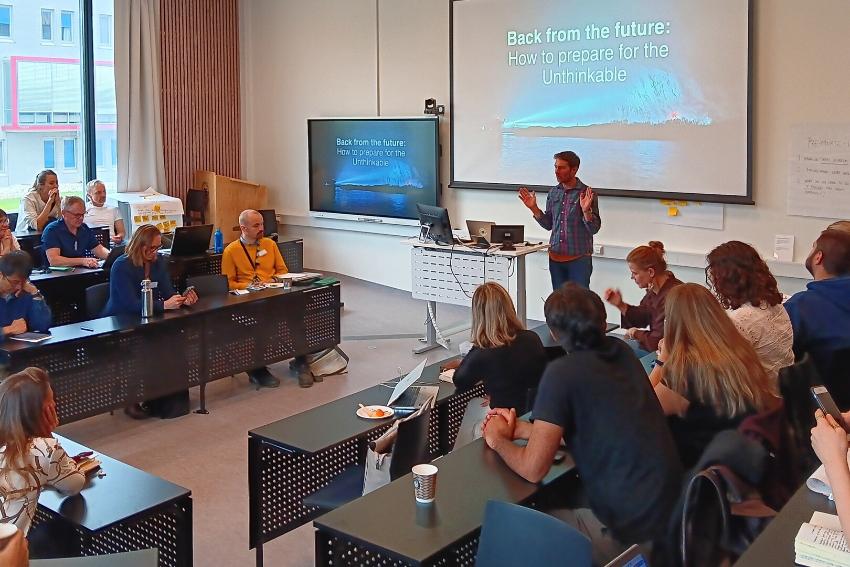
Over the past three years UiT has also organised a number of courses, workshops and conferences in collaboration with European partners. Topics covered in these activities have included sustainability in the construction industry, social work in the Arctic and Europe, new approaches to teaching and pedagogy, and simulations of societal preparedness.
“Through exchanges and joint projects with European partners it is possible to develop new solutions for dealing with future challenges. Students can also develop communication and collaboration skills across cultures. This is a sought‑after skillset in the labour market, which can help counter unemployment and encourage people to settle in Northern Norway,” Gjærum adds.
For her, the collaboration with EUGLOH is an opportunity to equip staff and students for an uncertain future. “That is why European academic cooperation is more important than ever,” she concludes.
A new phase for the alliance
The EUGLOH project is entering a new phase, called EUGLOH 2Plus. This involves greater focus on deepening institutional cooperation, developing a truly transnational European campus and preparing forward‑looking professionals to meet global health challenges through interdisciplinary collaboration. This phase will also mark the University of Amsterdam’s official accession as EUGLOH’s tenth member university.
Over the next two years UiT – The Arctic University of Norway will continue to contribute to joint educational programmes, research collaboration, staff development, mobility and innovative initiatives that benefit students, researchers, academics and administrative staff.
In this new phase UiT will commit to strengthening its European cooperation and to working with EUGLOH partners to address global challenges through excellence in higher education, research and innovation.
-
Fiskeri- og havbruksvitenskap - bachelor
Varighet: 3 År -
Fiskeri- og havbruksvitenskap - master
Varighet: 2 År -
Visual and Multimodal Anthropology - Master
Varighet: 2 År -
Arkeologi - master
Varighet: 2 År -
Peace and Conflict Transformation - master
Varighet: 2 År -
Indigenous Studies - master
Varighet: 2 År -
Technology and Safety - master
Varighet: 2 År -
Public Health - master
Varighet: 2 År -
Medisin profesjonsstudium
Varighet: 6 År -
Sosiologi - master
Varighet: 2 År -
Nordisk - årsstudium
Varighet: 1 År -
Strategisk ledelse og økonomi - erfaringsbasert master
Varighet: 5 Semestre -
Engelsk - årsstudium
Varighet: 1 År -
Samfunnsplanlegging - bachelor
Varighet: 3 År -
Pedagogikk - bachelor
Varighet: 3 År -
Sosiologi - bachelor
Varighet: 3 År -
Arkeologi - bachelor
Varighet: 3 År -
Bioingeniørfag - bachelor
Varighet: 3 År -
Spansk - årsstudium
Varighet: 1 År -
Statsvitenskap - bachelor
Varighet: 3 År -
Pedagogikk - master
Varighet: 2 År -
Informatikk, sivilingeniør - master
Varighet: 5 År -
Likestilling og kjønn - årsstudium
Varighet: 1 År -
Biomedisin - bachelor
Varighet: 3 År -
Samfunnsplanlegging - master
Varighet: 2 År -
Økonomi og administrasjon - bachelor
Varighet: 3 År -
Psykologi - bachelor
Varighet: 3 År -
Samfunnssikkerhet - bachelor
Varighet: 3 År -
Økonomi og administrasjon, siviløkonom - master
Varighet: 2 År -
Ledelse, innovasjon og marked - bachelor
Varighet: 3 År -
Ergoterapi - bachelor
Varighet: 3 År -
Fysioterapi - bachelor
Varighet: 3 År -
Radiografi - bachelor
Varighet: 3 År -
Grunnskolelærerutdanning for 1.-7. trinn - master
Varighet: 5 År -
Grunnskolelærerutdanning for 5.-10. trinn - master
Varighet: 5 År -
Samfunnssikkerhet - master
Varighet: 2 År -
Kunst - bachelor
Varighet: 3 År -
Kunsthistorie - master
Varighet: 2 År -
Musikkutøving - bachelor
Varighet: 4 År -
Farmasi - bachelor
Varighet: 3 År -
Farmasi - master
Varighet: 2 År -
Religionsvitenskap - årsstudium
Varighet: 1 År -
Russisk - årsstudium
Varighet: 1 År -
Samfunnsøkonomi med datavitenskap - bachelor
Varighet: 3 År -
Sosialantropologi - bachelor
Varighet: 3 År -
Organisasjonsdesign og ledelse - master
Varighet: 2 År -
Psykologi - årsstudium
Varighet: 1 År -
Statsvitenskap - master
Varighet: 2 År -
Historie - master
Varighet: 2 År -
Kunsthistorie - bachelor
Varighet: 3 År