Seeks to strengthen research networks among Arctic neighbouring countries
Three new Chairs in the university alliance The Arctic Six are from UiT. They want to promote more interdisciplinary Arctic research in Norway, Sweden and Finland on total defence, sustainable infrastructure and biodiversity.
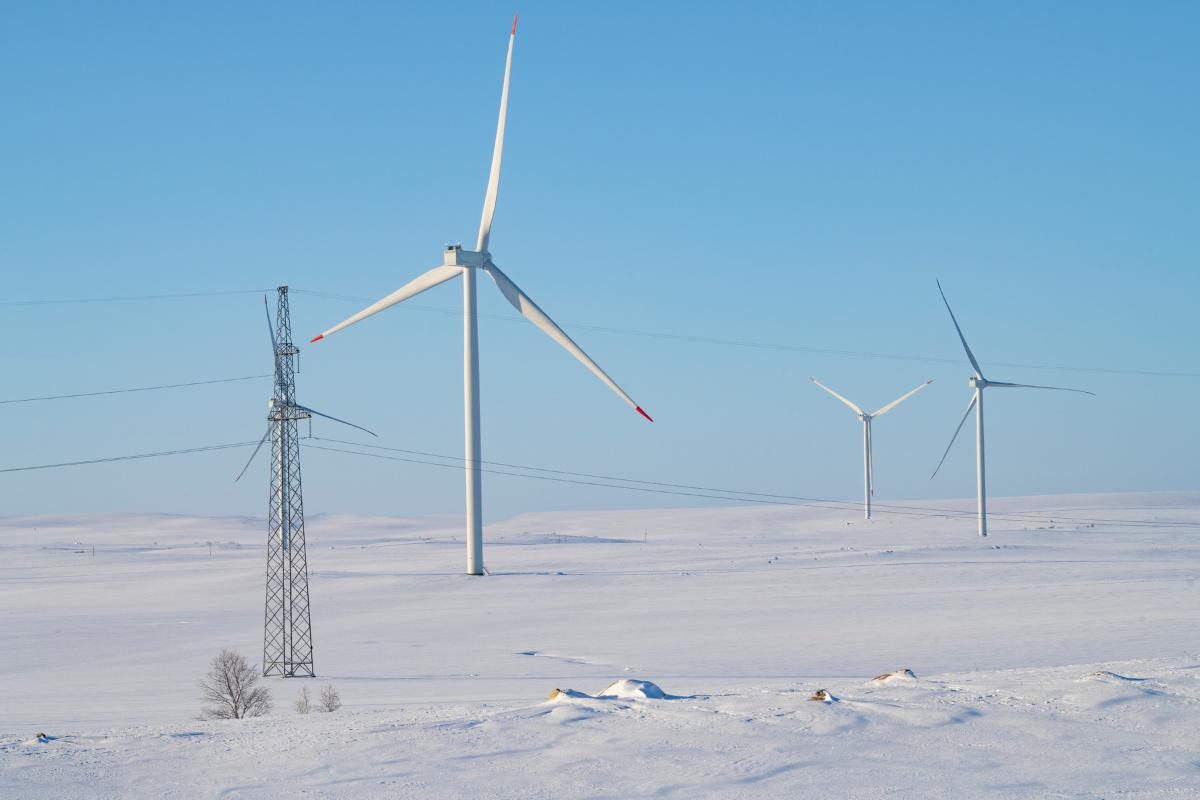

Addressing societal challenges with research-based knowledge is central to the university alliance The Arctic Six. Researchers at six Arctic partner universities work closely with local communities, businesses, industry and the public sector in this area.
Those who lead efforts to find new approaches to such interdisciplinary research and innovation networks or clusters are known as Chairs, and are appointed by The Arctic Six for two-year terms. Chairs also work closely with Fellows, who are early-career researchers appointed by The Arctic Six.
This year, The Arctic Six has appointed 20 new Chairs for the 2027–2028 period. Among those appointed are two professors and one researcher from UiT. The three work in very different fields: security policy, evolutionary biology and engineering.
Resilient societies
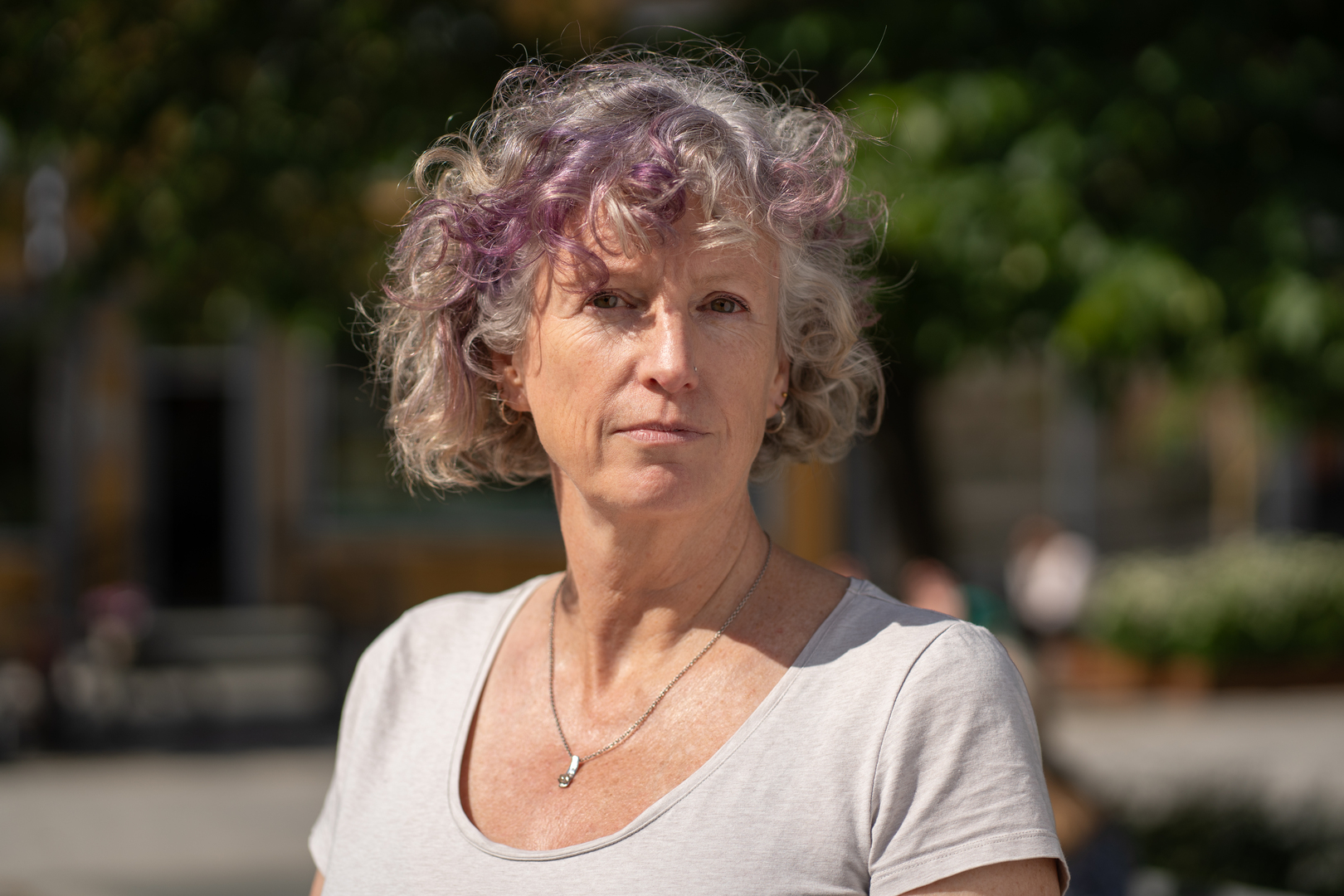
One of the newly appointed Chairs is Gunhild Hoogensen Gjørv, Professor at UiT’s Centre for Geopolitics, Peace and Security. She leads the research group The Grey Zone and do research on the use of combined instruments in warfare, also known as hybrid threats and hybrid warfare.
Gjørv has also led the FAKENEWS research project, which examined how Arctic communities in Norway and Sweden respond to disinformation when exposed to war and crises.
Awakening from dormancy
The Nordic countries have very different starting points when it comes to building societies capable of withstanding different forms of threat. According to Gjørv, Finland has long been much stronger in the areas of total defence and preparedness, as the country has very different experiences of, and perspectives on, Russia’s security policy.
However, she points out that both Norway and Sweden changed course in 2014 and have sharpened their focus on a new geopolitical threat landscape.
“We are late to the table, but it is good that we are once again aware of this need. We do not have a sufficient understanding of the tactics and methods used to weaken our ability to respond to or resist future aggression,” Gjørv states.
The role of Chairs in The Arctic Six
- Researchers from six partner universities who are appointed every two years.
- For the 2027–2028 period, 20 new Chairs were appointed, three of whom are from UiT.
- They lead efforts to find new avenues for research and innovation collaboration within the university alliance.
- Chairs can help establish new research projects or strengthen existing research networks and innovation clusters.
- They work closely with Fellows, who are early-career researchers appointed by the alliance.
Civil society becomes the main target
She points out that asymmetric measures are not necessarily perceived as part of the military domain and are therefore not considered a threat to society. These may include sabotage of critical infrastructure, the use of drones, and influence operations and campaigns by intelligence officers from other countries and illegal agents.
“Taken together, this can constitute a significant threat to society. We need to be clearer that civil society is both a primary target and a key actor and counterpart in relation to this type of activity. Cooperation across Nordic civil societies is crucial to credible and operational resilience,” Gjørv stresses.
UiT Chairs in The Arctic Six seek to strengthen research in these areas
- How we can build a resilient society in the face of security threats.
- How new engineering technologies and methods can create a more sustainable society.
- Why we need new knowledge about species invading Arctic ecosystems.
Technological threats
Gjørv wants to strengthen research into how highly digitalised societies in the Nordic Arctic can use technology intelligently, both today and in the future. This means becoming aware of how technology is used to undermine fundamental values, institutions and infrastructure in Nordic societies.
“Technology is crucial for mapping both environmental and societal changes taking place in the Arctic. Arctic societies across the Nordic countries have an opportunity to contribute to a better understanding of the changes and potential threats we face,” she says.
Climate change and new species
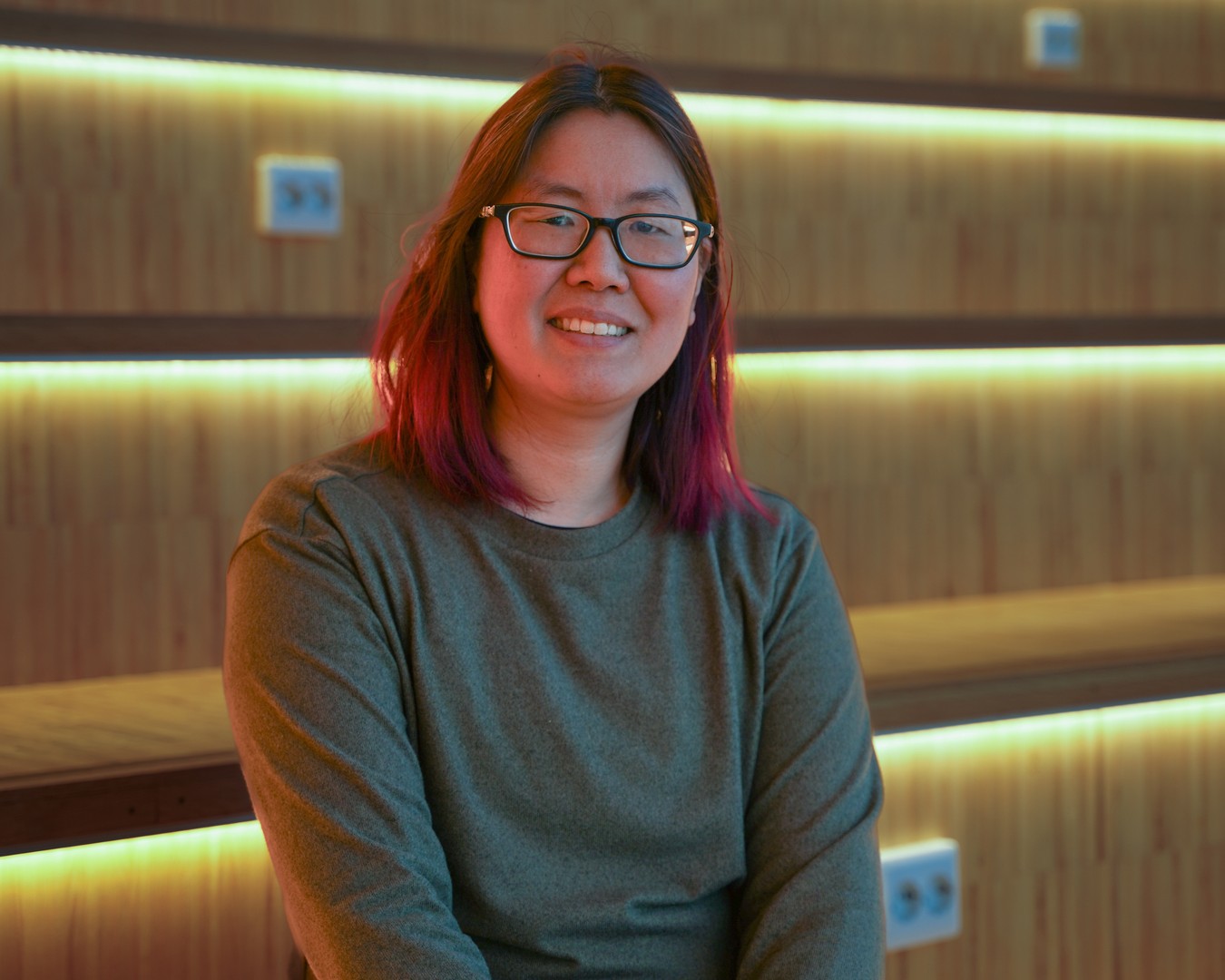
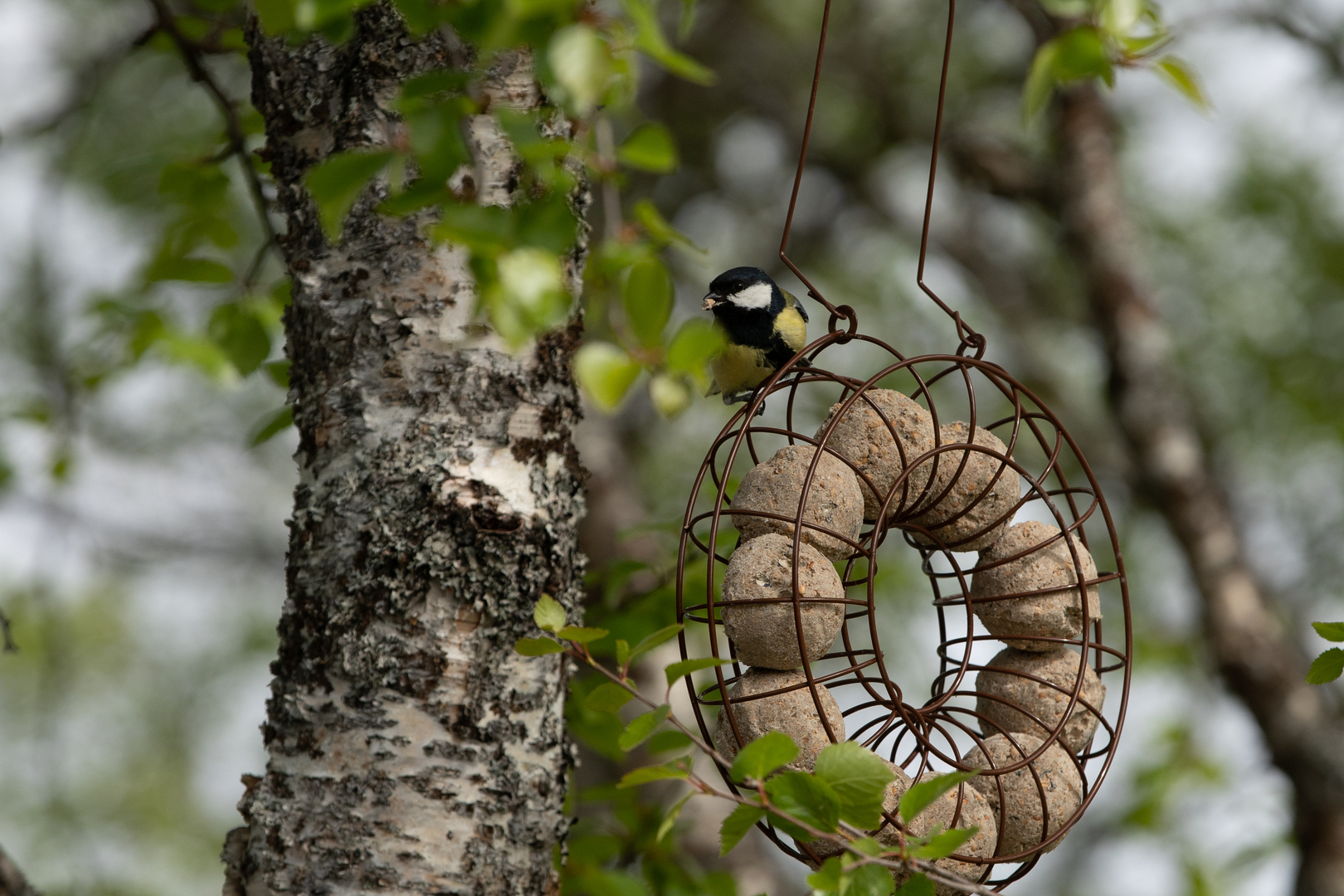
Another newly appointed Chair from UiT is Barbara Mizumo Tomotani, a biologist and researcher at the Department of Arctic and Marine Biology. Tomotani researches evolution in animal species, both in the laboratory and in the field, studying how great tits (Parus major) and copse snails (Arianta arbustorum) have established themselves in the Arctic.
These species adapt to both the extreme winter darkness and the midnight sun. Their adaptation is linked to circadian rhythms, annual rhythms, behavioural flexibility, personality traits, cognition, and morphological and physical characteristics.
Seeking a broader picture
Tomotani believes that we still know surprisingly little about changes in biodiversity and how species adapt to such changes.
“This also applies to common species such as the great tit. Although it is widespread and well studied throughout Europe, Arctic populations are still underrepresented. As a result, we lack important pieces of the puzzle regarding how species respond to climate change in the regions where warming is occurring most rapidly,” Tomotani emphasises.
“By comparing populations in the northern areas of Norway, Sweden and Finland, we can better understand which species are adapting, which are struggling, and how Arctic ecosystems are likely to change in the future,” she notes.
Can improve forecasts
Tomotani sees benefits in facilitating interdisciplinary collaboration between climate researchers and evolutionary biologists, which could shed new light on behaviour, physiology and genetics.
“This could improve biodiversity forecasts and strengthen the scientific basis for nature conservation and climate adaptation. I want to help connect researchers, data owners and monitoring programmes across the region. Such networks will create a resource that will benefit international research for decades to come,” she concludes.
Sustainable infrastructure
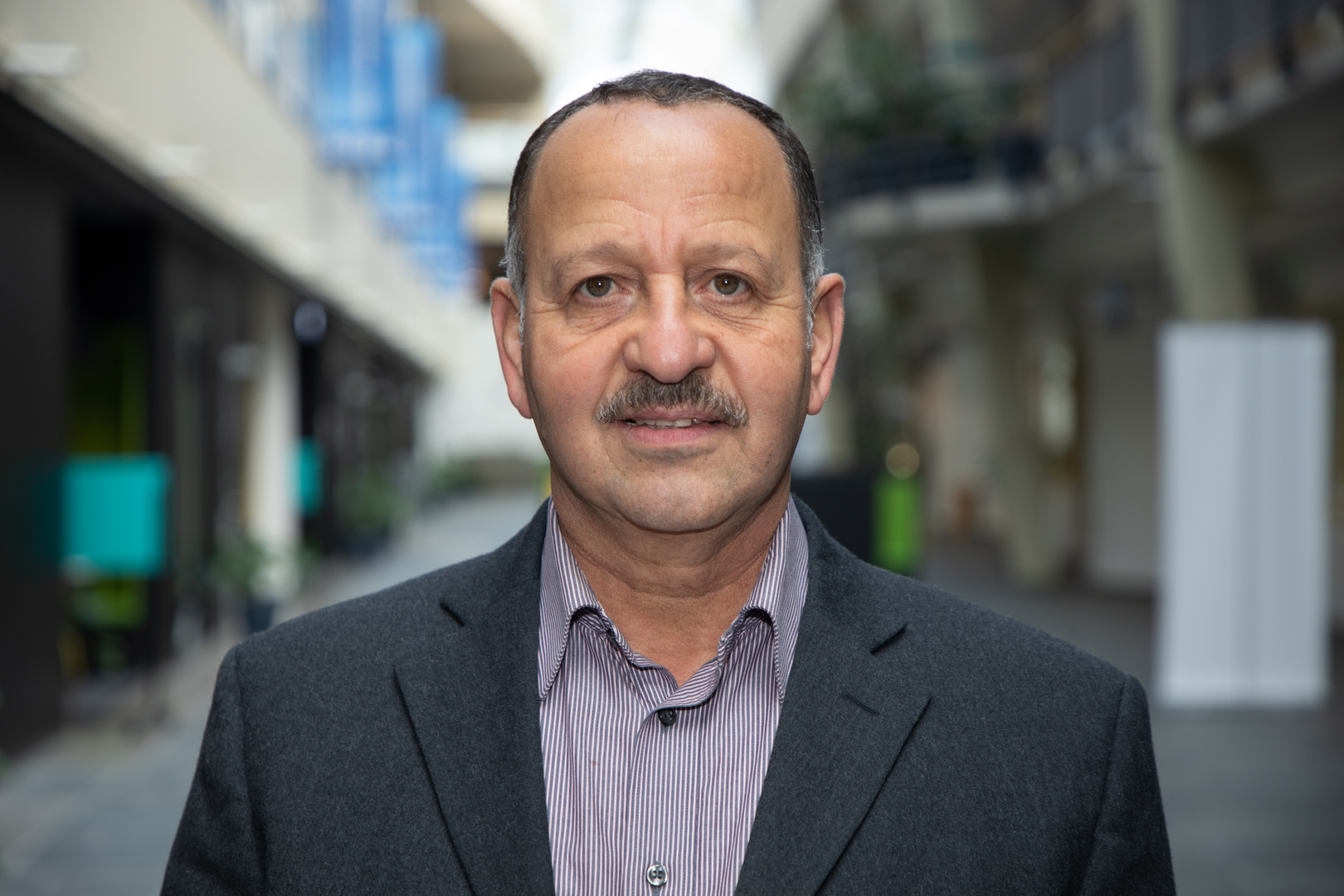
The third Chair appointment goes to Mohamad Mustafa, Professor at UiT’s Department of Building, Energy and Materials Technology in Narvik. Mustafa researches techniques and methods that can help make buildings and infrastructure a greater part of a circular economy and a more sustainable society.
Mustafa’s research focuses on a broad range of sustainable solutions for building and living in the Arctic. These may include decentralised energy solutions, electrification, sustainable management of water and waste systems, and the use of green and sustainable materials.
“Research into sustainable technology can help ensure clean, reliable and affordable energy for remote communities in the North, strengthen energy security, contribute to the decarbonisation of transport and industry, and reduce dependence on fossil fuels,” he says.
Seeks to strengthen interdisciplinary research
In his role as Chair, he wants to strengthen existing collaboration on the development of Arctic energy systems, hydrogen technology, energy preparedness and sustainable infrastructure. He also wants greater opportunities for mobility and the establishment of joint educational activities. Mustafa points out that interdisciplinary collaboration can help us succeed in carrying out a green transition.
“The challenges we face cannot be solved by engineering alone. They require contributions from the natural sciences, social sciences, economics, politics and business. This can ensure that research meets real needs, accelerate innovation and support the adoption of sustainable technology,” he concludes.
-
Fiskeri- og havbruksvitenskap - bachelor
Varighet: 3 År -
Fiskeri- og havbruksvitenskap - master
Varighet: 2 År -
Akvamedisin - master
Varighet: 5 År -
Bioteknologi - bachelor
Varighet: 3 År -
Arkeologi - master
Varighet: 2 År -
Geosciences - master
Varighet: 2 År -
Biology - master
Varighet: 2 År -
Physics - master
Varighet: 2 År -
Mathematical Sciences - master
Varighet: 2 År -
Biomedicine - master
Varighet: 2 År -
Computational chemistry - master
Varighet: 2 År -
Biologi - bachelor
Varighet: 3 År -
Medisin profesjonsstudium
Varighet: 6 År -
Luftfartsfag - bachelor
Varighet: 3 År -
Informatikk, datamaskinsystemer - bachelor
Varighet: 3 År -
Informatikk, sivilingeniør - master
Varighet: 5 År -
Geovitenskap- bachelor
Varighet: 3 År -
Biomedisin - bachelor
Varighet: 3 År -
Matematikk - årsstudium
Varighet: 1 År -
Ergoterapi - bachelor
Varighet: 3 År -
Fysioterapi - bachelor
Varighet: 3 År -
Radiografi - bachelor
Varighet: 3 År -
Farmasi - bachelor
Varighet: 3 År -
Farmasi - master
Varighet: 2 År -
Romfysikk, sivilingeniør - master
Varighet: 5 År -
Bærekraftig teknologi, ingeniør - bachelor
Varighet: 3 År -
Odontologi - master
Varighet: 5 År -
Anvendt fysikk og matematikk, sivilingeniør - master
Varighet: 5 År -
Praktisk-pedagogisk utdanning for trinn 8-13 - årsstudium
Varighet: 2 År -
Internasjonal beredskap - bachelor
Varighet: 3 År -
Ernæring - bachelor
Varighet: 3 År -
Ph.d.-program i naturvitenskap
Varighet: 3 År -
PhD Programme in Natural Science
Varighet: 3 År -
PhD Programme in Science
Varighet: 3 År -
Lektor i realfag trinn 8-13 - master
Varighet: 5 År -
Kunstig intelligens, sivilingeniør - master
Varighet: 5 År -
Fysikk og matematikk - bachelor
Varighet: 3 År -
Nautikk - bachelor
Varighet: 3 År -
Medisin profesjonsstudium - forskerlinje
Varighet: 7 År -
Havteknologi, ingeniør - bachelor (ordinær, y-vei)
Varighet: 3 År -
Informatikk, datafag - bachelor
Varighet: 3 År -
Computer Science - master
Varighet: 4 År -
Fornybar energi, sivilingeniør - master
Varighet: 5 År -
Bærekraftig kjemi og innovasjon, sivilingeniør - master
Varighet: 5 År -
Marine Biotechnology and Biological Chemistry - master
Varighet: 2 År -
Peace and Conflict Transformation - master
Varighet: 2 År -
Technology and Safety - master
Varighet: 2 År -
Law of the Sea - master
Varighet: 3 Semestre -
Nordisk - årsstudium
Varighet: 1 År -
Pedagogikk - bachelor
Varighet: 3 År