Challenging Conventional Thinking and Building Trust
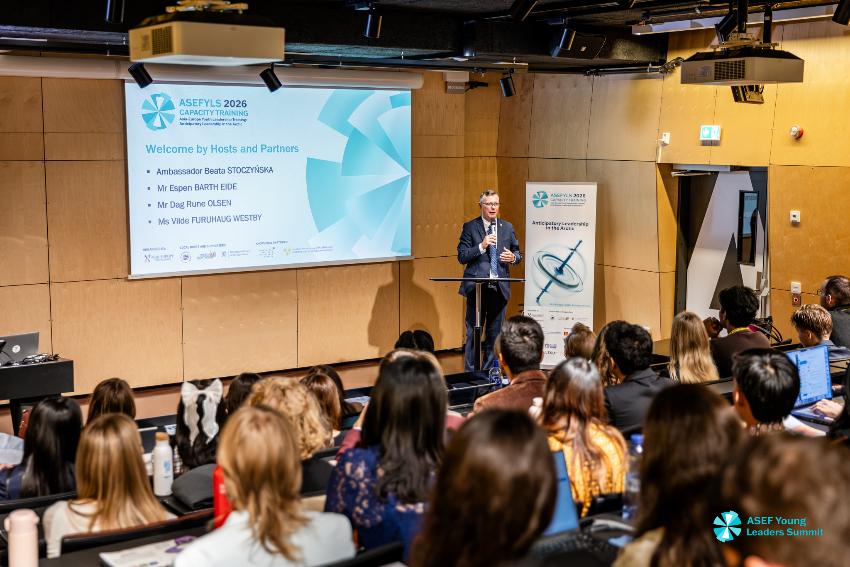
In August, young leaders from Asia and Europe gathered for a conference at UiT in Tromsø. Together, they have worked on future scenarios for the Arctic in order to become better equipped to navigate a world marked by rapid change and uncertainty.
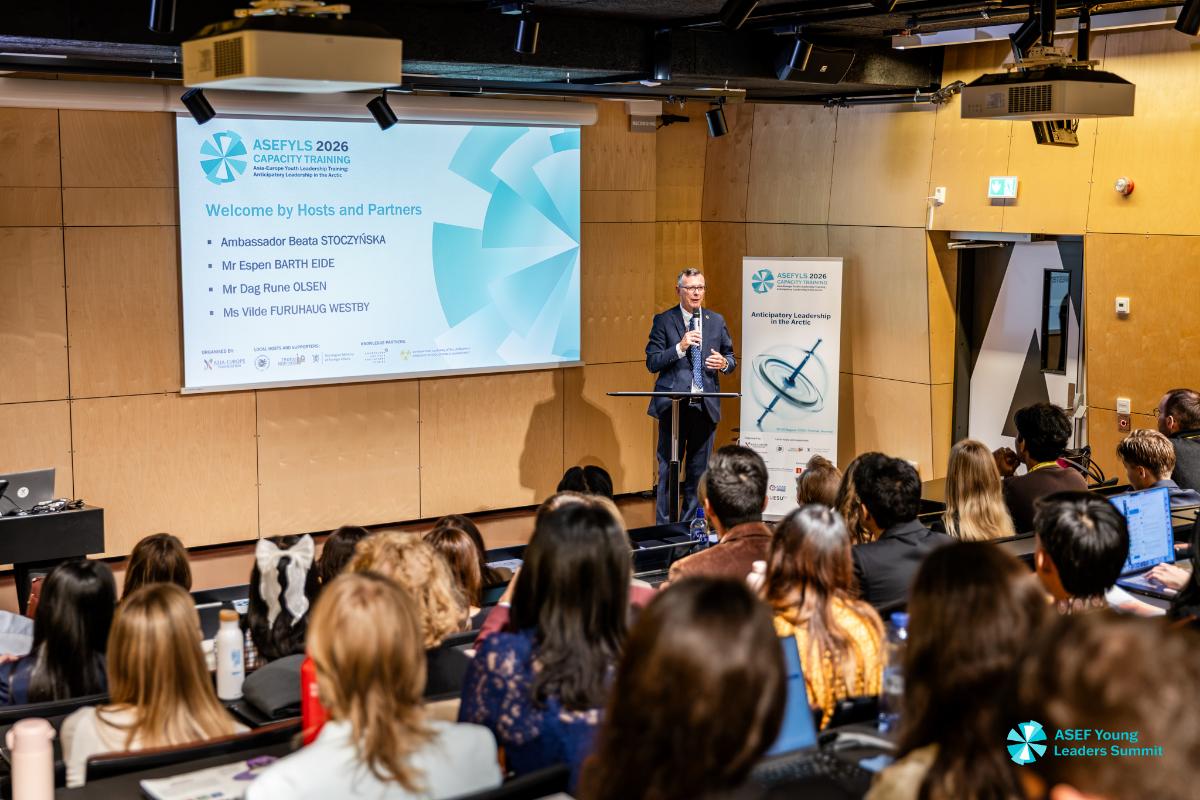

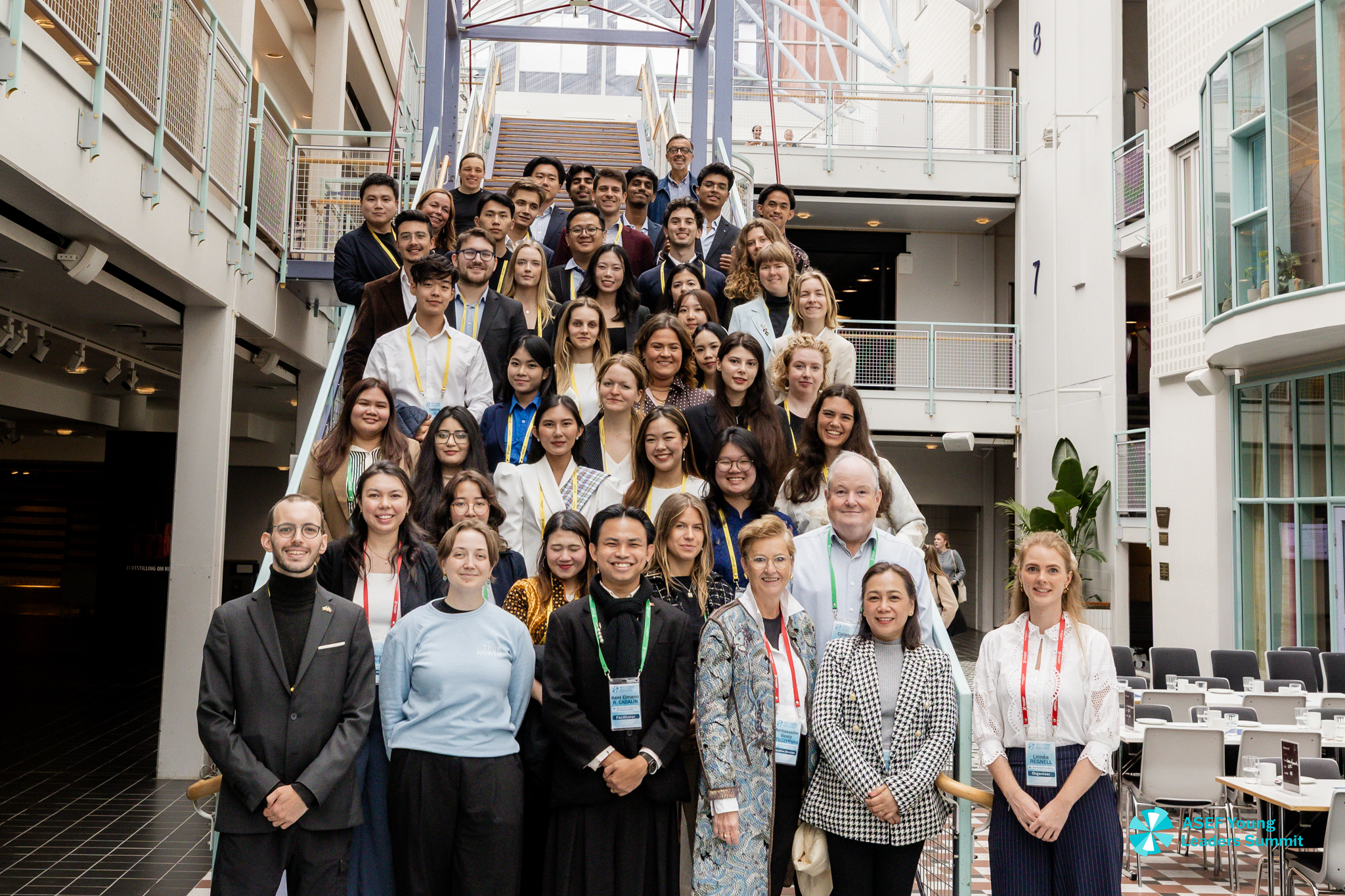
This week, UiT is hosting 39 young leaders from 35 countries in Asia and Europe. They are taking part in the ASEFYLS 2026 Capacity Training: Anticipatory Leadership for a Human-Centred Future.
The conference is organised by the Asia-Europe Foundation (ASEF) and is being held in connection with Tromsø’s status as European Youth Capital this year, under the concept “True North – Tromsø 2026”.
Building Mutual Understanding
The conference’s main objective is to promote deeper intercultural understanding, develop global leadership skills and strengthen global networks of youth and student organisations.
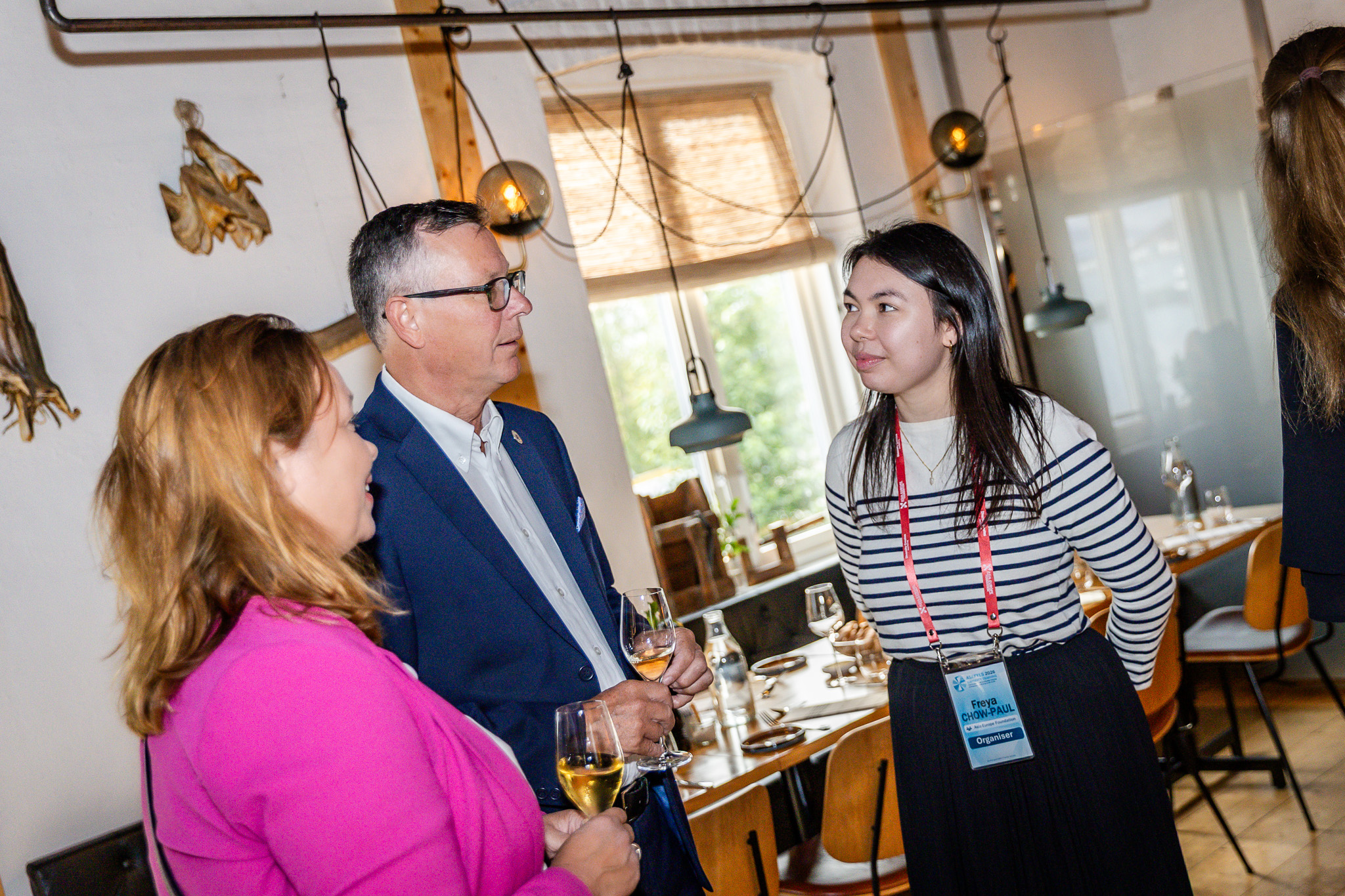
“By bringing together young leaders from Asia and Europe, we build mutual understanding, challenge conventional thinking and create the trust needed to address shared global challenges. Through ASEF’s work, young people can exchange different perspectives, establish lasting networks across the regions, and bring new, practical ideas from civil society into the dialogue between Asia and Europe,” says Freya Chow-Paul, Project Manager and Youth Project Lead at the Asia-Europe Foundation (ASEF).
Before arriving in Tromsø, participants prepared thoroughly through an eight-week training programme. At UiT, they have worked on further developing skills in a method known as anticipatory leadership.
They have done so through thematic workshops and panel discussions, where they have received briefings from UiT researchers on topics including the economy, security, climate change and Indigenous communities in the Arctic.
Extreme Changes Ahead
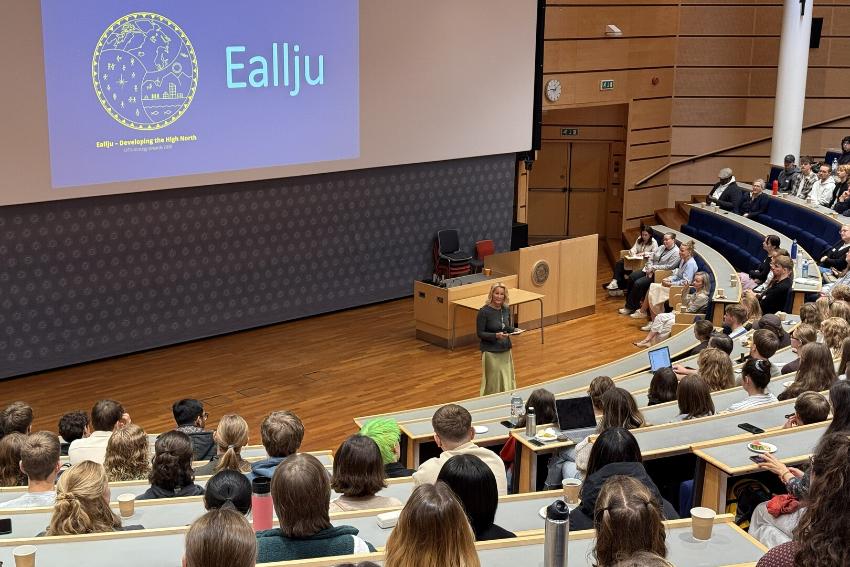
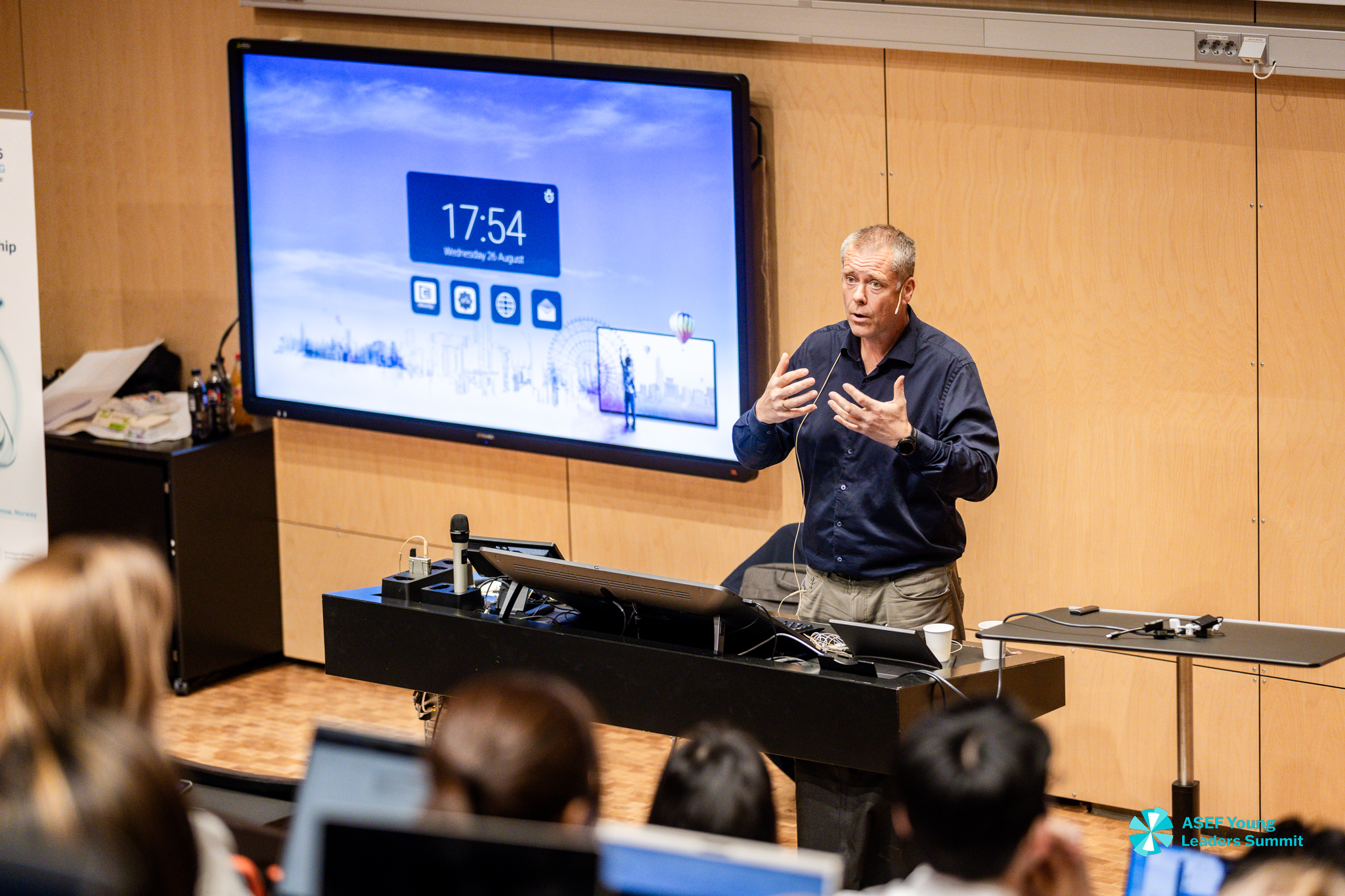
How future generations should respond to changes in the Arctic was the focus of a presentation given by Jørgen Bergen, Pro-Rector for Research and Innovation at UiT.
He introduced the young leaders to Arctic Ocean 2050. The research programme will run for ten years, involves 18 Norwegian partners and has a budget of NOK 2 billion. Researchers will investigate the consequences for both nature and society in the Arctic if sea ice is significantly reduced during the summer months.
“The effects of warming are far stronger in the Arctic than in other parts of the world. The melting of glaciers in both Antarctica and the Arctic is the greatest danger we face. It will affect us enormously over the next 100 years. But it is the more temperate regions that will feel the consequences,” Bergen said.
“When we are facing such extreme changes, the comparison between yesterday and tomorrow becomes much more important. We must ask: What are the consequences for people, nature conservation and the future use of the Arctic?” he added.
An Interdisciplinary Approach Is Crucial
Berge stressed that international and interdisciplinary collaboration is vital to understanding such processes. It is also a cornerstone of ASEFYLS, which aims to develop young people’s skills and expertise so that they can “navigate an increasingly globalised and interconnected world characterised by rapid change and considerable uncertainty”.
“One of the things we will see when educating the next generation is that we can no longer prioritise a single discipline. In future, younger researchers must take a much more interdisciplinary approach,” Berge concluded.
ASEFYLS 2026
- The ASEF Young Leaders Summit (ASEFYLS) brings together 39 young leaders from Asia and Europe at UiT in Tromsø.
- The conference is being held from 23 to 29 August and is supported by, among others, the Ministry of Foreign Affairs.
- It is taking place as part of Tromsø’s role as European Youth Capital.
- At the conference, participants can strengthen their own leadership skills and civic engagement.
- Among other activities, they work with future scenarios relating to the Arctic.
Challenging Conventional Thinking
According to ASEFYLS, “anticipatory leadership” is the ability and habit of using future scenarios to analyse current trends and social developments.
Participants can use the insights gained from the workshops to develop their leadership style and implement collaborative, adaptable initiatives in their local communities. Another key term for the conference is “a human-centred future”.
“It involves a future in which innovation in areas such as digitalisation and the green transition is driven by empathy, resilience and cross-cultural collaboration,” Chow-Paul explains.
-
Fiskeri- og havbruksvitenskap - bachelor
Varighet: 3 År -
Fiskeri- og havbruksvitenskap - master
Varighet: 2 År -
Akvamedisin - master
Varighet: 5 År -
Peace and Conflict Transformation - master
Varighet: 2 År -
Computer Science - master
Varighet: 2 År -
Geosciences - master
Varighet: 2 År -
Biologi - bachelor
Varighet: 3 År -
Nordisk - årsstudium
Varighet: 1 År -
Historie - årsstudium
Varighet: 1 År -
Arkeologi - bachelor
Varighet: 3 År -
Pedagogikk - master
Varighet: 2 År -
Informatikk, datamaskinsystemer - bachelor
Varighet: 3 År -
Informatikk, sivilingeniør - master
Varighet: 5 År -
Allmenn litteraturvitenskap - årsstudium
Varighet: 1 År -
Geovitenskap- bachelor
Varighet: 3 År -
Farmasi - master
Varighet: 2 År -
Romfysikk, sivilingeniør - master
Varighet: 5 År -
Bærekraftig teknologi, ingeniør - bachelor
Varighet: 3 År -
Filosofi - bachelor
Varighet: 3 År -
Anvendt fysikk og matematikk, sivilingeniør - master
Varighet: 5 År -
Arctic Nature Guide - one year programme
Varighet: 1 År -
Arktisk friluftsliv og naturguiding - bachelor
Varighet: 3 År -
Arktisk friluftsliv - årsstudium
Varighet: 1 År -
Grunnskolelærerutdanning for 1.-7. trinn - master
Varighet: 5 År -
Governance and Entrepreneurship in Northern and Indigenous Areas - master
Varighet: 4 År -
Internasjonal beredskap - bachelor
Varighet: 3 År -
Landskapsarkitektur - master
Varighet: 5 År -
Grunnskolelærerutdanning for 5.-10. trinn - master
Varighet: 5 År -
Ph.d.-program i naturvitenskap
Varighet: 3 År -
Environmental Law - master
Varighet: 2 År -
Ph.d.-program i humaniora og samfunnsvitenskap
Varighet: 3 År -
Nordic Urban Planning - master
Varighet: 2 År -
Ph.d.-program i realfag
Varighet: 3 År -
Samfunnsøkonomi med datavitenskap - master
Varighet: 2 År -
Luftfartsvitenskap - master
Varighet: 3 År -
PhD Programme in Science
Varighet: 3 År -
PhD programme in Nautical Operations
Varighet: 3 År -
Filosofi - årsstudium
Varighet: 1 År -
Lektor i språk og samfunnsfag trinn 8-13 - master
Varighet: 5 År -
Fysikk og matematikk - bachelor
Varighet: 3 År -
Havteknologi, ingeniør - bachelor (ordinær, y-vei)
Varighet: 3 År -
Landscape Architecture - master
Varighet: 2 År -
Contemporary Risk and Crisis Management - master
Varighet: 2 År -
Informatikk, datafag - bachelor
Varighet: 3 År -
Computer Science - master
Varighet: 4 År -
Fornybar energi, sivilingeniør - master
Varighet: 5 År -
Bærekraftig kjemi og innovasjon, sivilingeniør - master
Varighet: 5 År -
Mediefag - årsstudium
Varighet: 1 År -
Praktisk-pedagogisk utdanning trinn 8-13 - årsstudium
Varighet: 1 År -
Philosophy - master
Varighet: 2 År