NOK 48 million for research into environmental challenges
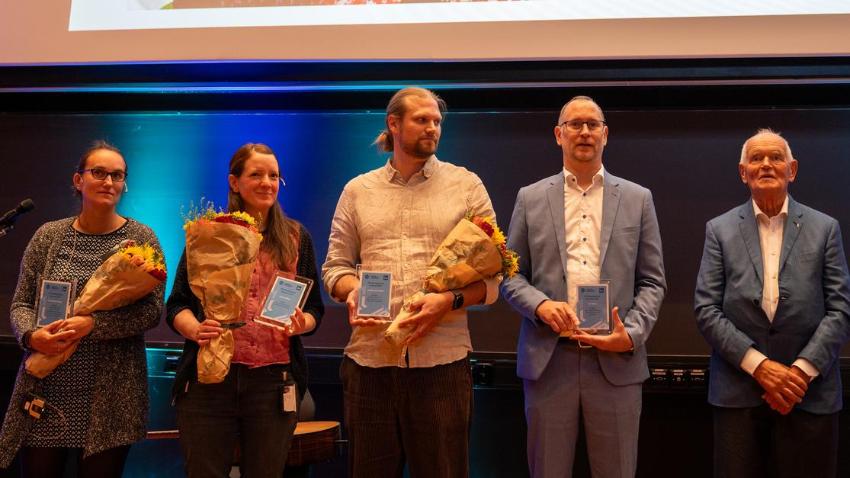
Over nearly 20 years, Trond Mohn has contributed more than NOK 600 million to research at UiT. This year, four young researchers at UiT have each received NOK 12 million from the Tromsø Research Foundation to investigate how climate change and pollution affect nature and society.

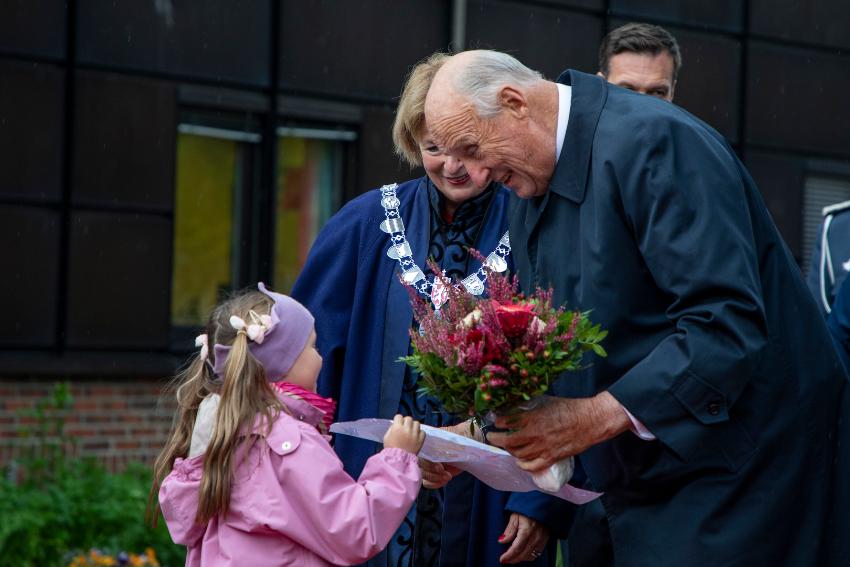
Businessman and philanthropist Trond Mohn has been an important supporter of Norwegian research for several decades. In 2007, he established the Tromsø Research Foundation (TFS), with the aim of strengthening research at UiT The Arctic University of Norway.
Since its establishment, the foundation has awarded more than NOK 600 million to research talents and research networks at the university. The funding has made it possible to recruit promising young researchers and build research environments that compete internationally.
“Mohn has a great affection for Northern Norway. His contributions have enabled UiT to attract talented researchers and have been crucial to establishing internationally leading academic environments at the university,” says UiT Pro-Rector Jørgen Berge.
Tromsø Research Foundation (TFS)
- Established with support from Trond Mohn on 28 March 2007.
- Receives annual donations from the Trond Mohn Research Foundation.
- Its purpose is to support and distribute funding for long-term fundamental research and research-promoting initiatives.
- Supports high-quality research projects at UiT, or led by UiT, in collaboration with researchers at the University of Bergen.
- TFS Starting Grants are announced every other year; the next call for applications will be in 2028.
- Seven calls for TFS Starting Grants have been issued (STG) since 2016.
- The most recent call had a total funding pot of NOK 48 million.
The scheme of so-called Starting Grants in particular has been extremely important, helping a number of younger, promising candidates to qualify for permanent professorships.
Mohn’s long-standing commitment to research in the north has, since 2023, been continued through a collaboration between the sister foundations, the Trond Mohn Foundation and the Tromsø Research Foundation.
NOK 48 million awarded to young UiT researchers
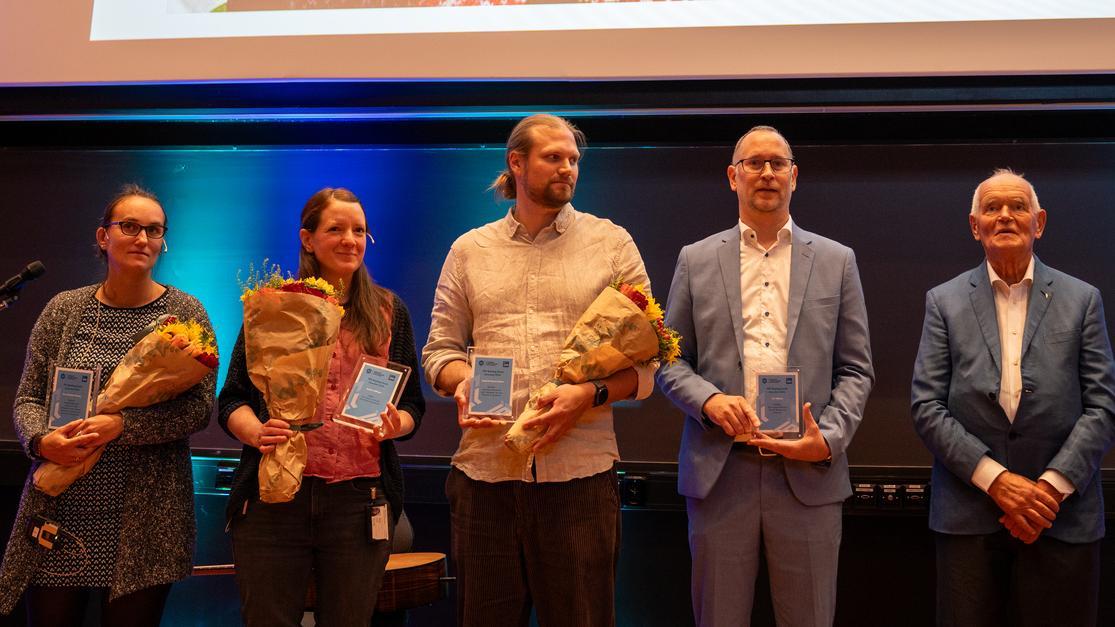
Every other year, the Tromsø Research Foundation awards TFS Starting Grants to young UiT researchers. At the annual event on 22 September, four projects received support of NOK 12 million each for the first time, totalling NOK 48 million.
The projects will provide new knowledge about how climate change and pollution affect nature and society, and strengthen preparedness for environmental challenges.
STRACA and AGRON, led by UiT researchers Zoe Charlotte Koenig and Jan Viljanen, will investigate changes in plankton, algal blooms and agricultural pollution.
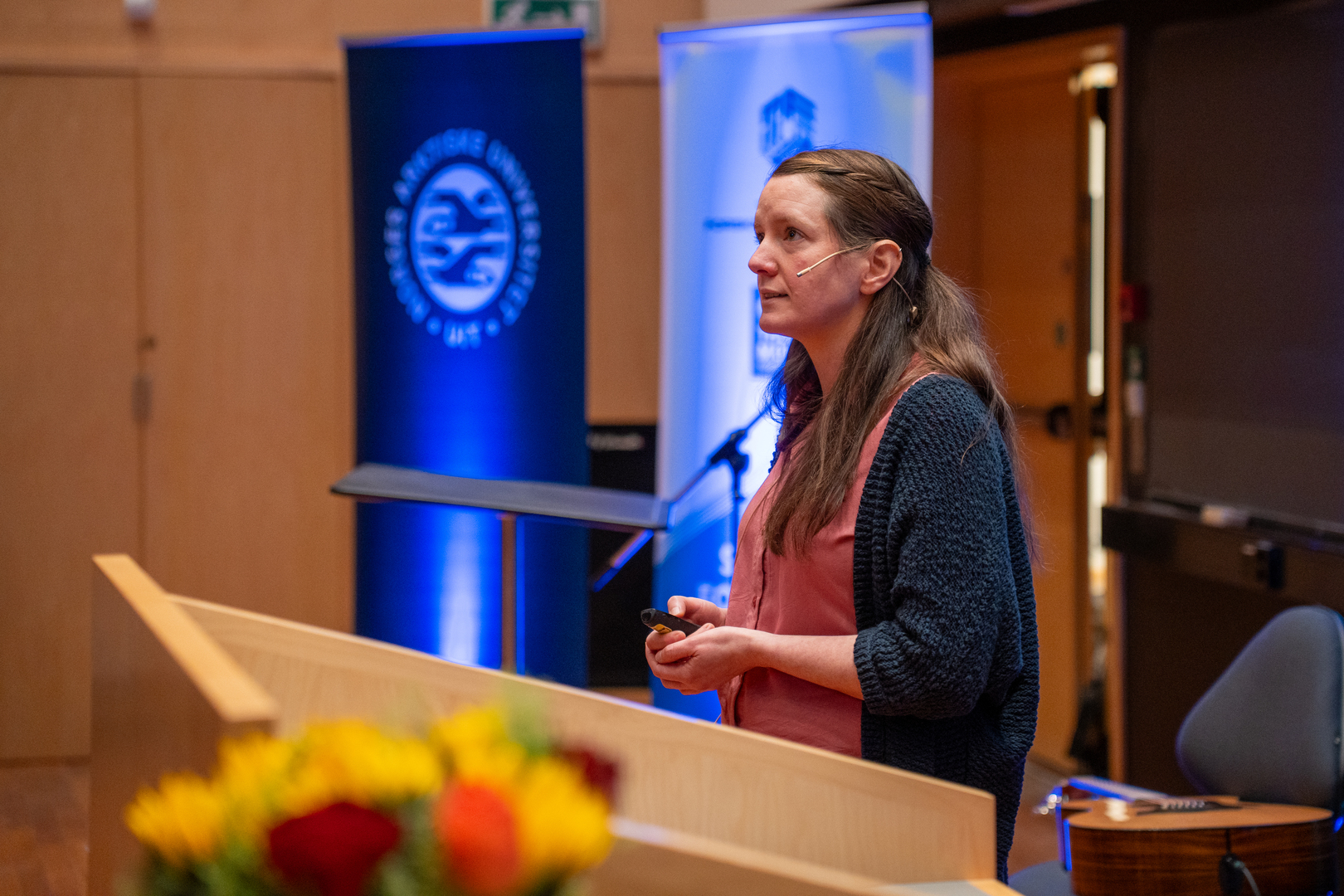
Their colleague Andrea Söllinger’s FATE project examines the effects of climate change on microorganisms in Arctic soil and methane emissions, while a fourth UiT researcher, Gabrielle Emma Kleber, is investigating methane linked to retreating glaciers in the METRIS project.
The hidden life of soil
In the project FATE: The Future of Arctic Terrestrial Ecosystems, researchers are investigating how climate change affects microorganisms in Arctic soil. Changes in the microbes’ seasonal rhythms may affect vegetation and the amount of carbon that the soil stores or releases. The aim of the research project is to gain more reliable knowledge of what these changes entail and to predict CO₂ emissions from Arctic areas.
“The Arctic is warming faster than anywhere else in the world, and the landscape is undergoing major change. In the future, I want to develop strategies for monitoring, managing and using microorganisms to reduce climate impacts,” says Söllinger.
FATE will help further develop COAT, UiT’s climate-ecological observation system for Arctic tundra. The researchers will investigate how microbes use carbon, how energy and nutrients move through the soil food web, and how this is affected by climate and environmental change.
The project will also produce detailed datasets to be collected in the FATE SoilBank. The data can be used both internationally and by the next generation of microbial ecologists.
Methane leakage from glaciers
Methane is at the centre of the project METRIS: Methane Emissions and Tidewater Glacier Retreat in Svalbard. The researchers will investigate how melting and retreating glaciers affect methane emissions.
Over six years, 15 researchers from five countries will study rapidly changing fjords in Svalbard. They will measure current methane emissions, seasonal variations, and the significance of landslides and glacier collapses.
The researchers will also examine traces of earlier glacial melting on the seabed. This may provide new knowledge about methane emissions over both short and long timescales. METRIS will contribute data to climate models that can predict the consequences of continued ice melt in Svalbard, Greenland, Canada and Antarctica.
Aiming to reduce pollution
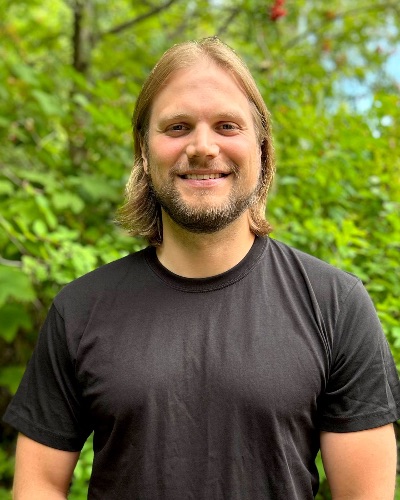
The project AGRON: Agricultural Nutrient Runoff Monitoring Network is developing technology to measure nutrients running off from agriculture into rivers, fjords and the sea.
The researchers will analyse data from sensors, satellite images and other remote-sensing methods. This will provide detailed maps of how nutrients are transported through the landscape and where the risk of pollution is greatest.
“What you measure, you can improve. Nutrient runoff harms ecosystems around the world, while modern food production depends on fertiliser that is often used inefficiently,” says Viljanen.
He points out that a large proportion of fertiliser is lost through runoff, which increases food prices.
“Therefore, knowledge of when, where and how much nutrient leakage enters bodies of water will contribute to more resource-efficient and environmentally friendly agriculture,” says Viljanen.
According to him, the project can help farmers and authorities target measures more effectively, improve water-quality forecasts and reduce pressure on vulnerable aquatic areas. The technology could later be used in other exposed regions, such as the Arctic and the Great Barrier Reef.
The basis of life in the sea
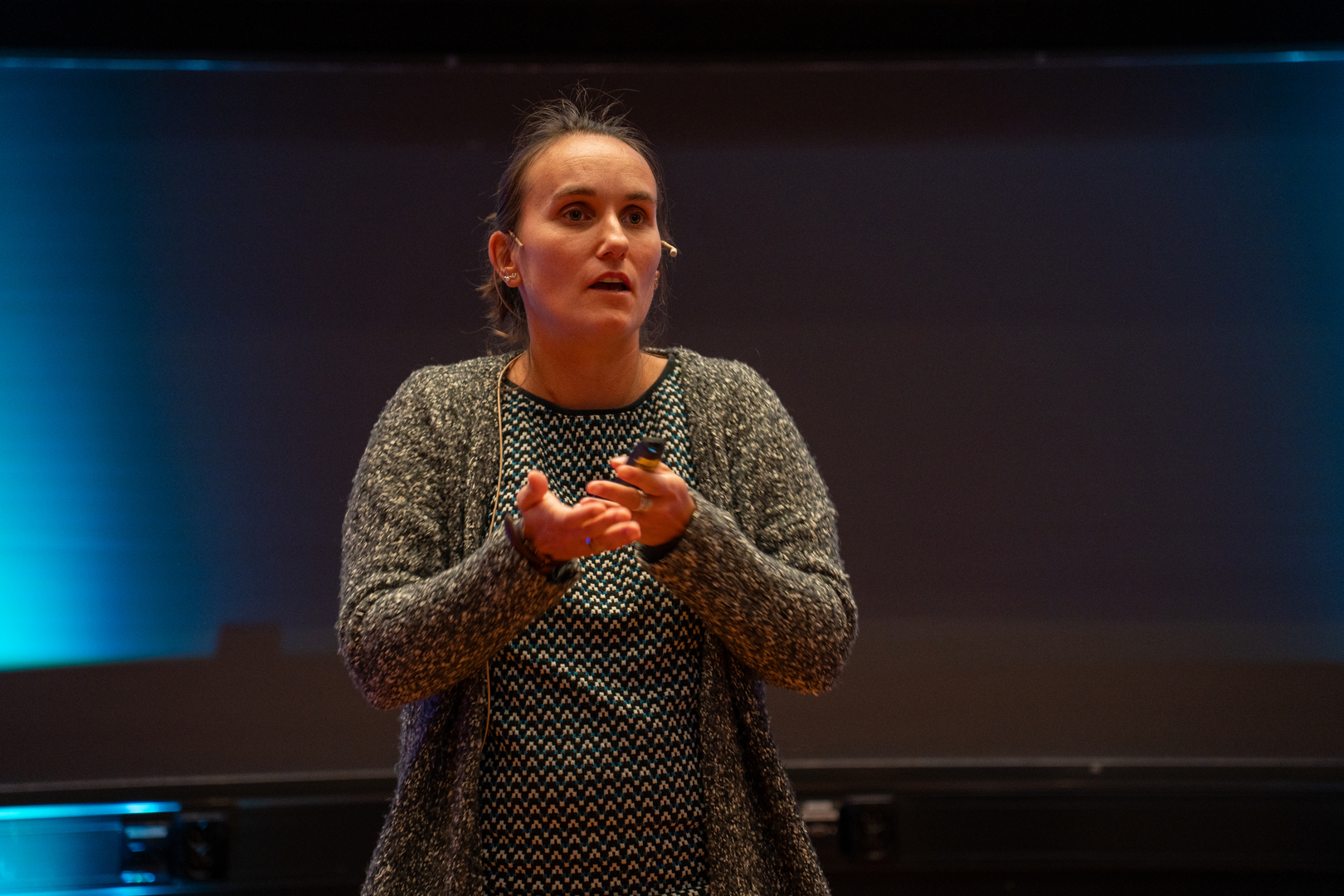
The project STRACA: Stratification and Nutrients of the Changing Arctic Ocean investigates how climate change affects the basis of life in Arctic marine areas.
Read about the Arctic Ocean 2050 here
Phytoplankton and algae in sea ice form the first link in the food chain. They are eaten by zooplankton, which in turn are an important food source for fish, seabirds and marine mammals.
“The Arctic Ocean remains difficult to study, particularly in winter, because sea ice prevents satellite imaging and access by ship,” says Koenig.
She believes it is important to develop new knowledge about zooplankton because ecosystems are changing rapidly.
“To understand these changes, we need to understand the starting point – how the system functions today. This will also help improve modelling capacity and provide new knowledge for Arctic management,” she stresses.
The researchers will investigate what controls the availability of nutrients and algal growth throughout the year. Ocean stratification, involving differing amounts of freshwater, saltwater and light, is central to this.
Using sensors and year-round sampling, the project will measure nutrients, algae and zooplankton. The results may reveal how reduced sea ice, warmer seas and changing water masses affect the availability of energy in the Arctic ecosystem – and how much carbon is stored on the seabed.
-
Fiskeri- og havbruksvitenskap - bachelor
Varighet: 3 År -
Fiskeri- og havbruksvitenskap - master
Varighet: 2 År -
Akvamedisin - master
Varighet: 5 År -
Bioteknologi - bachelor
Varighet: 3 År -
Geosciences - master
Varighet: 2 År -
Biology - master
Varighet: 2 År -
Computational chemistry - master
Varighet: 2 År -
Law of the Sea - master
Varighet: 3 Semestre -
Biologi - bachelor
Varighet: 3 År -
Geovitenskap- bachelor
Varighet: 3 År -
Samfunnssikkerhet - bachelor
Varighet: 3 År -
Internasjonal beredskap - bachelor
Varighet: 3 År -
Ph.d.-program i naturvitenskap
Varighet: 3 År -
Environmental Law - master
Varighet: 2 År -
Ph.d.-program i nautiske operasjoner: Fellesgrad
Varighet: 3 År -
PhD programme in Nautical Operations
Varighet: 3 År -
Nautikk - bachelor
Varighet: 3 År -
Ocean Leadership - Executive master
Varighet: 3 År -
Havteknologi, ingeniør - bachelor (ordinær, y-vei)
Varighet: 3 År -
Nautikk - årsstudium
Varighet: 1 År -
Marine Biotechnology and Biological Chemistry - master
Varighet: 2 År -
Arkeologi - master
Varighet: 2 År -
Physics - master
Varighet: 2 År -
Mathematical Sciences - master
Varighet: 2 År -
Biomedicine - master
Varighet: 2 År -
Medisin profesjonsstudium
Varighet: 6 År -
Luftfartsfag - bachelor
Varighet: 3 År -
Informatikk, datamaskinsystemer - bachelor
Varighet: 3 År -
Informatikk, sivilingeniør - master
Varighet: 5 År -
Biomedisin - bachelor
Varighet: 3 År -
Matematikk - årsstudium
Varighet: 1 År -
Ergoterapi - bachelor
Varighet: 3 År -
Fysioterapi - bachelor
Varighet: 3 År -
Radiografi - bachelor
Varighet: 3 År -
Farmasi - bachelor
Varighet: 3 År -
Farmasi - master
Varighet: 2 År -
Romfysikk, sivilingeniør - master
Varighet: 5 År -
Bærekraftig teknologi, ingeniør - bachelor
Varighet: 3 År -
Odontologi - master
Varighet: 5 År -
Anvendt fysikk og matematikk, sivilingeniør - master
Varighet: 5 År -
Praktisk-pedagogisk utdanning for trinn 8-13 - årsstudium
Varighet: 2 År -
Ernæring - bachelor
Varighet: 3 År -
PhD Programme in Natural Science
Varighet: 3 År -
PhD Programme in Science
Varighet: 3 År -
Lektor i realfag trinn 8-13 - master
Varighet: 5 År -
Kunstig intelligens, sivilingeniør - master
Varighet: 5 År -
Fysikk og matematikk - bachelor
Varighet: 3 År -
Medisin profesjonsstudium - forskerlinje
Varighet: 7 År -
Informatikk, datafag - bachelor
Varighet: 3 År -
Computer Science - master
Varighet: 4 År