"We need both the highways and the paths"
In a time when the Arctic faces significant challenges and changes, Indigenous knowledge is becoming increasingly important in educating the leaders of tomorrow.
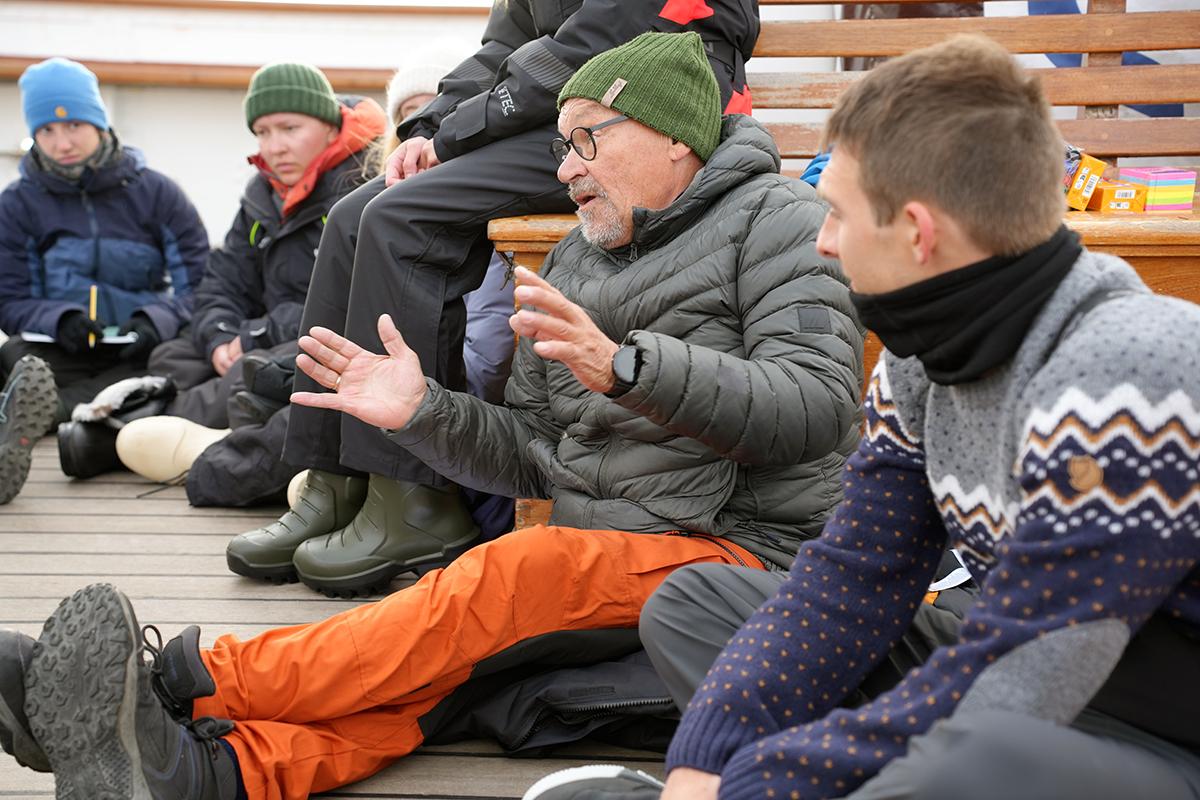
The student course Arctic Future Pathfinders aboard the Statsraad Lehmkuhl employs reflection-based learning methods. Students are encouraged to explore alternative pathways of knowledge and perspectives that can contribute to a more holistic understanding of the world.
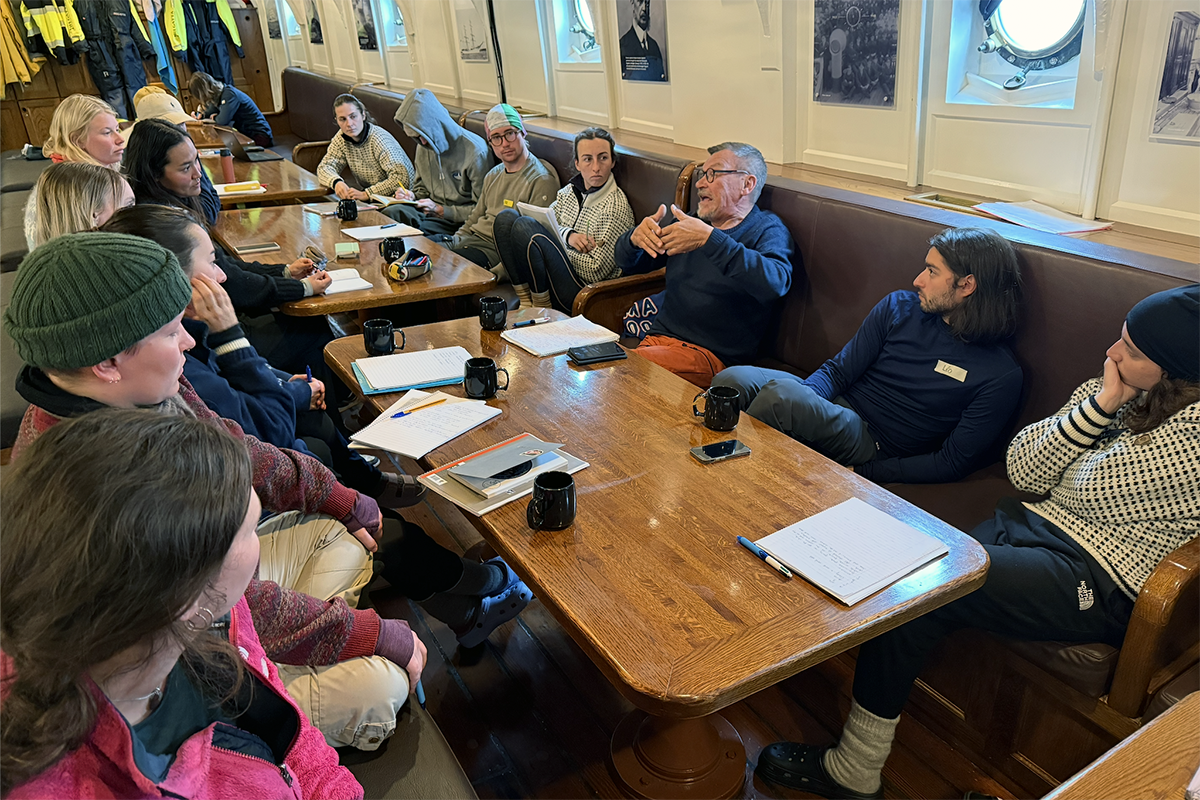
Jan-Erik Henriksen, an associate professor in social work at UiT The Arctic University of Norway, who also has a Sámi background, is part of the voyage to introduce students to Indigenous philosophy. This philosophy emphasizes that nature is full of trails—both visible and invisible—and that these trails represent knowledge shaped by generations of humans and animals.
"We challenge students to look beyond the broad 'highways' of established science and explore the less visible trails that Indigenous knowledge offers. It’s about equipping students with tools to reflect on why they believe what they believe and to understand that multiple forms of knowledge can coexist," says Henriksen.
"We want to challenge them to think in new ways while also recognizing the importance of the past," he adds.
The Indigenous Dimension in Focus
The Indigenous dimension is becoming increasingly important in the Arctic, both politically and academically. Through the course, students gain insight into how Indigenous knowledge can contribute to sustainable solutions and new ways of understanding the world. This includes everything from traditional knowledge about nature to philosophical perspectives on the interplay between humans and the environment.
"We see that Indigenous knowledge is often exoticized or marginalized, but we want to show that it has real value and relevance," says Henriksen.
"It’s not about replacing established science, but about creating space for both," he adds.
Reflection and Collaboration
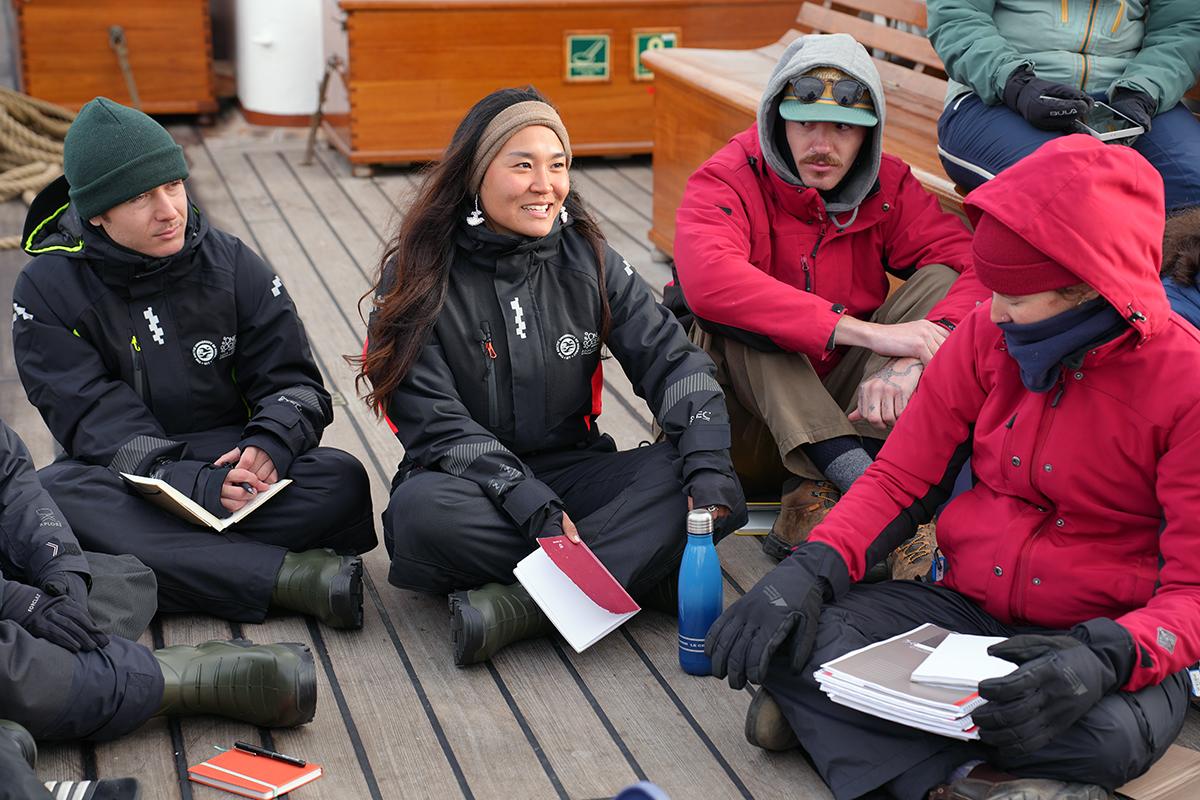
The course places great emphasis on reflection and collaboration. Through methods such as circle discussions and reflection exercises, students are encouraged to challenge their own biases and explore new perspectives. This approach differs from traditional lectures and provides a more dynamic learning experience.
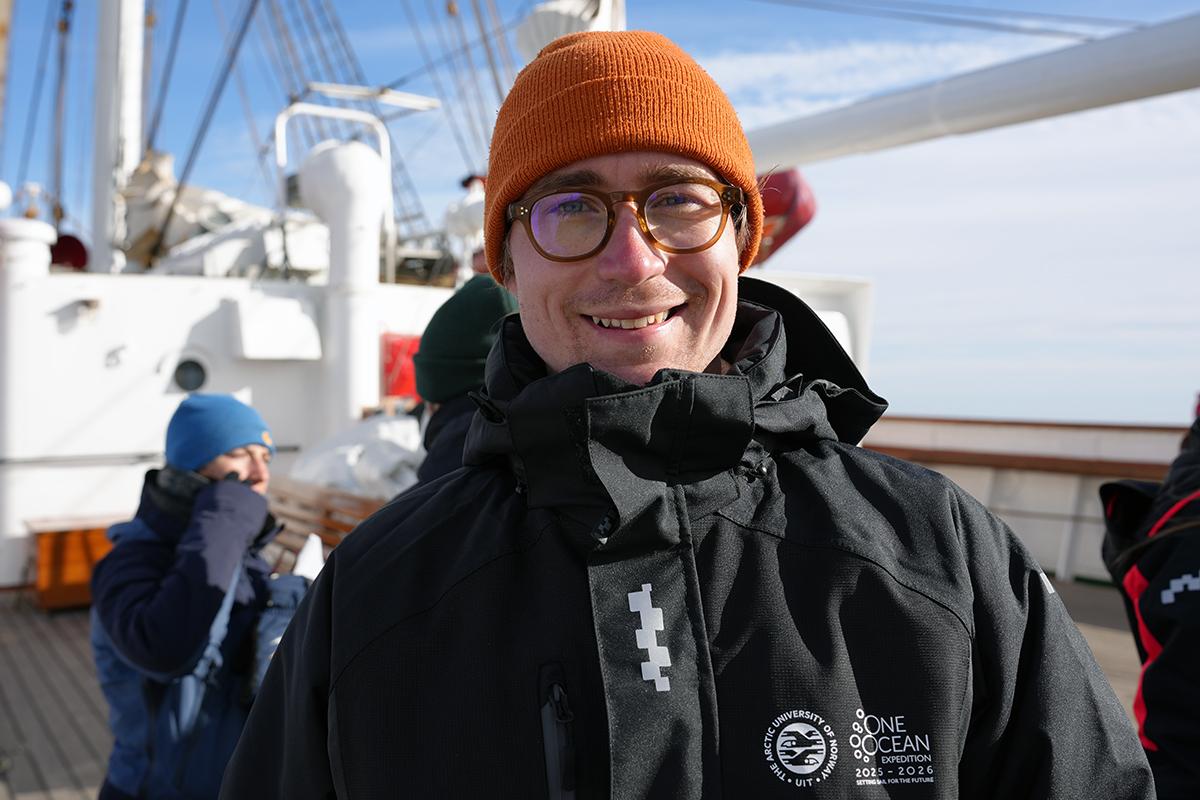
"We want to give students the tools to be culturally sensitive and open to different perspectives. It’s about understanding that knowledge is not static but evolves through encounters with diverse cultures and experiences," says Henriksen.
Miyuki Daorana, who is from Kalaallit Nunaat (Greenland) and a student at UiT, is one of them sharing her experiences with the other course participants. She explains how the word 'expedition' could trigger something negative for the local communities in Greenland.
"There has been some terrible things happening connected to earlier expeditions back in the days", says Daorana.
"I'm from Canada, so I only really know about that side of things. The thing I commented on at the end was about terminology and how it's interpreted by different communities. So the word expedition, I didn't know that that was a sensitive word for people in indigenous communities", says Max David Kelly from Memorial University of Newfoundland after one ofe the lectures.
Norja Walther, who is a master's student at the university of Greenland, really enjoyed the circle conversations.
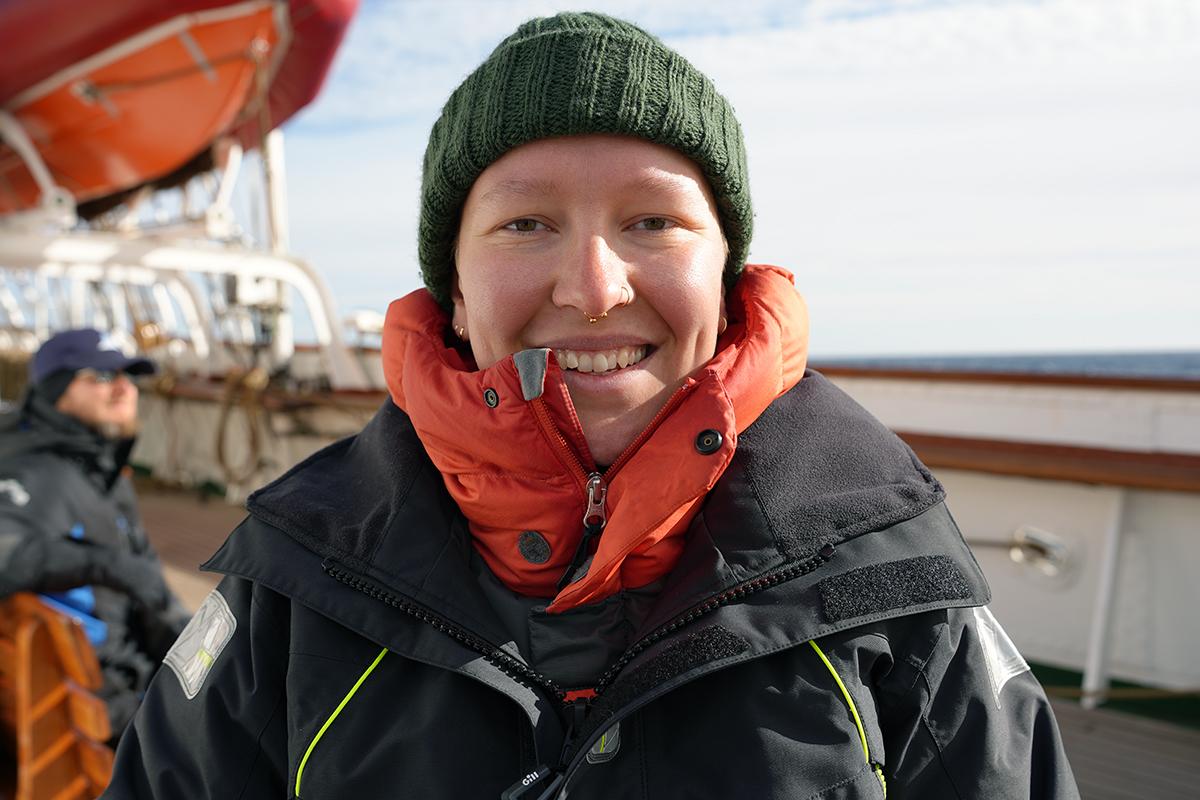
"So the feeling that I left the session with was a hopeful and calm feeling that we were able to create a space here in which we all come together with our various backgrounds and can openly share what feels like a safe space and that we all come together with the willingness to learn and to listen and to also share our own stories", says Walther.
Challenges and Opportunities
Although Henriksen has received much positive feedback from students, there are also challenges. Many students from natural sciences have little experience with Indigenous knowledge, and integrating this perspective into an academic context can be difficult. Nevertheless, Henriksen sees the course’s structure as an opportunity to plant small seeds of curiosity and understanding.
"It’s about building bridges between different forms of knowledge. We believe this is crucial for addressing future challenges in the Arctic and the world at large," says Henriksen, before adding:
"We hope this course can inspire students to think in new ways and bring these perspectives into their future careers. To face the challenges of the future, we need both the highways and the paths."
-
Arkeologi - master
Varighet: 2 År -
Peace and Conflict Transformation - master
Varighet: 2 År -
Geosciences - master
Varighet: 2 År -
Biology - master
Varighet: 2 År -
Technology and Safety - master
Varighet: 2 År -
Law of the Sea - master
Varighet: 3 Semestre -
Biologi - bachelor
Varighet: 3 År -
Nordisk - årsstudium
Varighet: 1 År -
Luftfartsfag - bachelor
Varighet: 3 År -
Pedagogikk - bachelor
Varighet: 3 År -
Arkeologi - bachelor
Varighet: 3 År -
Likestilling og kjønn - årsstudium
Varighet: 1 År -
Historie - bachelor
Varighet: 3 År -
Geovitenskap- bachelor
Varighet: 3 År -
Samfunnssikkerhet - bachelor
Varighet: 3 År -
Samfunnssikkerhet - master
Varighet: 2 År -
Kunst - bachelor
Varighet: 3 År -
Kunsthistorie - master
Varighet: 2 År -
Religionsvitenskap - årsstudium
Varighet: 1 År -
Romfysikk, sivilingeniør - master
Varighet: 5 År -
Sosialantropologi - bachelor
Varighet: 3 År -
Historie - master
Varighet: 2 År -
Barnehagelærer - bachelor
Varighet: 3 År -
Anvendt fysikk og matematikk, sivilingeniør - master
Varighet: 5 År -
Barnevernsarbeid - master
Varighet: 2 År -
Forfatterstudium 2 - årsstudium
Varighet: 1 År -
Organisasjon og ledelse for offentlig sektor - erfaringsbasert master
Varighet: 3 År -
Fine Art - master
Varighet: 2 År -
Barnevern - bachelor
Varighet: 3 År -
Arctic Nature Guide - one year programme
Varighet: 1 År -
Sosialt arbeid - bachelor
Varighet: 3 År -
Arktisk friluftsliv og naturguiding - bachelor
Varighet: 3 År -
Arktisk friluftsliv - årsstudium
Varighet: 1 År -
Grunnskolelærerutdanning for 1.-7. trinn - master
Varighet: 5 År -
Kunsthistorie - årsstudium
Varighet: 1 År -
Governance and Entrepreneurship in Northern and Indigenous Areas - master
Varighet: 4 År -
Vernepleie - bachelor
Varighet: 3 År -
Internasjonal beredskap - bachelor
Varighet: 3 År -
Barnevern - bachelor
Varighet: 3 År -
Vernepleie - bachelor
Varighet: 4 År -
Realfagskurs
Varighet: 1 Semestre -
Landskapsarkitektur - master
Varighet: 5 År -
Grunnskolelærerutdanning for 5.-10. trinn - master
Varighet: 5 År -
Kvensk og finsk - bachelor
Varighet: 3 År -
Nordisk språk og litteratur - bachelor
Varighet: 3 År -
Russisk og russlandsstudier - bachelor
Varighet: 3 År -
Ph.d.-program i naturvitenskap
Varighet: 3 År -
Russisk og russlandsstudier - master
Varighet: 2 År -
Environmental Law - master
Varighet: 2 År -
Nordisk språk og litteratur - master
Varighet: 2 År