How to handle security threats?
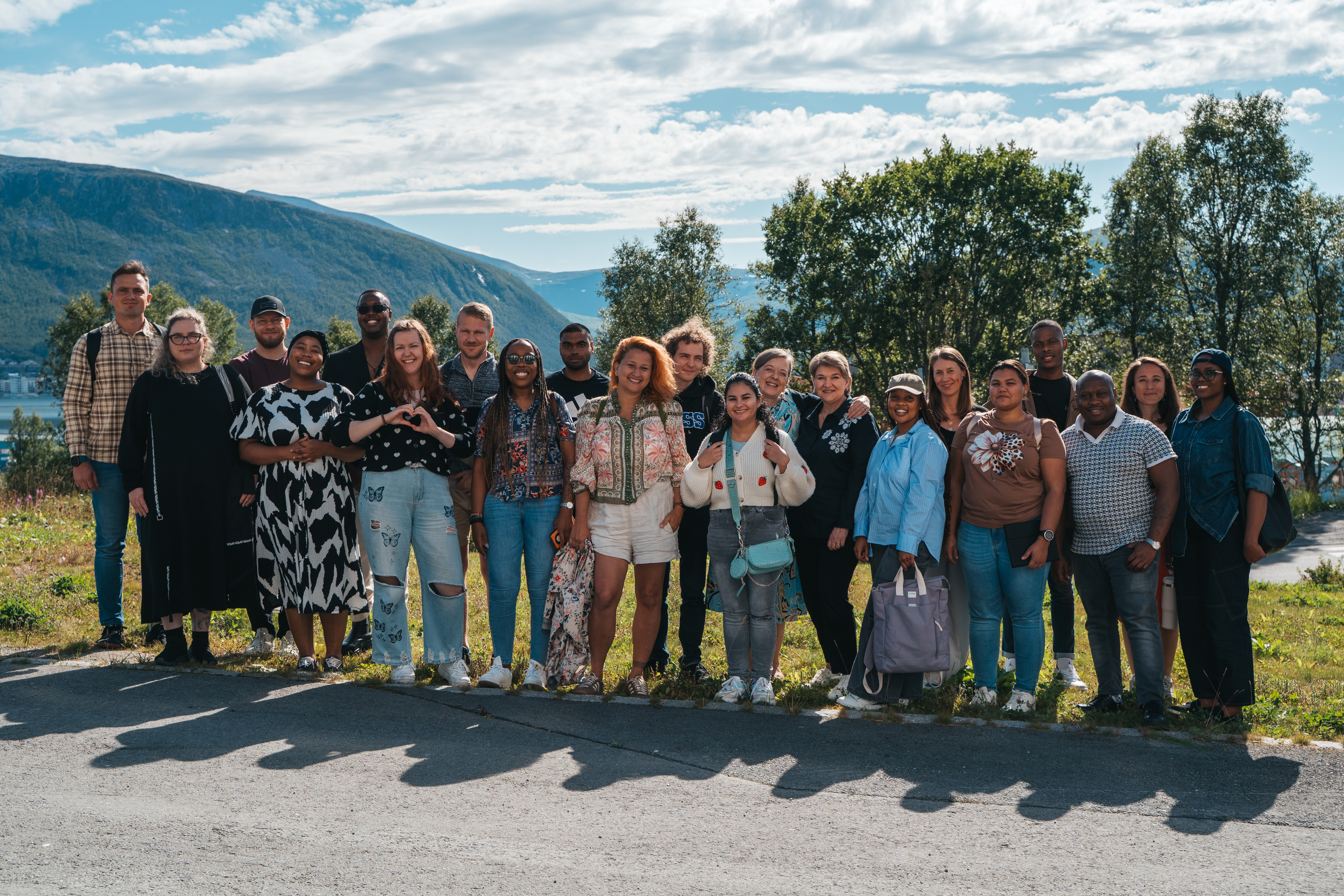
That is the topic when South Africans Louis and Shelvin meet Norwegians Simon and Jasmine at summer school last week.
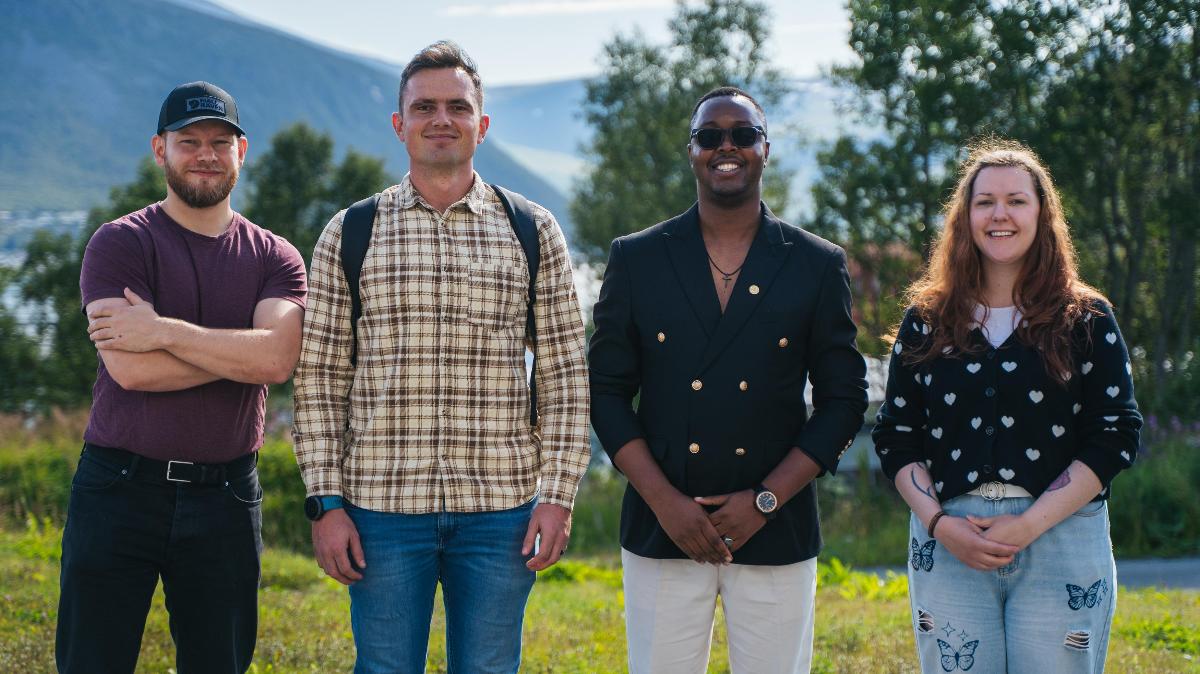

Last week, UiT is hosting the summer school GLOBESEC, where participants learn how different countries handle security threats such as climate change, cybersecurity, and migration.
Ten students have travelled all the way from the military academy at Stellenbosch University in South Africa, and one of them is PhD student Louis du Toit:
“This is a great experience! I’m learning a lot about international risk management that I can use in my research,” he says.
Endangered animals are handled differently
On the course, which was held in South Africa last year, there is a packed schedule with lectures, excursions, and group work.
Louis and Shelvin’s group is comparing national strategies for preserving endangered animal species.
“We are analysing how South Africa works to preserve rhinos compared to the Netherlands’ efforts to preserve bison,” explains Shelvin Mashao.
“The goal is to assess how effective the strategies are and propose improvements,” he says.
A different perspective on terrorism
The Norwegian students are also very pleased.
“We exchange knowledge – it’s fantastic,” says Jasmine Ludvigsen, who is about to start a master’s degree in Peace and Conflict Transformation.
Simon Omnes, who studies societal security, believes it is valuable to gain perspectives from the other side of the world.
“For example, their relationship to terrorism is quite different from ours. In Norway, we are concerned about terrorist attacks, whereas South Africa hasn’t experienced such attacks since apartheid,” he says.
“They focus more on social challenges such as the economy, gang violence, and xenophobia,” he explains.
Getting a close look at landslide risk
At the end of the week, the group will travel to Kåfjord and the unstable Nordnes Mountain, where a landslide could occur at any moment and trigger a tsunami.
There, the students will see how local emergency preparedness works in practice, and they will meet a local resident, Odd Erling, who lives with the threat of rockslides and flooding.
“I’m looking forward to getting out of the city, seeing the landslide barriers, and experiencing the nature with my own eyes,” says Louis.
Gaining insights they can use
When the school concludes on Friday, the students will leave with new insights into how to manage the security risks we face – both locally and globally.
Shelvin wishes to extend a special thanks to the lecturers, who have been very informative. He also sends his regards to the other students:
“They have been incredibly hospitable, and that has made the experience even better,” he says.
-
Fiskeri- og havbruksvitenskap - bachelor
Varighet: 3 År -
Fiskeri- og havbruksvitenskap - master
Varighet: 2 År -
Akvamedisin - master
Varighet: 5 År -
Peace and Conflict Transformation - master
Varighet: 2 År -
Computer Science - master
Varighet: 2 År -
Geosciences - master
Varighet: 2 År -
Biologi - bachelor
Varighet: 3 År -
Nordisk - årsstudium
Varighet: 1 År -
Historie - årsstudium
Varighet: 1 År -
Arkeologi - bachelor
Varighet: 3 År -
Pedagogikk - master
Varighet: 2 År -
Informatikk, datamaskinsystemer - bachelor
Varighet: 3 År -
Informatikk, sivilingeniør - master
Varighet: 5 År -
Allmenn litteraturvitenskap - årsstudium
Varighet: 1 År -
Geovitenskap- bachelor
Varighet: 3 År -
Farmasi - master
Varighet: 2 År -
Romfysikk, sivilingeniør - master
Varighet: 5 År -
Bærekraftig teknologi, ingeniør - bachelor
Varighet: 3 År -
Filosofi - bachelor
Varighet: 3 År -
Barnehagelærer - bachelor
Varighet: 3 År -
Anvendt fysikk og matematikk, sivilingeniør - master
Varighet: 5 År -
Organisasjon og ledelse for offentlig sektor - erfaringsbasert master
Varighet: 3 År -
Arctic Nature Guide - one year programme
Varighet: 1 År -
Arktisk friluftsliv og naturguiding - bachelor
Varighet: 3 År -
Arktisk friluftsliv - årsstudium
Varighet: 1 År -
Grunnskolelærerutdanning for 1.-7. trinn - master
Varighet: 5 År -
Governance and Entrepreneurship in Northern and Indigenous Areas - master
Varighet: 4 År -
Internasjonal beredskap - bachelor
Varighet: 3 År -
Realfagskurs
Varighet: 1 Semestre -
Landskapsarkitektur - master
Varighet: 5 År -
Grunnskolelærerutdanning for 5.-10. trinn - master
Varighet: 5 År -
Ph.d.-program i naturvitenskap
Varighet: 3 År -
Environmental Law - master
Varighet: 2 År -
Ph.d.-program i humaniora og samfunnsvitenskap
Varighet: 3 År -
Nordic Urban Planning Studies - master
Varighet: 2 År -
Ph.d.-program i realfag
Varighet: 3 År -
Samfunnsøkonomi med datavitenskap - master
Varighet: 2 År -
Luftfartsvitenskap - master
Varighet: 3 År -
PhD Programme in Science
Varighet: 3 År -
PhD programme in Nautical Operations
Varighet: 3 År -
Filosofi - årsstudium
Varighet: 1 År -
Lektor i språk og samfunnsfag trinn 8-13 - master
Varighet: 5 År -
Fysikk og matematikk - bachelor
Varighet: 3 År -
Ocean Leadership - Executive master
Varighet: 3 År -
Havteknologi, ingeniør - bachelor (ordinær, y-vei)
Varighet: 3 År -
Bevegelige bilder - bachelor
Varighet: 3 År -
Contemporary Risk and Crisis Management - master
Varighet: 2 År -
Informatikk, datafag - bachelor
Varighet: 3 År -
Computer Science - master
Varighet: 4 År -
Fornybar energi, sivilingeniør - master
Varighet: 5 År