
Extreme 2025 Expedition: Exploring Arctic Extreme environments and climate dynamics
The Department of Geoscience at UiT announces the countdown to the Extreme 2025 expedition in the Barents Sea, a collaborative effort to study extreme environments. Scientists, researchers, students, and artists from around the world will participate in this exciting mission to explore the Arctic's extreme ecosystems. Their aim is to develop innovative methods for examining and preserving these challenging habitats, both within the Arctic and globally. This multidisciplinary venture seeks to enhance our understanding of the Arctic's ecological importance, its climate processes, and the complex interactions between human activities and natural systems.
Press release, 20 October 2025
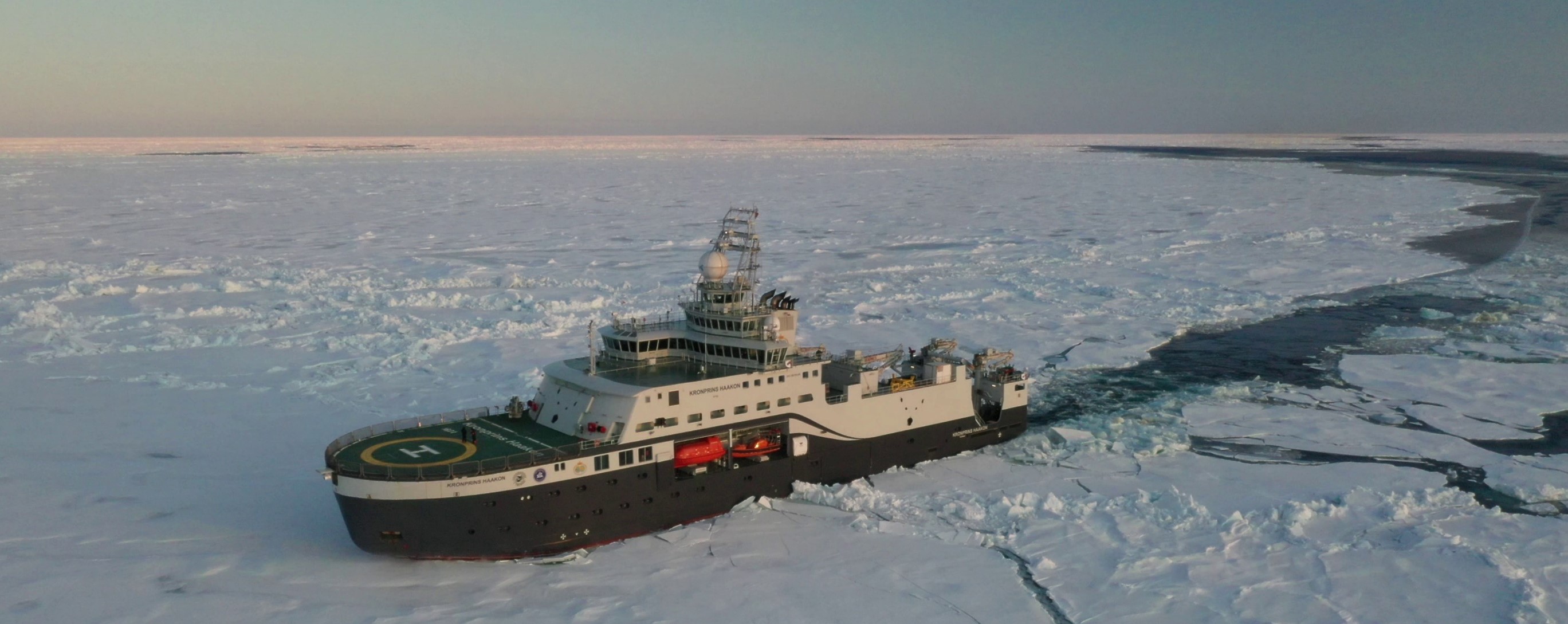
The EXTREME25 journey will set sail from Longyearbyen, Svalbard, on 11 November aboard the RV Kronprins Haakon. This expedition marks the second phase of UiT's EXTREME mission, which began last year and builds on the experience gained from previous centre of excellence CAGE, the AKMA project, and the discoveries made in 2023 of the Borealis Mud Volcano.
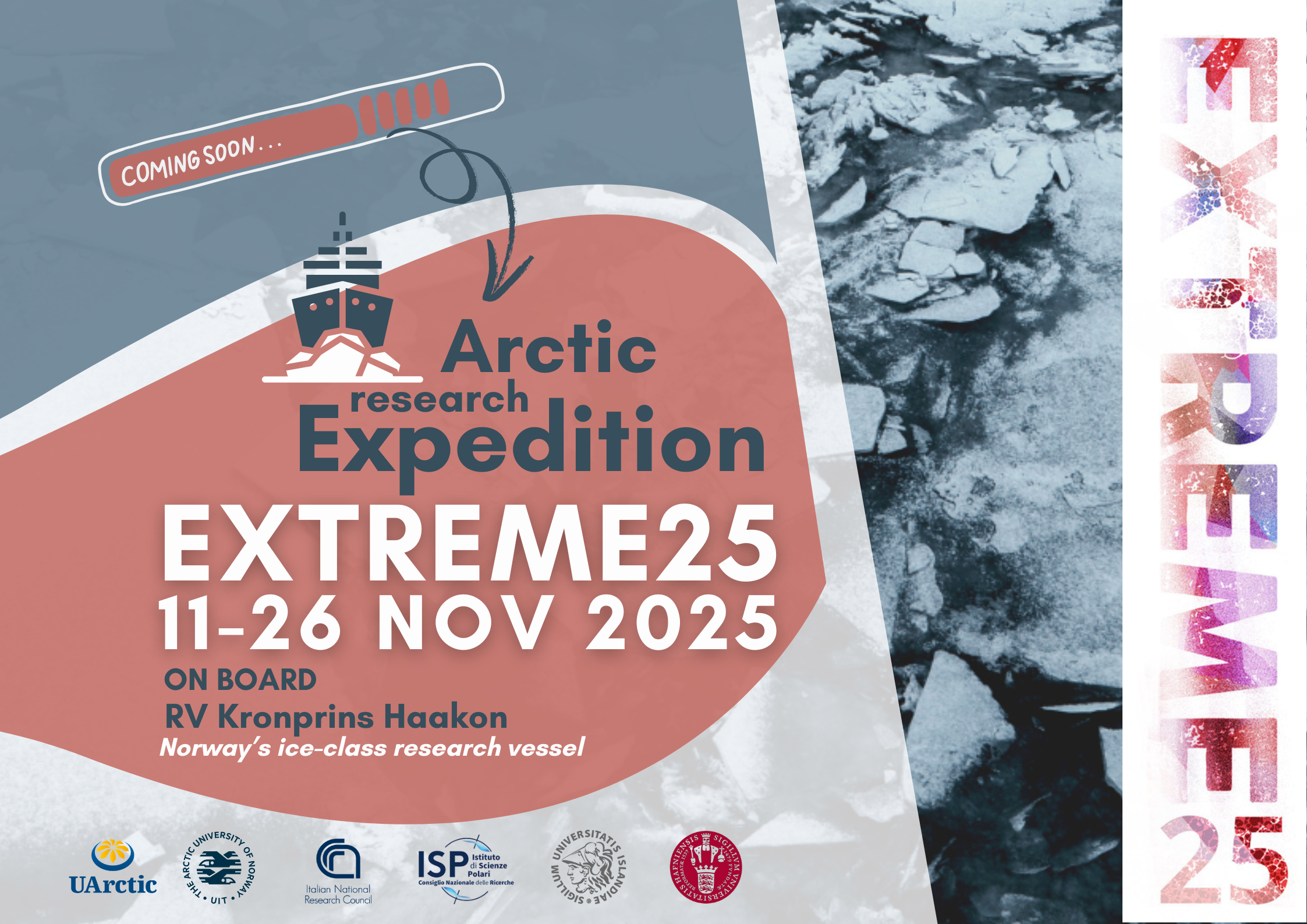
The expedition is led by the Department of Geosciences at UiT The Arctic University of Norway, in collaboration with various esteemed institutions, including several institutes of the Italian National Research Council (CNR), the CNR Institute of Polar Science, the University of Copenhagen (Department of Arts and Cultural Studies and PASS - Center for Practice-Based Art Studies), the University of Iceland Research Centre in Þingeyjarsveit, the University of Bergen, the Woods Hole Oceanographic Institution (WHOI), and the University of Naples Federico II.

The upcoming research cruise consists of two legs, both departing from Longyearbyen (Svalbard). The first leg will take place from 11 to 19 November, followed by the second leg starting on 19 November and concluding in Tromsø, Norway, on 26 November.
The cruise will focus on the interactions between changing ocean conditions and the physical, biological, and chemical responses in extreme environments, including hydrothermal vents and areas where methane and oil seep. Researchers will specifically study two main sites: the Molloy Deep-Knipovich Ridge hydrothermal vent areas, known for their unique geological features and diverse ecosystems, and the newly discovered cold seeps in the Barents Sea, which may offer insights into biological processes and environmental conditions in deep-sea ecosystems.
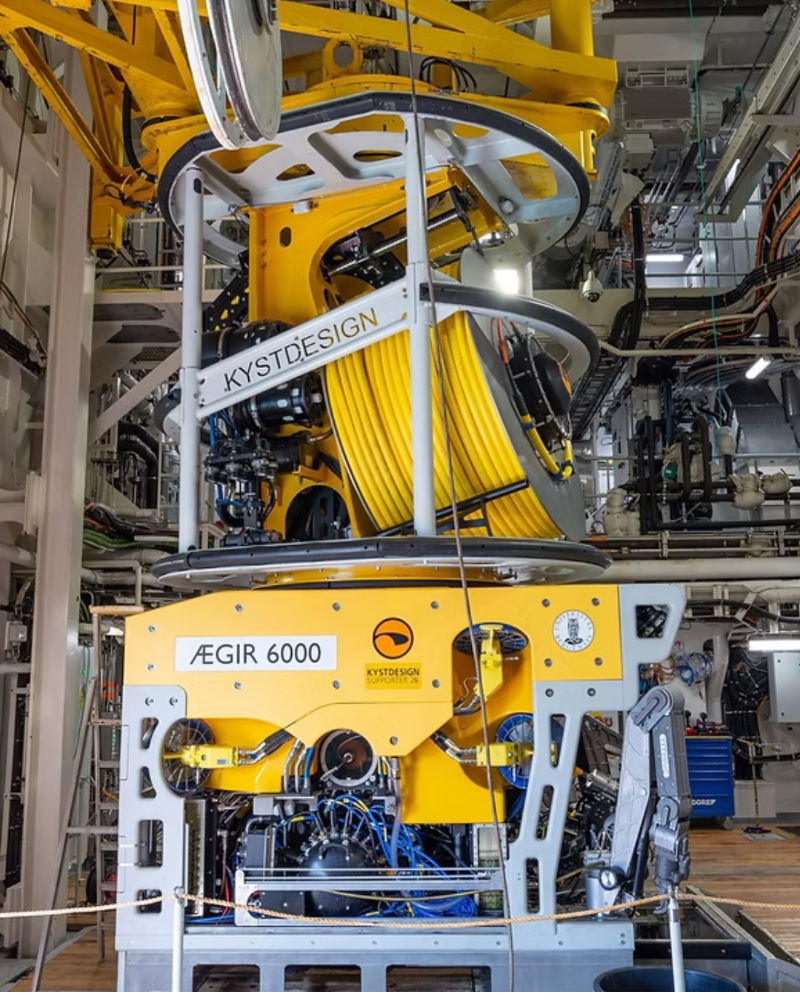
This expedition adopts a multidisciplinary approach by bringing together scientists, researchers, media experts, and artists from all over the world. By combining scientific exploration with artistic expression, the participants aim to highlight the urgent challenges faced by this fragile ecosystem and emphasise the critical need for conservation. Through collaborative research and creative interpretations, this partnership seeks to uncover the wonders and complexities of the Arctic, promoting informed discussions on environmental sustainability and climate change.
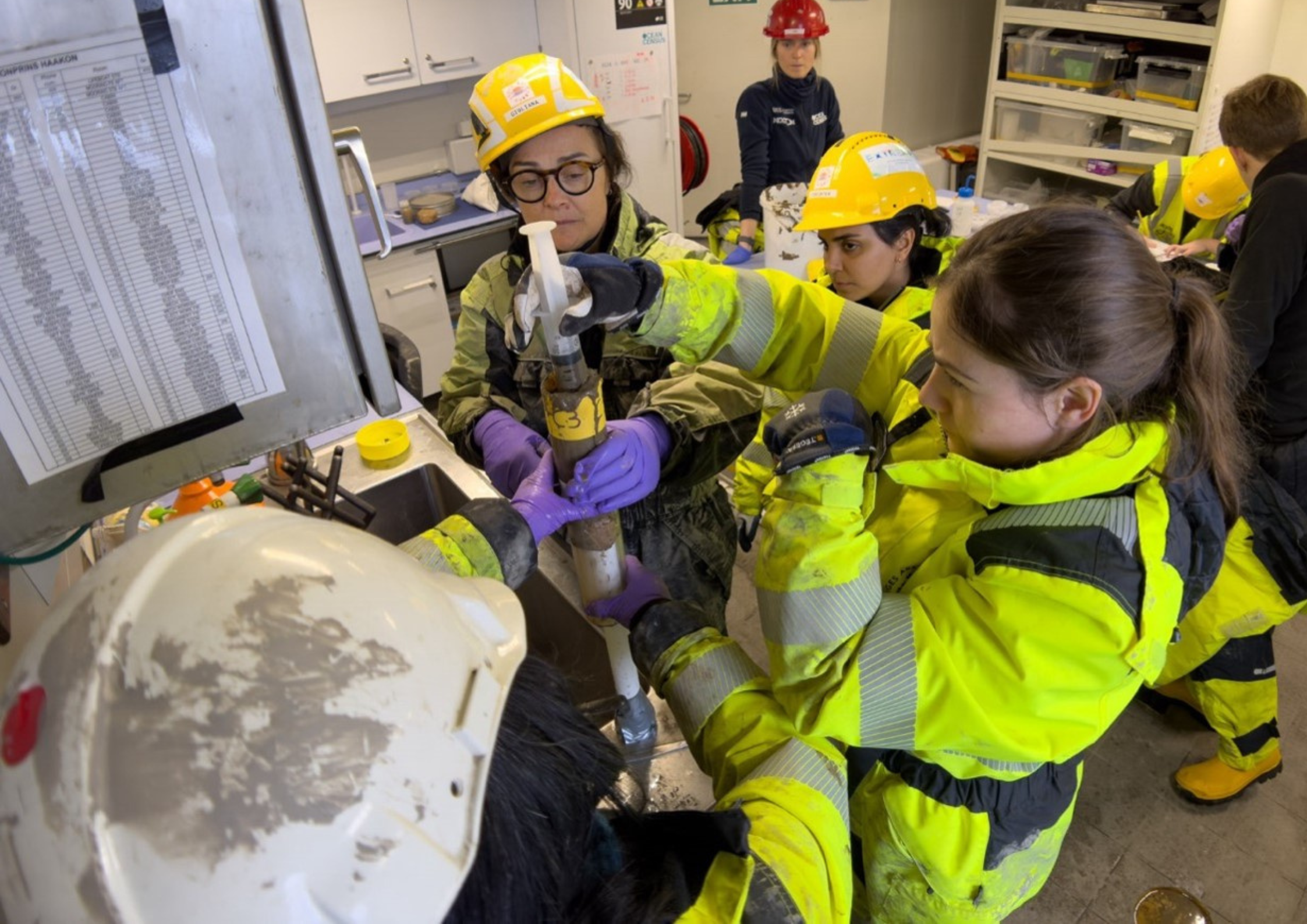
Another significant aspect of this high-level scientific voyage is the opportunity for students to engage in hands-on sea-going training. This experience will enhance their skills in collecting, curating, and analysing samples and data, allowing them to participate in Arctic marine science fully.
We extend our best wishes to the expedition team for a productive exploration and look forward to following their thrilling adventures. Please stay tuned for forthcoming updates regarding theEXTREME 25 expedition.
For additional information or to request images, please contact:
Principal Investigator: Giuliana Panieri (UiT) -
E-mail: giuliana.panieri@uit.no
Co-Principal Investigator: Claudio Argentino (UiT)
E-mail: claudio.argentino@uit.no
Communication advisor: Valentina Lanci (UiT)
E-mail: valentina.lanci@uit.no