Climate change and the hidden threat to our buildings: Dry-rot fungus on the rise! 🌱
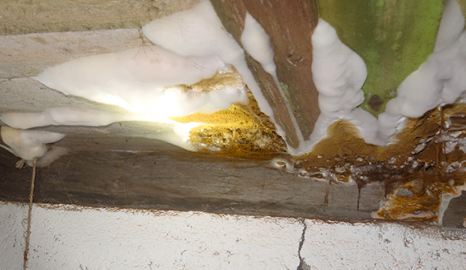
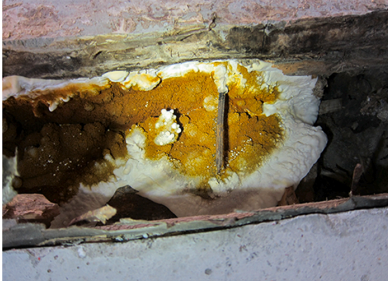
A study about the consequence of climate change: the increasing risk of dry-rot fungus Serpula lacrymans in Sweden's buildings.
Key findings include:
Spread to Northern Sweden: The fungus is expected to spread to northern regions, while infection rates in southern Sweden may decline but not disappear.
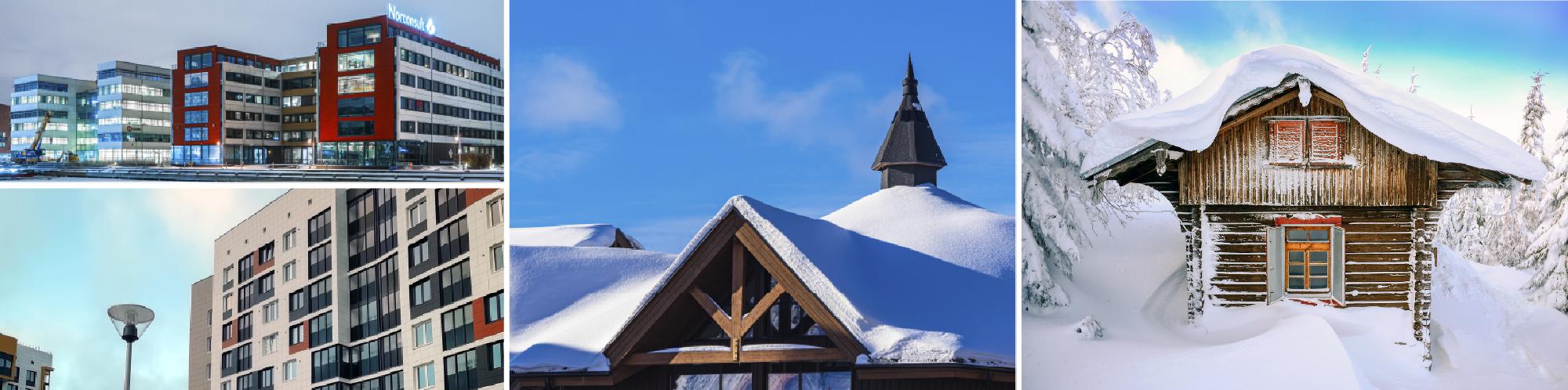
High-Risk Buildings: Wooden buildings constructed before 1980 with chimneys and self-ventilation are particularly vulnerable.
Economic Impact: Repair costs are significant, making some buildings economically unviable, especially in rural areas.
Climate Correlation: A strong link was found between the time buildings were exposed to optimal growth temperatures (21°C to 25°C) and freezing temperatures (-1°C to 1°C) and the risk of infection.
Future Projections: By 2050, optimal growth temperatures are expected to increase across Sweden, leading to continued fungal spread, especially in northern regions. By 2080, a decrease in freezing temperatures may reduce infection rates.
This study underscores the importance of addressing climate change to protect our built environment. 🌍🏠