Strengthens Administrative Staff Capacity Through Digital Skills Training for Project Management - AAU
The Africa Center of Excellence for Water Management (ACEWM), under the College of Natural and Computational Sciences (CNCS) at Addis Ababa University (AAU), in collaboration with the Office of the Executive Dean of CNCS, conducted a specialized training program to strengthen the digital project management skills of administrative staff. The initiative is part of the capacity-development efforts under the NORHED II project (2021–2026), funded by the Norwegian Agency for Development Cooperation (NORAD).
The Africa Center of Excellence for Water Management (ACEWM), under the College of Natural and Computational Sciences (CNCS) at Addis Ababa University (AAU), in collaboration with the Office of the Executive Dean of CNCS, conducted a specialized training program to strengthen the digital project management skills of administrative staff.
The initiative is part of the capacity-development efforts under the NORHED II project (2021–2026), funded by the Norwegian Agency for Development Cooperation (NORAD). ACEWM implements the project at Addis Ababa University in partnership with UiT – The Arctic University of Norway. The program supports NORHED II’s capacity-development priorities by strengthening institutional systems, enhancing staff competencies, and introducing modern approaches to project management and reporting.
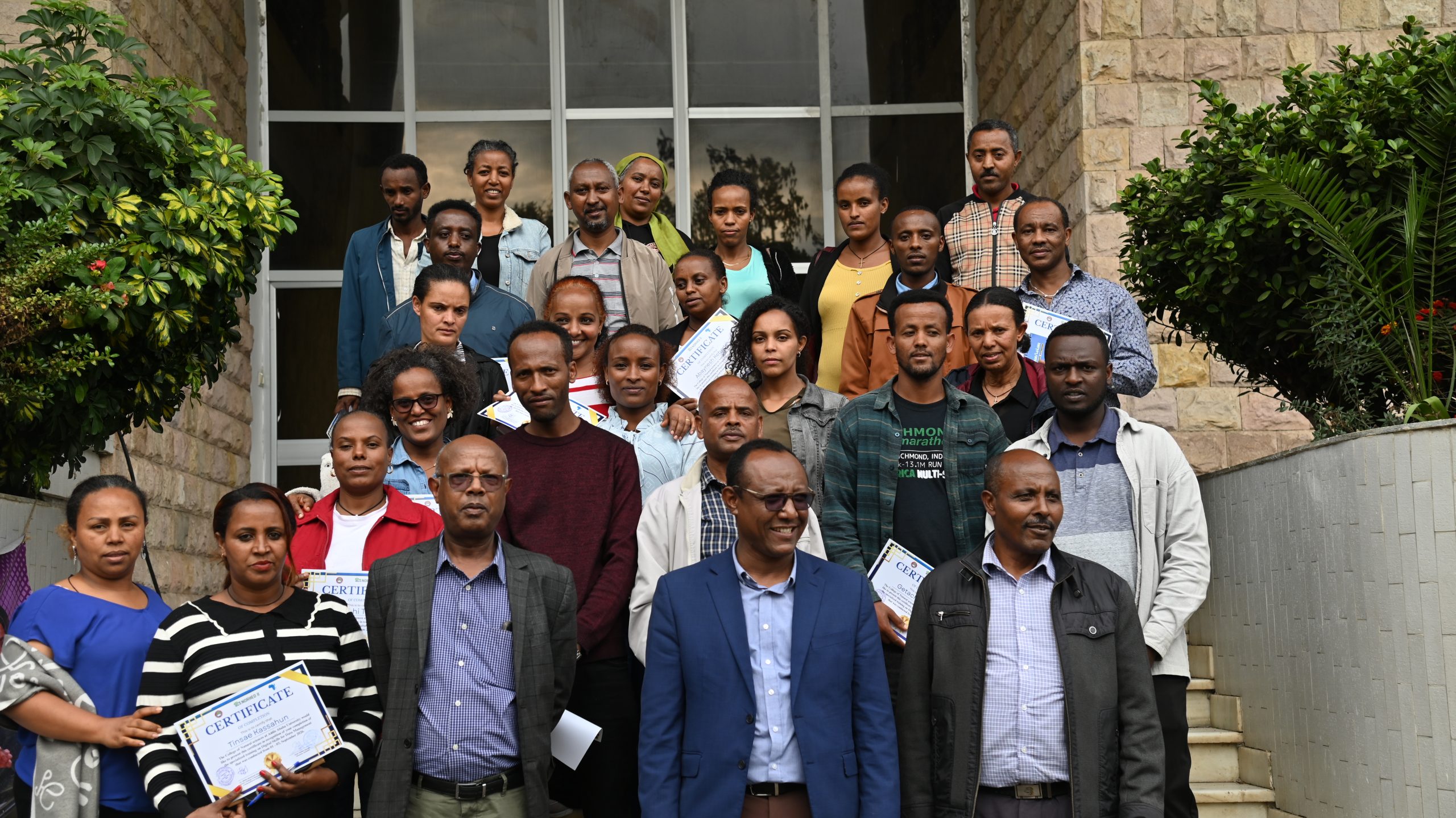
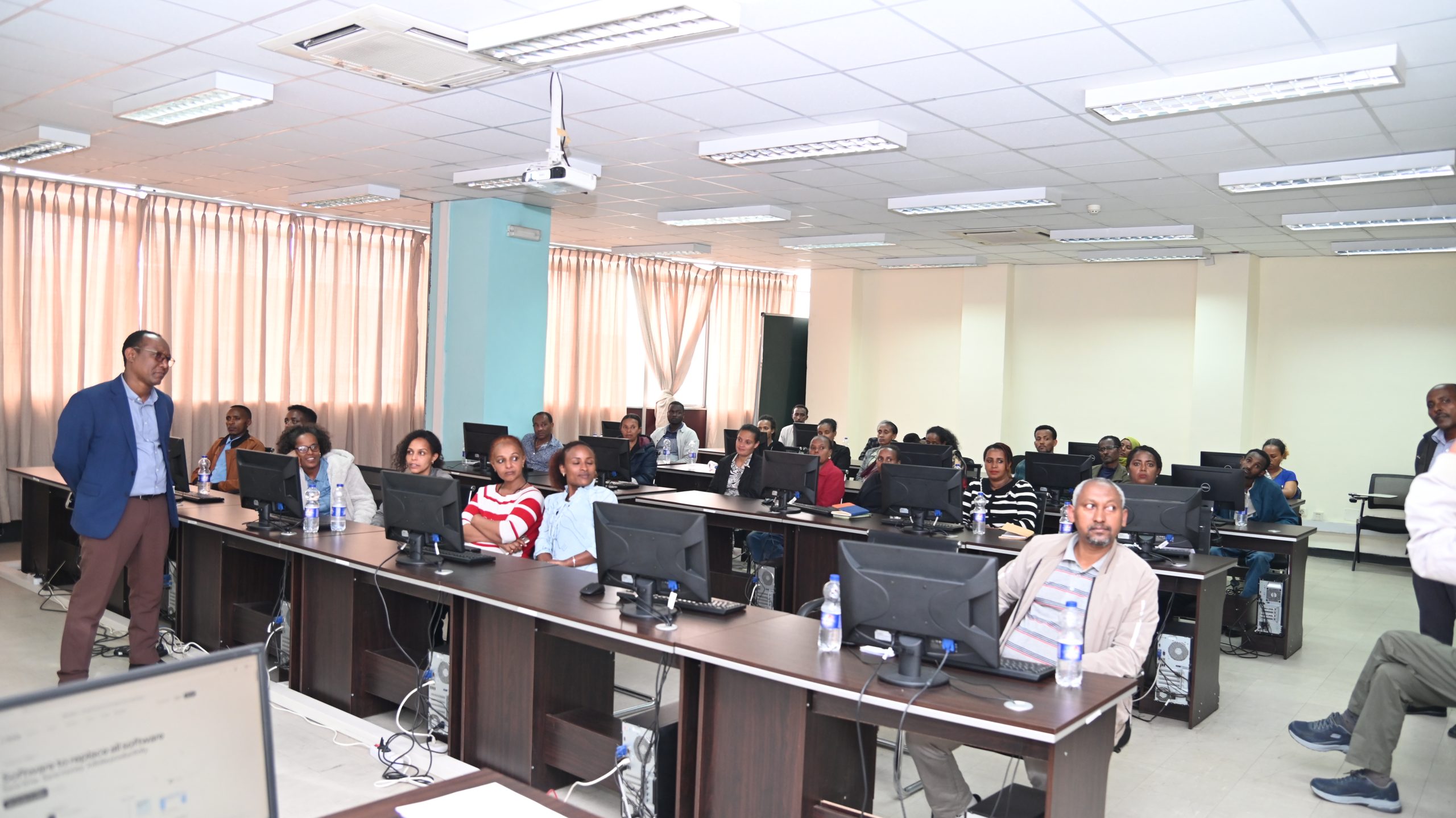
The Digital Skills for Project Management training was organized for staff working in project management, finance and procurement, and human resource management. A total of 34 trainees participated in two cohorts. The first cohort, comprising 15 trainees, attended the three-day training from August 26 to 28, 2026, while the second cohort, consisting of 19 trainees, participated from September 1 to 3, 2026.
The training responds to the growing complexity of project administration at CNCS, which manages more than 50 active research projects across its schools, research centers, and academic departments. The training document identifies fragmented project administration; reliance on manual spreadsheets, email communication, and paper-based records; and limited use of integrated digital tools as key challenges. These challenges can contribute to delays in reporting, limited project visibility, unclear accountability, and difficulties in resource monitoring.
The three-day intensive program focused on equipping administrative staff with practical skills in Microsoft Excel and Microsoft Project, enabling them to plan, execute, monitor, and report on projects more efficiently. Participants learned project planning and scheduling, task management and delegation, progress monitoring, budget and resource tracking, spreadsheet data processing, advanced formulas, cross-sheet data manipulation, and consolidated report generation.
By the end of the training, participants were expected to demonstrate the ability to develop project plans with clearly defined tasks, responsibilities, and timelines; monitor progress through dashboards and project views; track expenditures against budgets; maintain project master data; generate consolidated reports; and prepare project status reports for stakeholders. Here