UiT Aims to Be the Hub for the Next International Polar Year
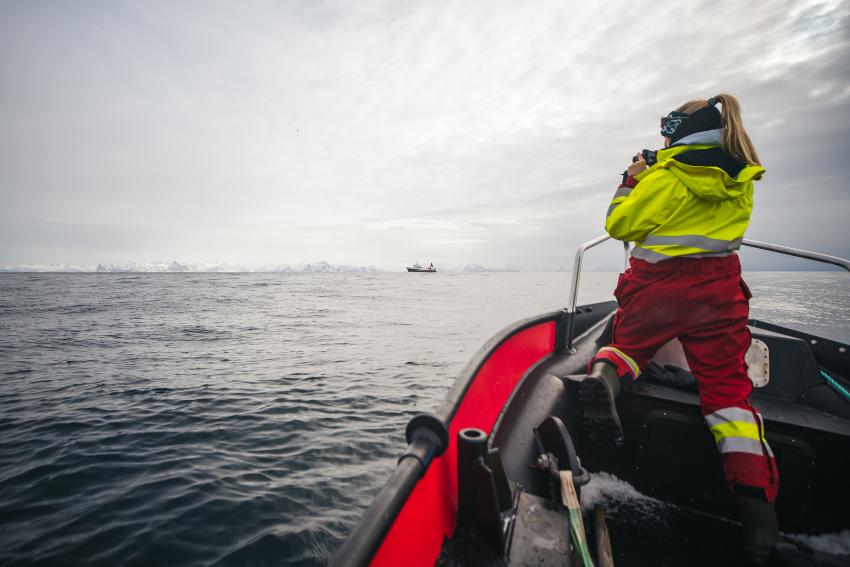
UiT The Arctic University of Norway has applied to host the international secretariat for the International Polar Year 2032–2033.

"Norway is a leading polar research nation, and it is very positive that UiT – The Arctic University of Norway is taking leadership in the planning of the upcoming International Polar Year in 2032–2033. This research is crucial for our security," says Minister of Research and Higher Education, Sigrun Aasland.
The secretariat will coordinate the global research efforts related to the polar regions over a period of nearly eight years.
Extensive International Support
The application is backed by an international consortium led by UiT, in collaboration with the Norwegian Polar Institute, the Korea Polar Research Institute (KOPRI) in South Korea, and the Chilean Antarctic Institute (INACH) in Chile. The application has received support from 20 international institutions, including organisations in Germany, the United Kingdom, the United States, India, and China.
If the application is approved, Tromsø will become the main base for the secretariat, with international nodes in South Korea and Chile. The office is planned to be established in January 2027.
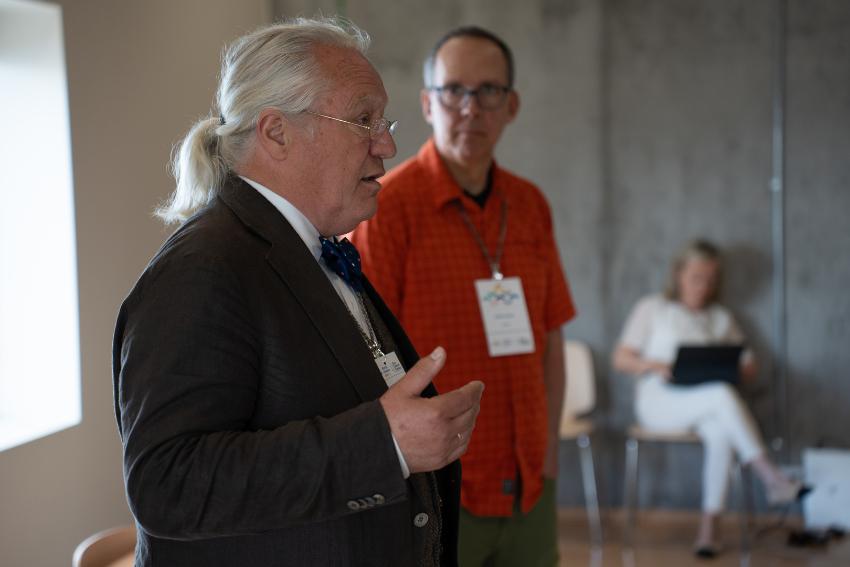
"Over many decades, Norway has built strong academic communities and international collaborations in polar research. With the expertise we have gathered in Tromsø and across the country, we believe Norway is well-equipped to take responsibility for coordinating the next IPY," says Jørgen Berge, Prorector for Research and Innovation at UiT.
Advancing the International Polar Year
The IPY has traditionally been conducted on a 50-year cycle since 1882. The initiative is driven by major international scientific organisations and other global stakeholders.
The most recent IPY took place in 2007–2008. The upcoming International Polar Year is therefore occurring earlier than the traditional 50-year cycle. The reason for this is climate change.
"The changes we are witnessing in the polar regions are happening so rapidly that the need for new knowledge and international coordination is far more urgent than before. That is why this IPY is being brought forward," says Berge.
Requires Close Collaboration
The goal of the IPY is to provide the world with a much stronger knowledge base about the significance of the polar regions, not only in terms of climate but also geopolitically and socially.
"The polar regions influence far more than just the local climate in the north and south. It also concerns global societal changes, geopolitics, resource management, and how people live and work in these areas. The ambition is to strengthen the knowledge base across many disciplines," he says.
"To succeed with a project of this scale, close collaboration between research communities and nations is essential. The role of the secretariat will be to ensure that activities are coordinated and that knowledge, data, and resources are utilised as effectively as possible," says Berge.
The secretariat will be operational throughout the planning and implementation phases, and its work will continue even after the International Polar Year has concluded. The initiative has an estimated total budget of over 100 million Norwegian kroner.
A decision on who will host the international secretariat is expected by July.
-
Arkeologi - master
Varighet: 2 År -
Peace and Conflict Transformation - master
Varighet: 2 År -
Geosciences - master
Varighet: 2 År -
Biology - master
Varighet: 2 År -
Technology and Safety - master
Varighet: 2 År -
Law of the Sea - master
Varighet: 3 Semestre -
Biologi - bachelor
Varighet: 3 År -
Nordisk - årsstudium
Varighet: 1 År -
Luftfartsfag - bachelor
Varighet: 3 År -
Pedagogikk - bachelor
Varighet: 3 År -
Arkeologi - bachelor
Varighet: 3 År -
Likestilling og kjønn - årsstudium
Varighet: 1 År -
Historie - bachelor
Varighet: 3 År -
Geovitenskap- bachelor
Varighet: 3 År -
Samfunnssikkerhet - bachelor
Varighet: 3 År -
Samfunnssikkerhet - master
Varighet: 2 År -
Kunst - bachelor
Varighet: 3 År -
Kunsthistorie - master
Varighet: 2 År -
Religionsvitenskap - årsstudium
Varighet: 1 År -
Romfysikk, sivilingeniør - master
Varighet: 5 År -
Sosialantropologi - bachelor
Varighet: 3 År -
Historie - master
Varighet: 2 År -
Anvendt fysikk og matematikk, sivilingeniør - master
Varighet: 5 År -
Barnevernsarbeid - master
Varighet: 2 År -
Forfatterstudium 2 - årsstudium
Varighet: 1 År -
Fine Art - master
Varighet: 2 År -
Barnevern - bachelor
Varighet: 3 År -
Arctic Nature Guide - one year programme
Varighet: 1 År -
Sosialt arbeid - bachelor
Varighet: 3 År -
Arktisk friluftsliv og naturguiding - bachelor
Varighet: 3 År -
Arktisk friluftsliv - årsstudium
Varighet: 1 År -
Grunnskolelærerutdanning for 1.-7. trinn - master
Varighet: 5 År -
Kunsthistorie - årsstudium
Varighet: 1 År -
Governance and Entrepreneurship in Northern and Indigenous Areas - master
Varighet: 4 År -
Vernepleie - bachelor
Varighet: 3 År -
Internasjonal beredskap - bachelor
Varighet: 3 År -
Barnevern - bachelor
Varighet: 3 År -
Vernepleie - bachelor
Varighet: 4 År -
Landskapsarkitektur - master
Varighet: 5 År -
Grunnskolelærerutdanning for 5.-10. trinn - master
Varighet: 5 År -
Kvensk og finsk - bachelor
Varighet: 3 År -
Nordisk språk og litteratur - bachelor
Varighet: 3 År -
Russisk og russlandsstudier - bachelor
Varighet: 3 År -
Ph.d.-program i naturvitenskap
Varighet: 3 År -
Russisk og russlandsstudier - master
Varighet: 2 År -
Environmental Law - master
Varighet: 2 År -
Nordisk språk og litteratur - master
Varighet: 2 År -
Kvensk og finsk - master
Varighet: 3 År -
Ph.d.-program i realfag
Varighet: 3 År -
Velferdsendring - erfaringsbasert master
Varighet: 4 År