International Relations and Science Diplomacy
How can science be used as a tool in foreign policy and security issues? Professor Rasmus Gjedssø Bertelsen has extensive experience in science diplomacy and adressed the question during the course Arctic Future Pathfinders.
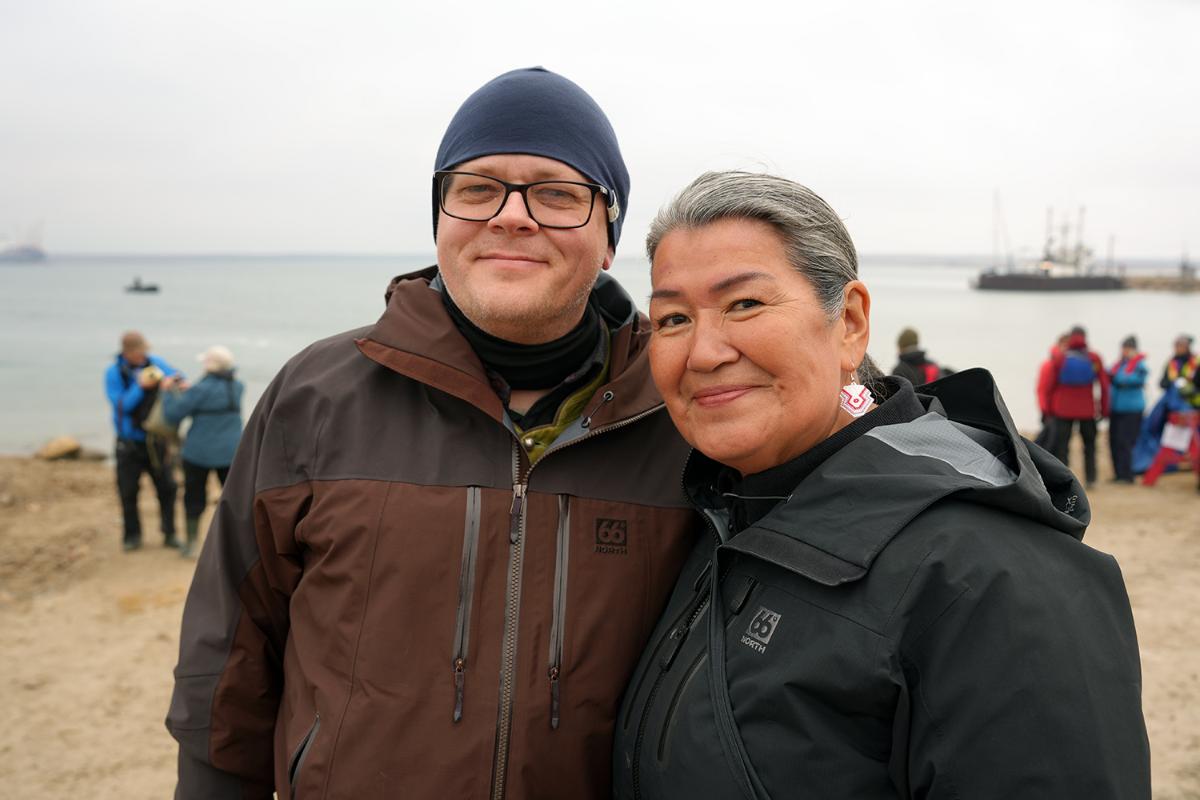
Rasmus Gjedssø Bertelsen is a professor of Northern Studies at UiT The Arctic University of Norway and has a comprehensive background in European science diplomacy. He recently taught at the student course Arctic Future Pathfinders in Iqaluktuuttiaq (Cambridge Bay), Nunavut, Canada.
"Political science is highly conceptual and abstract. It’s not necessarily about measuring something more precisely, but about developing concepts to structure conversations and understanding," says Bertelsen.
Science Diplomacy as a Bridge Builder
During a lecture, Bertelsen introduced the concept of "science diplomacy" and emphasized how it can connect abstract ideas with practical political considerations.
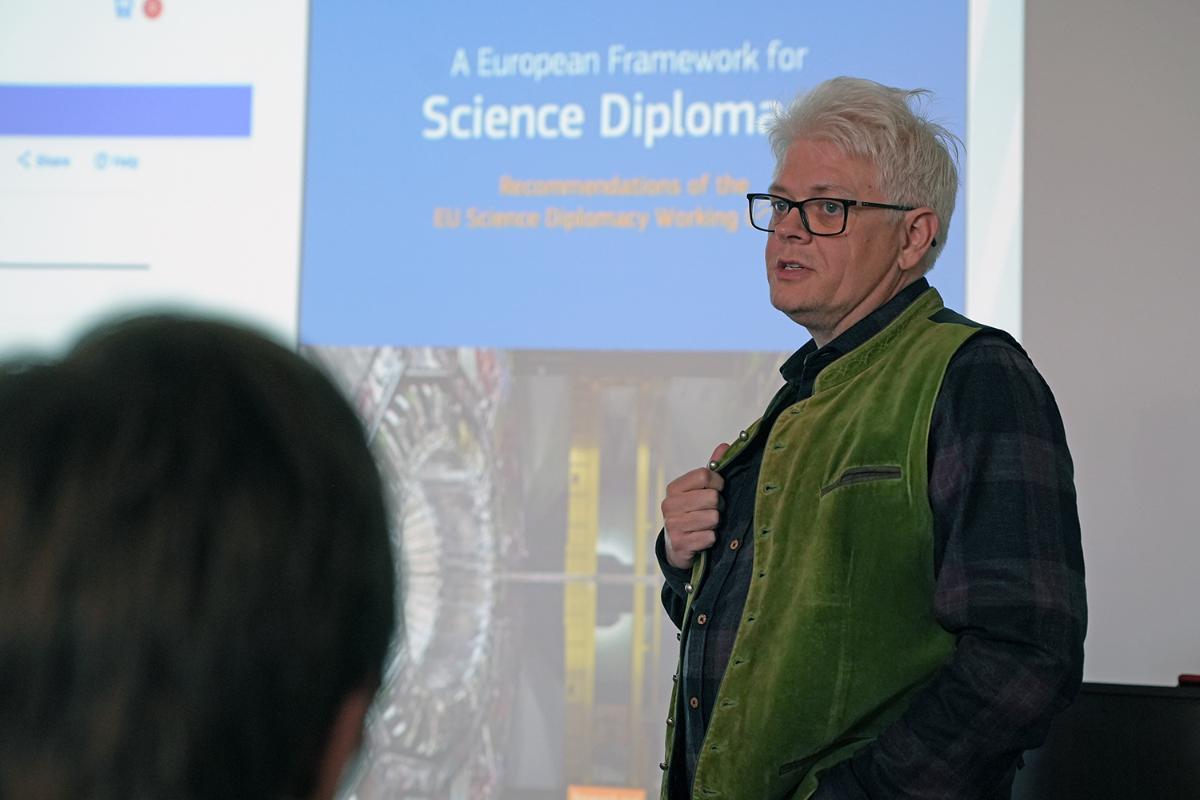
"Science diplomacy is about using scientific relationships for foreign policy and security purposes," he explains.
He highlighted examples such as the Arctic Council member states’ 2017 agreement to enhance international Arctic scientific cooperation. Bertelsen also stressed the critical role of science and technology in international relations.
"Relative power is about population, economic development, and science and technology. When the rest of the world becomes wealthier and more technologically advanced, the balance of power shifts dramatically," says Bertelsen.
Academics as bridge builders
He also pointed to challenges related to dual-use technology, where science can be applied for both civilian and military purposes, as well as concerns about blending intelligence activities with academic research.
"These are practical problems that require practical solutions," he says.
However, he warns against what he calls "moral panic" surrounding academic exchange with countries like China and Russia.
“We do research and collaborate based on our interests, and we must be careful not to turn academic collaboration into a reward for good behavior,” he emphasizes.
Bertelsen has experience with platforms such as the China-Nordic Arctic Research Center and has participated in high-level meetings in Russia.
"When diplomats refuse to talk to each other, academics can often serve as bridge builders," he says, pointing to examples of how such meetings have fostered dialogue between nations.
"Science and technology are not just tools for development but also for understanding and collaboration across borders," he adds.
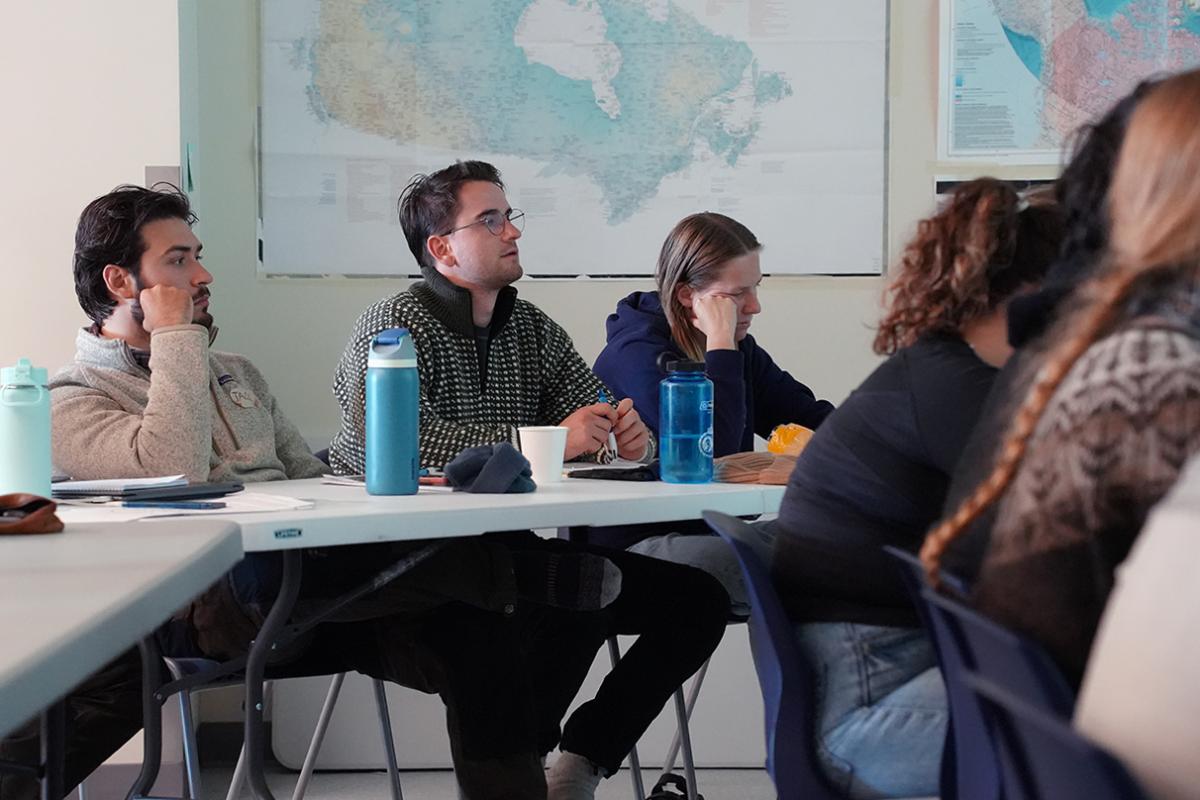
Collaboration with Canada and Nunavut
During the lecture, Professor David Hik, Chief Scientist and Vice President for Research at Polar Knowledge Canada, also participated. He explained that the research institution, which is celebrating it’s 10th anniversary, plays a key role in advancing research and knowledge about the Arctic.
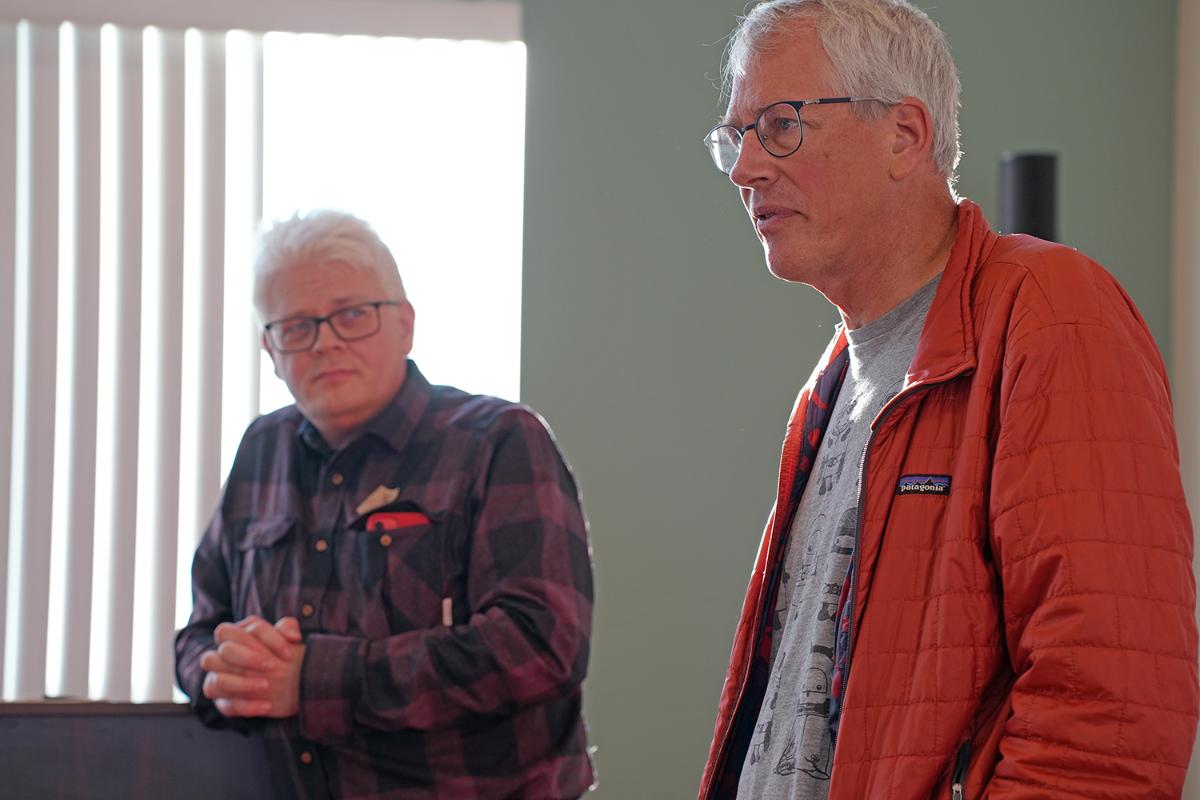
"We are responsible for advancing knowledge about the Canadian North, but also for building partnerships with Indigenous leadership and local communities. Science diplomacy is about how we negotiate relationships with each other and with other communities," says Hik.
Hik noted that Iqaluktuuttiaq has become a hub for Arctic research.
"The government decided that this was the best place to have Canada’s northern research organization, and we are growing into that role," says Hik.
Collaboration with Indigenous Communities and Future Research
Hik emphasized the importance of including Indigenous knowledge in research.
"Indigenous knowledge must not just be included in parallel but must form the foundation of the work we do in the North," he says.
He described this as an opportunity to build capacity in reverse and create more sustainable solutions for the future.
"It’s a long way from Brussels to Cambridge Bay, but we need to focus more on what’s happening here in the North. The future must be shaped by those who live here, not by external actors," says Hik, before concluding:
"Science diplomacy is about creating conditions that strengthen our ability to address global challenges. But we must ensure that science is used to strengthen common interests, not undermine them."
Kortnytt fra Communication Section
-
Arkeologi - master
Varighet: 2 År -
Peace and Conflict Transformation - master
Varighet: 2 År -
Geosciences - master
Varighet: 2 År -
Biology - master
Varighet: 2 År -
Technology and Safety - master
Varighet: 2 År -
Law of the Sea - master
Varighet: 3 Semestre -
Biologi - bachelor
Varighet: 3 År -
Nordisk - årsstudium
Varighet: 1 År -
Luftfartsfag - bachelor
Varighet: 3 År -
Pedagogikk - bachelor
Varighet: 3 År -
Arkeologi - bachelor
Varighet: 3 År -
Likestilling og kjønn - årsstudium
Varighet: 1 År -
Historie - bachelor
Varighet: 3 År -
Geovitenskap- bachelor
Varighet: 3 År -
Samfunnssikkerhet - bachelor
Varighet: 3 År -
Samfunnssikkerhet - master
Varighet: 2 År -
Kunst - bachelor
Varighet: 3 År -
Kunsthistorie - master
Varighet: 2 År -
Religionsvitenskap - årsstudium
Varighet: 1 År -
Romfysikk, sivilingeniør - master
Varighet: 5 År -
Sosialantropologi - bachelor
Varighet: 3 År -
Historie - master
Varighet: 2 År -
Anvendt fysikk og matematikk, sivilingeniør - master
Varighet: 5 År -
Barnevernsarbeid - master
Varighet: 2 År -
Forfatterstudium 2 - årsstudium
Varighet: 1 År -
Fine Art - master
Varighet: 2 År -
Barnevern - bachelor
Varighet: 3 År -
Arctic Nature Guide - one year programme
Varighet: 1 År -
Sosialt arbeid - bachelor
Varighet: 3 År -
Arktisk friluftsliv og naturguiding - bachelor
Varighet: 3 År -
Arktisk friluftsliv - årsstudium
Varighet: 1 År -
Grunnskolelærerutdanning for 1.-7. trinn - master
Varighet: 5 År -
Kunsthistorie - årsstudium
Varighet: 1 År -
Governance and Entrepreneurship in Northern and Indigenous Areas - master
Varighet: 4 År -
Vernepleie - bachelor
Varighet: 3 År -
Internasjonal beredskap - bachelor
Varighet: 3 År -
Barnevern - bachelor
Varighet: 3 År -
Vernepleie - bachelor
Varighet: 4 År -
Landskapsarkitektur - master
Varighet: 5 År -
Grunnskolelærerutdanning for 5.-10. trinn - master
Varighet: 5 År -
Kvensk og finsk - bachelor
Varighet: 3 År -
Nordisk språk og litteratur - bachelor
Varighet: 3 År -
Russisk og russlandsstudier - bachelor
Varighet: 3 År -
Ph.d.-program i naturvitenskap
Varighet: 3 År -
Russisk og russlandsstudier - master
Varighet: 2 År -
Environmental Law - master
Varighet: 2 År -
Nordisk språk og litteratur - master
Varighet: 2 År -
Kvensk og finsk - master
Varighet: 3 År -
Ph.d.-program i realfag
Varighet: 3 År -
Velferdsendring - erfaringsbasert master
Varighet: 4 År