Exploring Governance: A Relational and Constructed Practice
Governance, often perceived as a rigid system of rules and regulations, is far more nuanced and dynamic. In a recent lecture, Daniel Jensen, a scholar specializing in marine governance, shared his insights into the relational and constructed nature of governance, offering both theoretical perspectives and real-world examples.

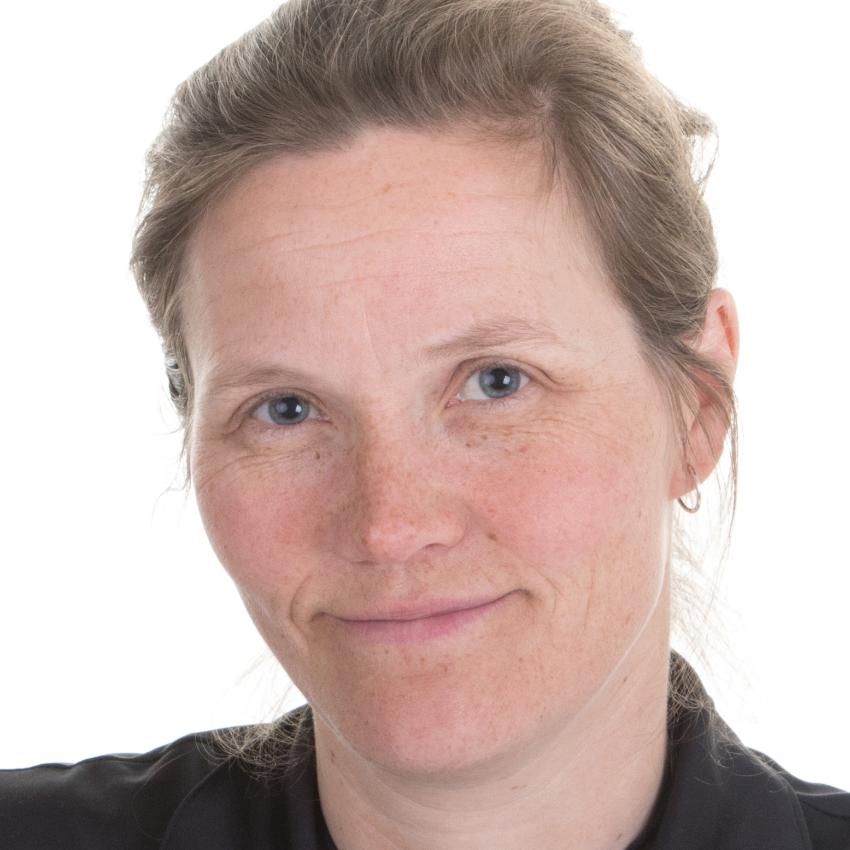
"Governance is not just about regulatory systems such as data governance or corporate governance," explained Jensen. "It’s a practice we co-produce to organize society in desirable and agreed-upon manners."
Jensen emphasized that governance involves the coordination of actors, institutions, knowledge, technologies, morals, and ethics to create order in society’s relations with its inhabitants and nature. This order governs not individuals directly but their actions and interactions within society.
"Governance is a complex art," he said. "It exists in many forms—community-based governance, top-down governance by state nations, or consensus governance like we see in Nunavut. It’s something that happens continuously, is ever-changing, and a practice that requires foundational arrangements, like democracy, to keep it going."
The Role of Governmentality
Jensen introduced the concept of "governmentality," which he described as the more elusive but crucial aspect of governance. If the development of regulations and laws is the act of governing, governmentality can be considered the art of governing.
"Governmentality is about understanding why people adhere to laws and regulations," he said. "It’s about how we develop and rationalise shared visions or images of how we should live together. To illustrate simply, in this classroom, we all have a shared understanding of how a lecture works. That’s why I can stand here and talk without interruptions—it’s a behavior shaped by years of shared experiences in the school system."
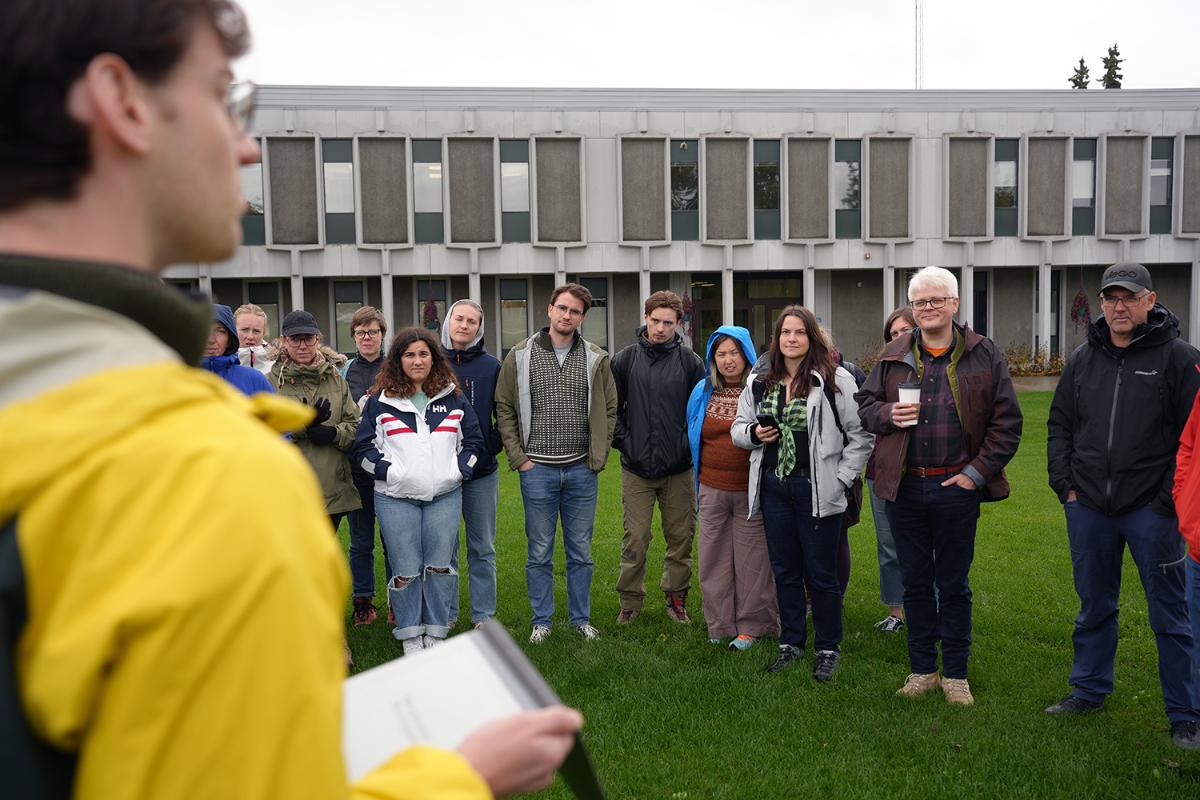
Another example he highlighted was the B2 Gold Corp. event that the students of Arctic Future Pathfinders themselves attended. The event marked the opening of a gold mine near Iqaluktuuttiaq and the prospect of more jobs in a local community where employment opportunities are scarce.
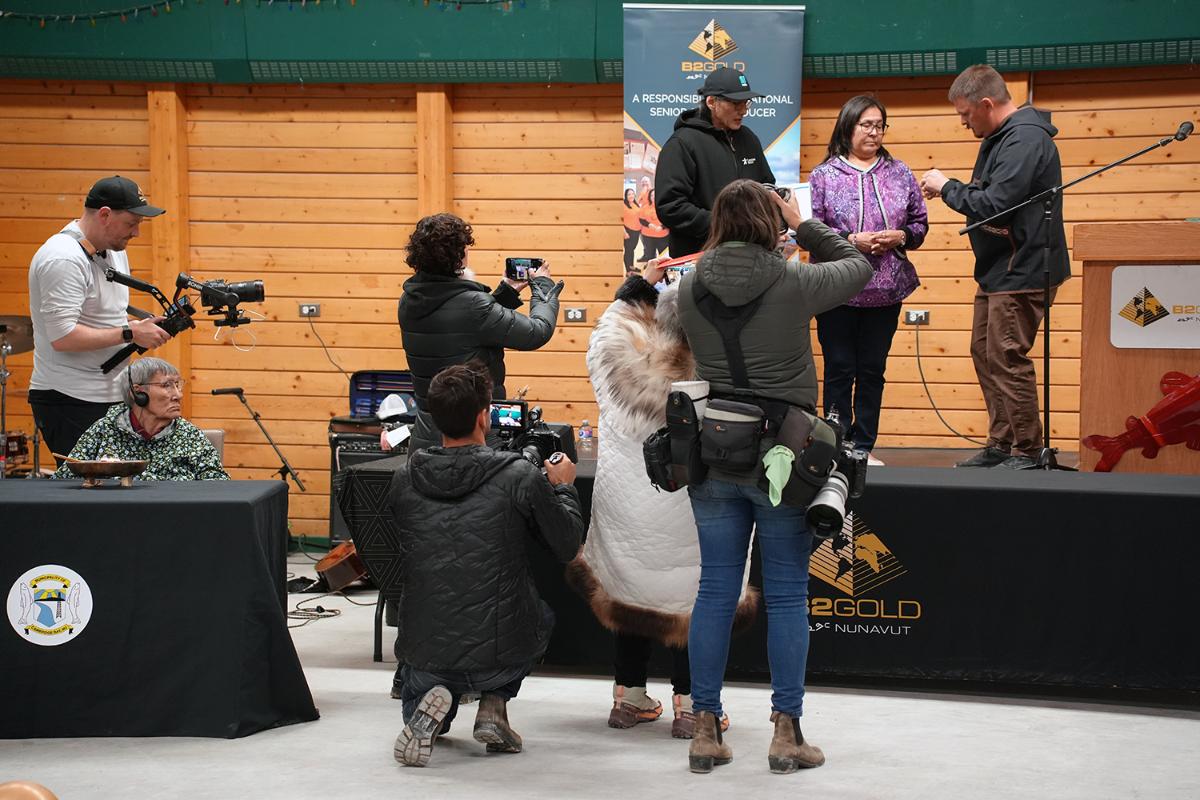
“There was little doubt that the company saw it necessary to build exclusively positive associations with their mining operations. They did so by grilling and distributing free food, organizing games, competitions, and concerts. In the many speeches that were held, frequent references were made to the company’s donations to the local community. The B2 Gold Corp. logo was visible everywhere you looked. Such an occasion, which in itself is a nice gesture, undoubtedly contributes to shaping people’s perception of the company and its operations in a way that leaves a certain aftertaste when one is aware of the challenges associated with mining,” Jensen said.
Governance in Practice: Nunavut as a Case Study
Jensen pointed to Nunavut, Canada, as a fascinating example of consensus governance at the territorial level.
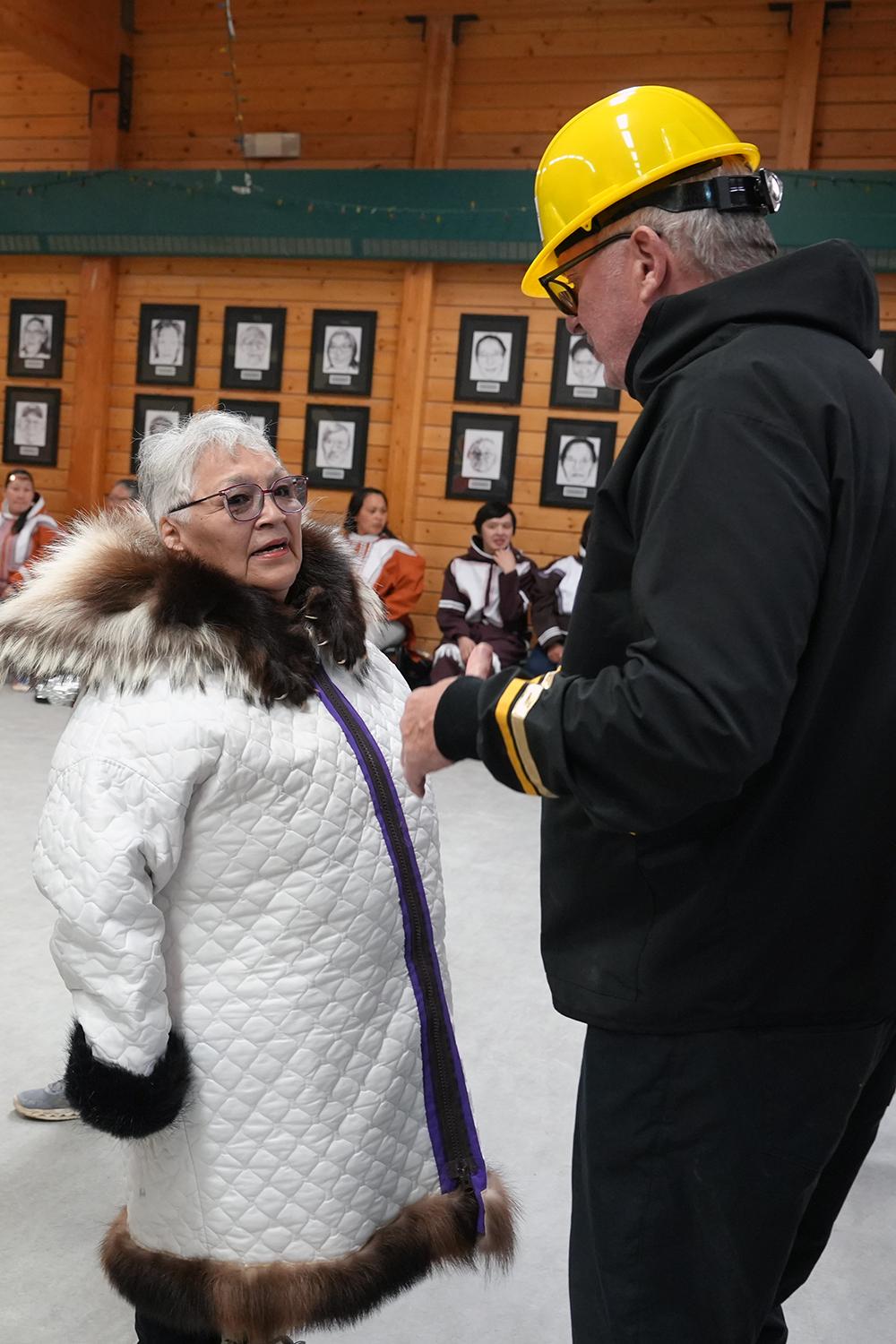
"In Nunavut, the territorial government works together with Inuit associations to make decisions about land use, resource management, rights, and policymaking," he explained. "It’s a system that integrates traditional Inuit knowledge with formal governance structures."
He also discussed the upcoming 2027 Devolution Agreement, which will transfer responsibilities for public lands, inland waters, and natural resources from the federal to the territorial level. "This agreement will enable Inuit organizations more autonomy and a greater role in decision-making," Jensen said. "It’s a step toward better self-determination."
Jensen invited input from local knowledge holder and Inuk Elder Navalik Tologanak, who elaborated on the governance structure in Nunavut.
"Each community has its own Hunters and Trappers Organization (HTO), and Inuit leaders play a significant role in the legislative assembly," Tologanak explained. "This system works better than the Canadian federal government."
Governance Conflicts and Flexibility
Jensen acknowledged that governance is not without its challenges.
"Conflicts can arise when stakeholders have competing interests," he said. He cited a case where Inuit organizations successfully challenged a federal decision to reissue fishing quotas near Nunavut. "They argued that reissuing quotas would lead to overfishing, and they won the case."
He also explored different approaches to governance, such as strict regulations versus flexible, case-by-case decision-making. "In Norway, for example, halibut fishing is regulated based on size and weight restrictions to prevent heavy metal contamination," Jensen explained. "Conversely, Inuit hunters often use traditional knowledge to decide whether wildlife is safe to consume. Both approaches are valid, depending on the context."

When asked which approach is preferable, Jensen remarked, "Both ensure some kind of regulation for safety purposes, the Norwegian approach can be considered more rigid compared to the more flexible case-by-case approach of the Inuit that depends on holding traditional knowledge."
The Future of Governance
Jensen concluded by emphasizing the importance of studying governance to understand how power and rule operate in practice. "Governance is about cooperation and co-production," he said.
"It’s a mutual process between those who govern and those who are governed. By studying governance, we can develop more inclusive, adaptive, and effective arrangements that address the complexities of contemporary life."
In Jensen’s words, "Governance is not just something that takes place in formal arenas—it’s something we all participate in, at various levels and to different extents, in everyday life. It shapes how we interact with each other, with society, and with nature. Understanding it is key to building a better future."
Kortnytt fra Communication Section, Faculty of Law
-
Arkeologi - master
Varighet: 2 År -
Peace and Conflict Transformation - master
Varighet: 2 År -
Geosciences - master
Varighet: 2 År -
Biology - master
Varighet: 2 År -
Technology and Safety - master
Varighet: 2 År -
Law of the Sea - master
Varighet: 3 Semestre -
Biologi - bachelor
Varighet: 3 År -
Rettsvitenskap - master
Varighet: 5 År -
Nordisk - årsstudium
Varighet: 1 År -
Luftfartsfag - bachelor
Varighet: 3 År -
Pedagogikk - bachelor
Varighet: 3 År -
Arkeologi - bachelor
Varighet: 3 År -
Likestilling og kjønn - årsstudium
Varighet: 1 År -
Historie - bachelor
Varighet: 3 År -
Geovitenskap- bachelor
Varighet: 3 År -
Samfunnssikkerhet - bachelor
Varighet: 3 År -
Samfunnssikkerhet - master
Varighet: 2 År -
Kunst - bachelor
Varighet: 3 År -
Kunsthistorie - master
Varighet: 2 År -
Religionsvitenskap - årsstudium
Varighet: 1 År -
Romfysikk, sivilingeniør - master
Varighet: 5 År -
Sosialantropologi - bachelor
Varighet: 3 År -
Historie - master
Varighet: 2 År -
Anvendt fysikk og matematikk, sivilingeniør - master
Varighet: 5 År -
Barnevernsarbeid - master
Varighet: 2 År -
Forfatterstudium 2 - årsstudium
Varighet: 1 År -
Fine Art - master
Varighet: 2 År -
Barnevern - bachelor
Varighet: 3 År -
Arctic Nature Guide - one year programme
Varighet: 1 År -
Sosialt arbeid - bachelor
Varighet: 3 År -
Arktisk friluftsliv og naturguiding - bachelor
Varighet: 3 År -
Arktisk friluftsliv - årsstudium
Varighet: 1 År -
Grunnskolelærerutdanning for 1.-7. trinn - master
Varighet: 5 År -
Kunsthistorie - årsstudium
Varighet: 1 År -
Governance and Entrepreneurship in Northern and Indigenous Areas - master
Varighet: 4 År -
Vernepleie - bachelor
Varighet: 3 År -
Internasjonal beredskap - bachelor
Varighet: 3 År -
Barnevern - bachelor
Varighet: 3 År -
Vernepleie - bachelor
Varighet: 4 År -
Landskapsarkitektur - master
Varighet: 5 År -
Grunnskolelærerutdanning for 5.-10. trinn - master
Varighet: 5 År -
Kvensk og finsk - bachelor
Varighet: 3 År -
Nordisk språk og litteratur - bachelor
Varighet: 3 År -
Russisk og russlandsstudier - bachelor
Varighet: 3 År -
Ph.d.-program i naturvitenskap
Varighet: 3 År -
Russisk og russlandsstudier - master
Varighet: 2 År -
Environmental Law - master
Varighet: 2 År -
Nordisk språk og litteratur - master
Varighet: 2 År -
Kvensk og finsk - master
Varighet: 3 År -
Ph.d.-utdanning i rettsvitenskap
Varighet: 3 År