Strengthening Nordic Collaboration in the Arctic
The Arctic Six universities have decided to further integrate and expand research collaboration across borders. Their focus is now on sustainable energy solutions, security, and preparedness.
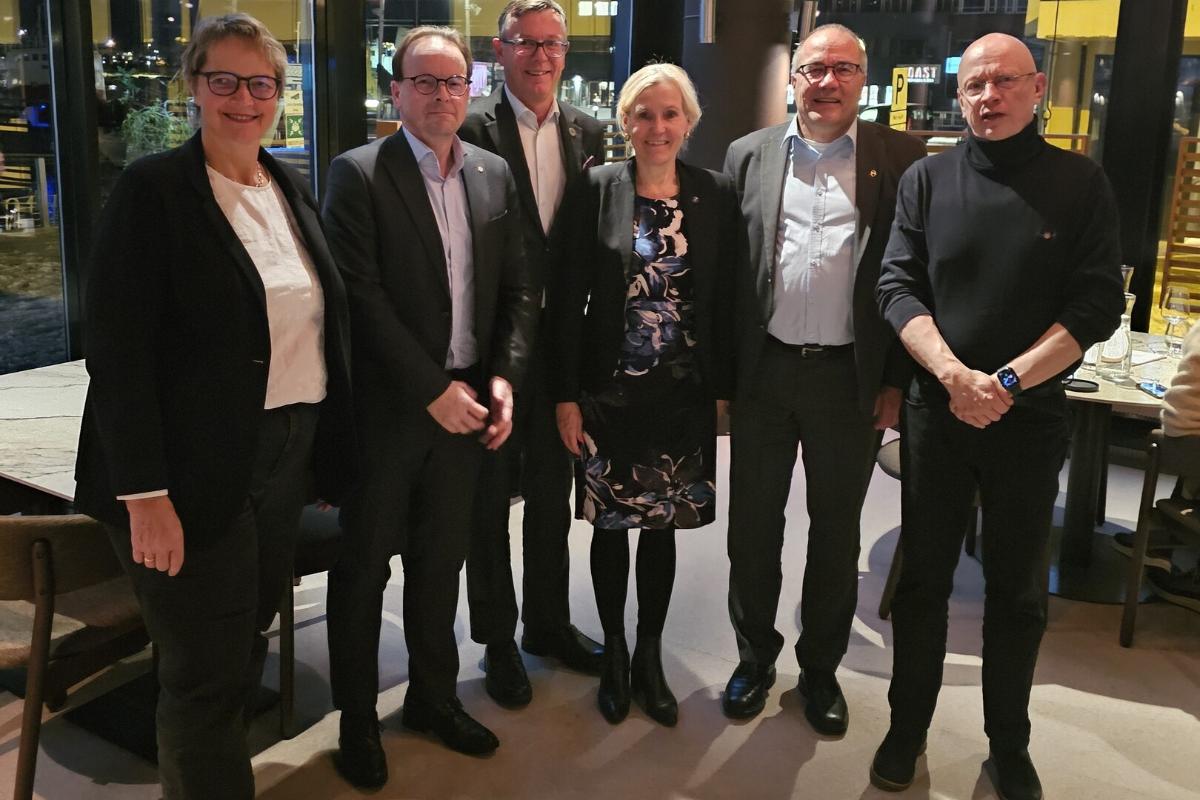

How can universities in the Nordic Arctic region jointly support societal development?
This question was at the centre of strategic discussions at the Rector’s Conference of The Arctic Six this week in Tromsø.
With the expansion of NATO in the Arctic and the consequences that follow in the wake of climate change, the region stands at the threshold of new opportunities but also faces risks and emerging threats.
Facts about The Arctic Six
- The alliance consists of UiT – The Arctic University of Norway, Nord University, Luleå University of Technology, Umeå University, the University of Oulu, and the University of Lapland.
- Together, the universities have 10,000 researchers and 100,000 students.
- They collaborate on education, research, and innovation that can contribute to developing the Arctic as a sustainable region.
- Actors from business and industry in the three countries work closely with The Arctic Six universities.
- The Arctic Six also serves as a regional centre for the international UArctic network.
Dag Rune Olsen, leader of the alliance through the Rector’s Council, believes The Arctic Six can play a crucial role in identifying new pathways for development in such circumstances.
“This is a natural role for our institutions because we were all established with a clear societal mandate to contribute specifically to the development of the northern regions,” he says.
“The geopolitical situation has strengthened both our societal mandate and our academic collaboration across the east-west axis in the Nordic Arctic,” he adds.
Integrate and expand
Olsen emphasises that The Arctic Six has proven to be far more than an ordinary university network.
“Not least through what we call Arctic Six Extended, where academic institutions collaborate with societal actors in the Arctic regions of Nordic countries to address key societal challenges such as sustainable energy solutions, security, and preparedness,” Olsen concludes.
During the meeting, the rectors of the alliance agreed to further integrate and expand areas of joint, cross-sectoral and interdisciplinary collaboration across borders.
This may lead to innovative solutions for more sustainable and secure societies in the Arctic regions of Norway, Sweden, and Finland.
Kortnytt fra International Cooperation Section, Department of Social Sciences, Centre for Peace Studies (CPS), Department of Arctic and Marine Biology, The University Library
-
Fiskeri- og havbruksvitenskap - bachelor
Varighet: 3 År -
Fiskeri- og havbruksvitenskap - master
Varighet: 2 År -
Akvamedisin - master
Varighet: 5 År -
Arkeologi - master
Varighet: 2 År -
Peace and Conflict Transformation - master
Varighet: 2 År -
Computer Science - master
Varighet: 2 År -
Geosciences - master
Varighet: 2 År -
Biology - master
Varighet: 2 År -
Technology and Safety - master
Varighet: 2 År -
Physics - master
Varighet: 2 År -
Law of the Sea - master
Varighet: 3 Semestre -
Biologi - bachelor
Varighet: 3 År -
Nordisk - årsstudium
Varighet: 1 År -
Historie - årsstudium
Varighet: 1 År -
Luftfartsfag - bachelor
Varighet: 3 År -
Pedagogikk - bachelor
Varighet: 3 År -
Arkeologi - bachelor
Varighet: 3 År -
Pedagogikk - master
Varighet: 2 År -
Informatikk, datamaskinsystemer - bachelor
Varighet: 3 År -
Informatikk, sivilingeniør - master
Varighet: 5 År -
Allmenn litteraturvitenskap - årsstudium
Varighet: 1 År -
Likestilling og kjønn - årsstudium
Varighet: 1 År -
Historie - bachelor
Varighet: 3 År -
Geovitenskap- bachelor
Varighet: 3 År -
Samfunnssikkerhet - bachelor
Varighet: 3 År -
Samfunnssikkerhet - master
Varighet: 2 År -
Kunst - bachelor
Varighet: 3 År -
Kunsthistorie - master
Varighet: 2 År -
Farmasi - master
Varighet: 2 År -
Religionsvitenskap - årsstudium
Varighet: 1 År -
Romfysikk, sivilingeniør - master
Varighet: 5 År -
Sosialantropologi - bachelor
Varighet: 3 År -
Bærekraftig teknologi, ingeniør - bachelor
Varighet: 3 År -
Historie - master
Varighet: 2 År -
Filosofi - bachelor
Varighet: 3 År -
Anvendt fysikk og matematikk, sivilingeniør - master
Varighet: 5 År -
Barnevernsarbeid - master
Varighet: 2 År -
Forfatterstudium 2 - årsstudium
Varighet: 1 År -
Fine Art - master
Varighet: 2 År -
Barnevern - bachelor
Varighet: 3 År -
Arctic Nature Guide - one year programme
Varighet: 1 År -
Sosialt arbeid - bachelor
Varighet: 3 År -
Arktisk friluftsliv og naturguiding - bachelor
Varighet: 3 År -
Arktisk friluftsliv - årsstudium
Varighet: 1 År -
Grunnskolelærerutdanning for 1.-7. trinn - master
Varighet: 5 År -
Kunsthistorie - årsstudium
Varighet: 1 År -
Governance and Entrepreneurship in Northern and Indigenous Areas - master
Varighet: 4 År -
Vernepleie - bachelor
Varighet: 3 År -
Internasjonal beredskap - bachelor
Varighet: 3 År -
Barnevern - bachelor
Varighet: 3 År