Can expand PhD education in the global south
The Norwegian College of Fishery Science has signed a co‑operation agreement with Environment for Development. This opens up new possibilites for doctoral education in marine resource management in the Global South.

The Norwegian College of Fishery Science (NCFS) is an institution with 50 years of experience in research and education related to marine environments, covering biology, technology, economics and management. The research group in environmental and resource economics (MRØ) has extensive collaboration with partners in the Global South on research and education in these fields.
In June a memorandum of understanding (MoU) was signed between NCFS and The EfD, which may enable an expansion of north–south cooperation.
EfD Global Hub has considerable capacity in this context, with a network of environmental economists and centres in 11 countries in the Global South. Like NCFS, they have developed an interdisciplinary global research collaboration through the programme Blue Resources for Development (BlueRforD). The aim of this programme is to build knowledge about the sustainable use of blue resources in low- and middle‑income countries.
Collaboration with strong research environments
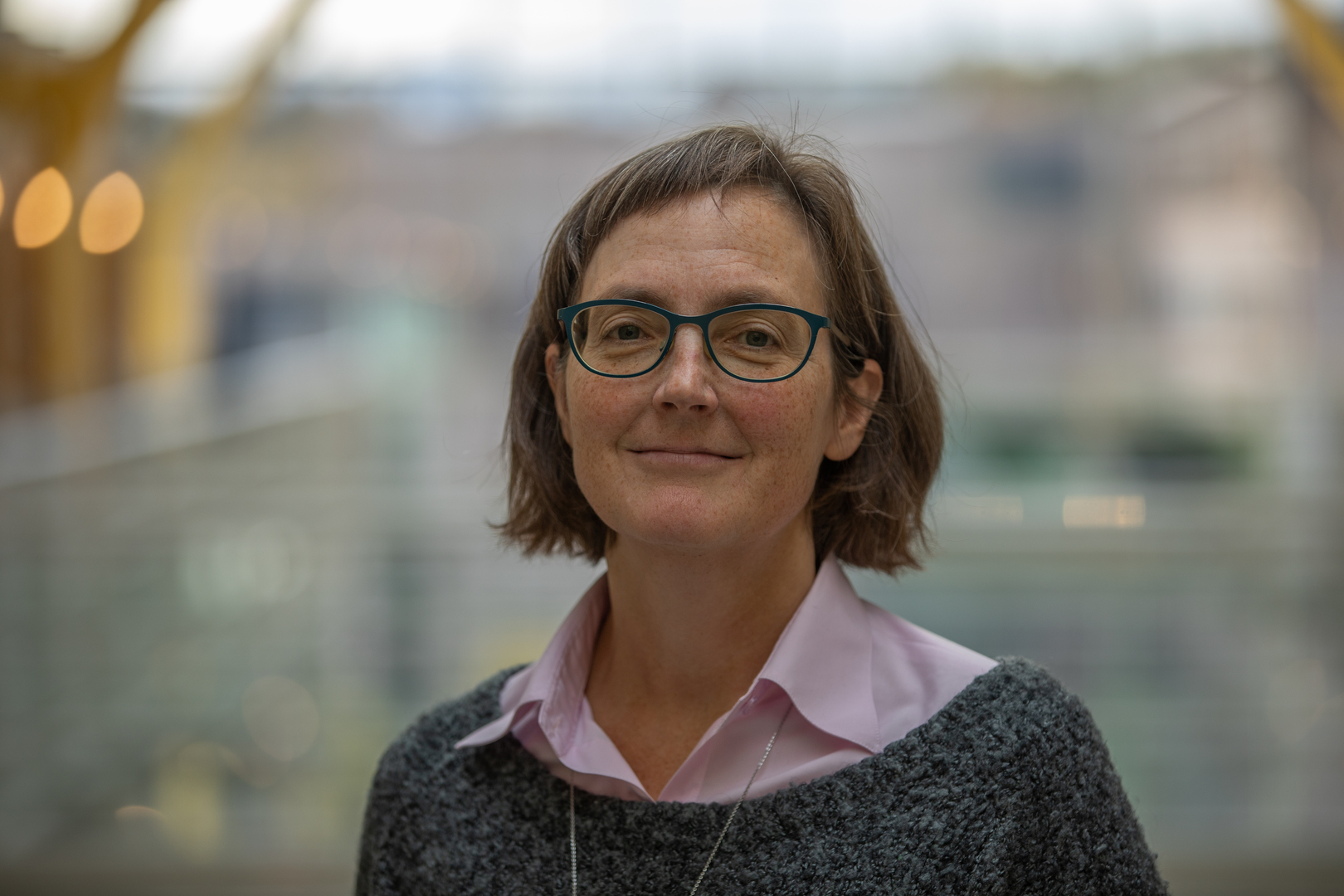
According to Claire Armstrong, professor at The Norwegian College of Fishery Science , the new cooperation agreement can generate a number of synergies.
“Environmental and resource‑economic research aimed at the South at UiT will benefit greatly from collaboration with EfD and their partners in the Global South. It can also strengthen opportunities for funding our education projects,” says Armstrong.
She emphasises that EfD has a strong focus on contributing to knowledge and societal development in the South. EfD researchers base their work on the principle of the triple bottom line (aiming to generate profit, benefit people and protect the planet) and study sustainable management and development of capture fisheries. Like NFH, they also highlight challenges related to poverty and gender, and how these relate to resource issues linked to agriculture and land use in coastal areas.
A larger network creates more opportunities for our PhD candidates and partners, and we may receive more PhD candidates from the EfD community who wish to follow our programmes.
“NCFS will benefit from collaborating with such strong research environments, which have particular expertise both methodologically and in empirical and applied research. Such research has many interesting intersections with conditions in the Arctic, where the challenges may be similar,” she adds.
Armstrong believes their partners in the South are developing rapidly and have built substantial capacity, from teaching to research. In addition, they often have strong links to public administration and industry, which she says offers many opportunities to expand collaboration. She points out that EfD’s broad network makes it more feasible to conduct research activities more cost‑effectively in countries in the South, especially experiments and surveys.
The Environment for Development (EfD)
- A network of 200 environmental economists based in the Global South, established in 2007
- Funded by the Swedish International Development Cooperation Agency (Sida)
- Its research centres are based at universities and research institutions in 11 countries in the Global South, in both South America and Africa
- EfD Global coordinates the network and is affiliated with the School of Business, Economics and Law at the University of Gothenburg
- EfD has a dedicated research programme focused on the management and development of sustainable capture fisheries and aquaculture called Blue Resources for Development (BlueRforD)
Can train more PhD candidates
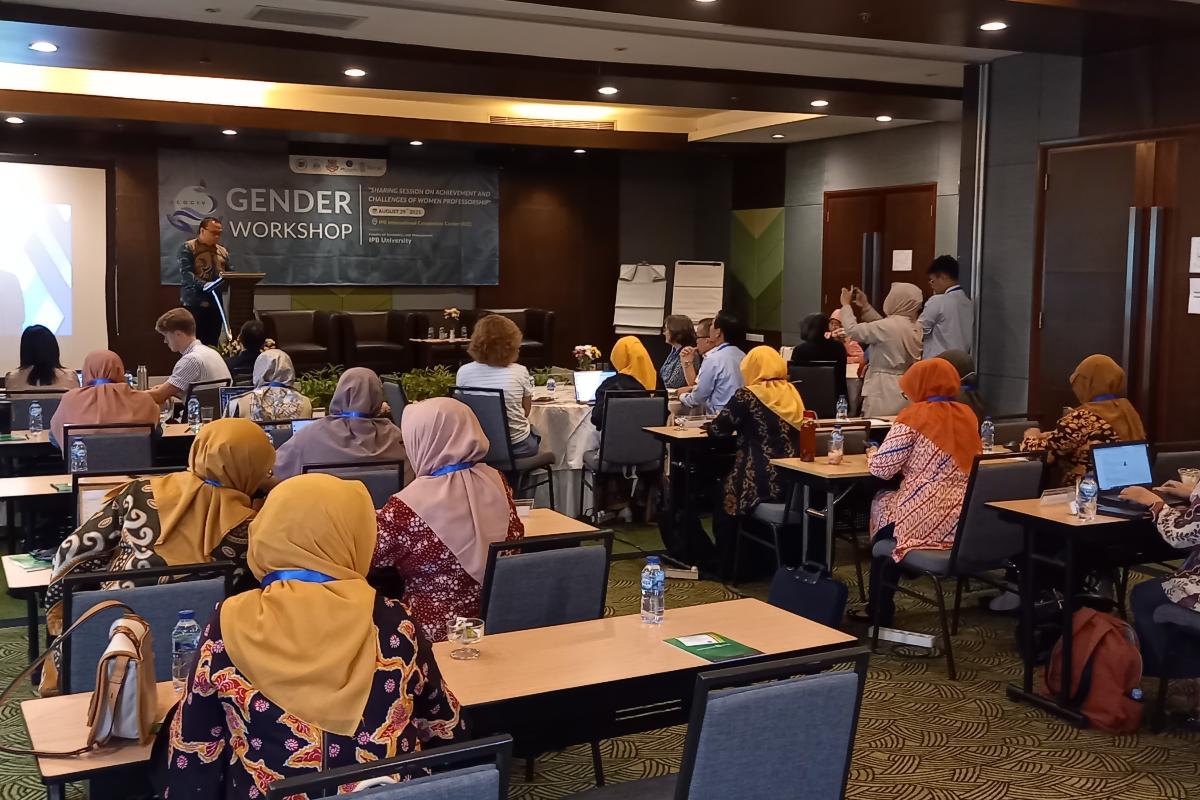
NCFS emphasises the use of interdisciplinary methods and perspectives in its collaboration with partners in the South. One example is the ECOGIV project, funded by Norad. Here UiT collaborates with universities in Ghana, Indonesia and Vietnam to train researchers in the management of marine resources and ecosystems.
ECOGIV doctoral candidates research, among other topics, ghost fishing, plastic pollution, overfishing, mass tourism, knock‑on effects of climate change and invasive species.
ECOGIV can give countries in the South better conditions to enable coastal communities to meet such challenges. At the same time, the research is aimed at strengthening gender equality and sustainable local economies.
Armstrong believes the agreement with EfD can both reinforce current doctoral training collaborations and extend them to include more partners.
“A larger network creates more opportunities for our PhD candidates and partners, and we may receive more PhD candidates from the EfD community who wish to follow our programmes. It also opens up greater possibilities for broader joint supervision,” she emphasises.
Kortnytt fra Communication Section
-
Fiskeri- og havbruksvitenskap - bachelor
Varighet: 3 År -
Fiskeri- og havbruksvitenskap - master
Varighet: 2 År -
Akvamedisin - master
Varighet: 5 År -
Bioteknologi - bachelor
Varighet: 3 År -
Peace and Conflict Transformation - master
Varighet: 2 År -
Computer Science - master
Varighet: 2 År -
Geosciences - master
Varighet: 2 År -
Biology - master
Varighet: 2 År -
Physics - master
Varighet: 2 År -
Computational chemistry - master
Varighet: 2 År -
Law of the Sea - master
Varighet: 3 Semestre -
Biologi - bachelor
Varighet: 3 År -
Nordisk - årsstudium
Varighet: 1 År -
Strategisk ledelse og økonomi - erfaringsbasert master
Varighet: 5 Semestre -
Historie - årsstudium
Varighet: 1 År -
Arkeologi - bachelor
Varighet: 3 År -
Pedagogikk - master
Varighet: 2 År -
Informatikk, datamaskinsystemer - bachelor
Varighet: 3 År -
Informatikk, sivilingeniør - master
Varighet: 5 År -
Allmenn litteraturvitenskap - årsstudium
Varighet: 1 År -
Geovitenskap- bachelor
Varighet: 3 År -
Økonomi og administrasjon - bachelor
Varighet: 3 År -
Samfunnssikkerhet - bachelor
Varighet: 3 År -
Økonomi og administrasjon, siviløkonom - master
Varighet: 2 År -
Ledelse, innovasjon og marked - bachelor
Varighet: 3 År -
Farmasi - master
Varighet: 2 År -
Religionsvitenskap - årsstudium
Varighet: 1 År -
Romfysikk, sivilingeniør - master
Varighet: 5 År -
Samfunnsøkonomi med datavitenskap - bachelor
Varighet: 3 År -
Bærekraftig teknologi, ingeniør - bachelor
Varighet: 3 År -
Filosofi - bachelor
Varighet: 3 År -
Anvendt fysikk og matematikk, sivilingeniør - master
Varighet: 5 År -
Arctic Nature Guide - one year programme
Varighet: 1 År -
Arktisk friluftsliv og naturguiding - bachelor
Varighet: 3 År -
Arktisk friluftsliv - årsstudium
Varighet: 1 År -
Grunnskolelærerutdanning for 1.-7. trinn - master
Varighet: 5 År -
Ledelse, innovasjon og marked - master
Varighet: 2 År -
Governance and Entrepreneurship in Northern and Indigenous Areas - master
Varighet: 4 År -
Internasjonal beredskap - bachelor
Varighet: 3 År -
Økonomi og administrasjon - bachelor
Varighet: 3 År -
Praktisk prosjektledelse - årsstudium
Varighet: 2 År -
Ledelse - erfaringsbasert master
Varighet: 3 År -
Landskapsarkitektur - master
Varighet: 5 År -
Grunnskolelærerutdanning for 5.-10. trinn - master
Varighet: 5 År -
Ph.d.-program i naturvitenskap
Varighet: 3 År -
Environmental Law - master
Varighet: 2 År -
Ph.d.-program i humaniora og samfunnsvitenskap
Varighet: 3 År -
Nordic Urban Planning - master
Varighet: 2 År -
Ph.d.-program i realfag
Varighet: 3 År -
Ph.d.-program i nautiske operasjoner: Fellesgrad
Varighet: 3 År