New aquaculture courses give students hands-on experience at Lake Victoria
More than 90 students in Kenya have so far completed new aquaculture courses developed through an international collaboration involving UiT.
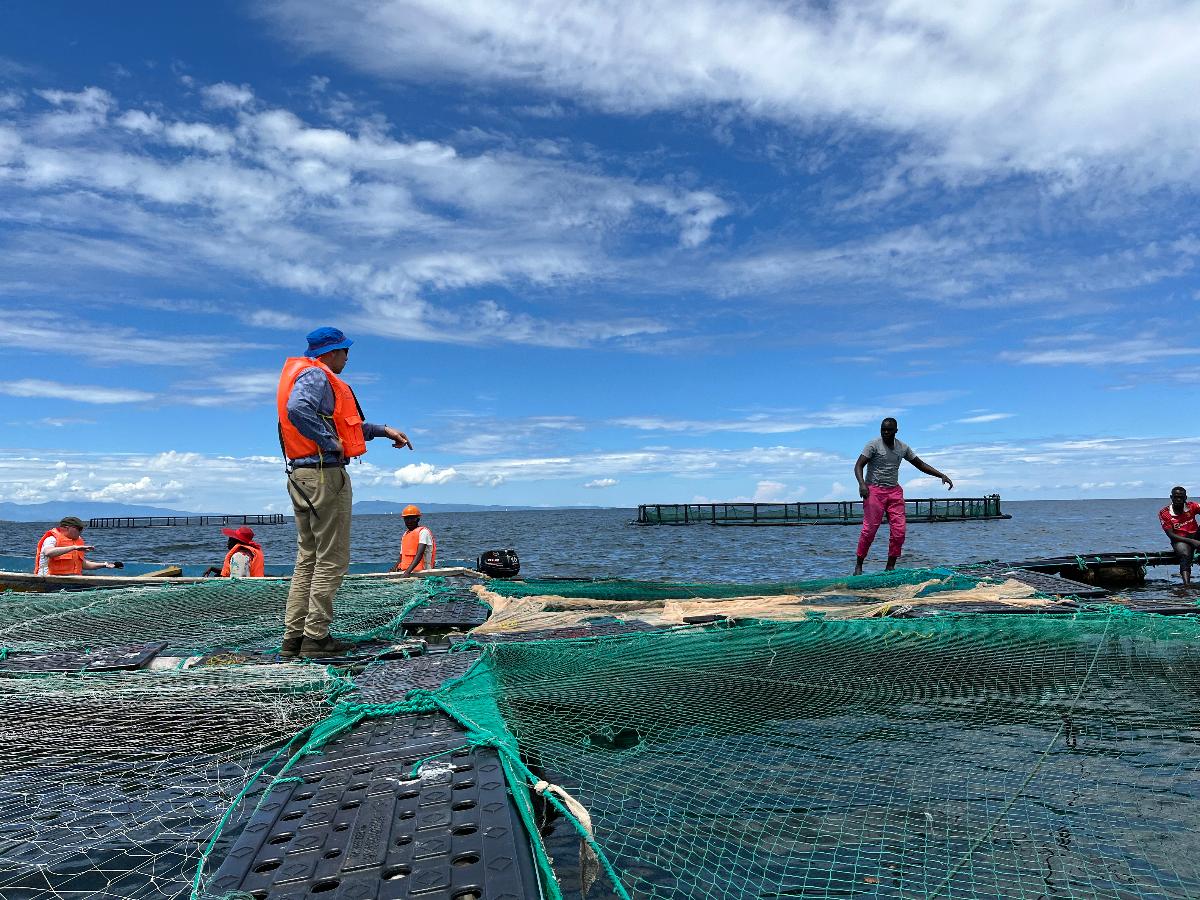


The aim is to strengthen education in sustainable aquaculture while contributing to food security, employment and local development around Lake Victoria.
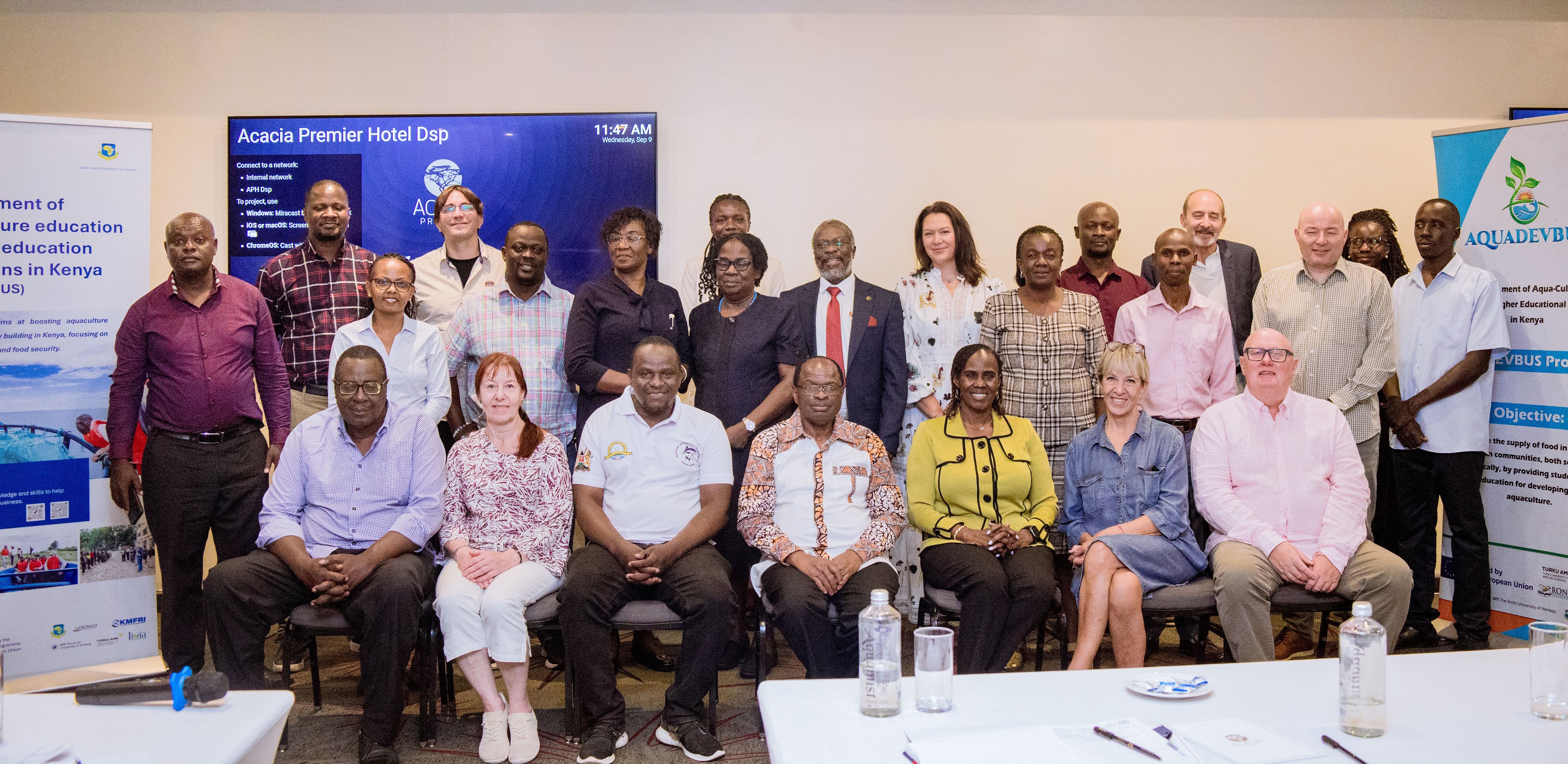
Academics from The Faculty of Biosciences, Fisheries and Economics (The Norwegian College of Fishery Science and The Department of Arctic and Marine Biology) recently returned from the AQUADEBUS project workshop in Kisumu, Kenya, on the shores of Lake Victoria.
Funded by the European Union, the project brings together Kenyan partners - Great Lakes University of Kisumu, Rongo University, and the Kenya Marine and Fisheries Research Institute - with Scandinavian institutions: UiT The Arctic University of Norway, the University of Turku, and Livia Vocational College in Finland.
The project aims to develop aquaculture curricula, strengthen educators’ pedagogical capacity, and connect students with the realities of local fish production. This includes experiences ranging from relatively large pond and cage farms to small, community-based enterprises.
This is AQUADEBUS
The project is funded by the Erasmus + programme ERASMUS-EDU-2023-CBHE (Capacity building in the field of higher education), has a total budget of 0.8 million EURO and runs for three years (2023-2026).
The project connects classrooms with the reality of aquaculture on the ground
One of the most inspiring visits was to TIGOI Fish Farm, a small tilapia and catfish farm in a rural community on the outskirts of Kisumu. Its owner, a woman in her late 80s, combines fish farming, fish-feed production, and crop cultivation while also supporting vocational activities in her community. Her work demonstrates how knowledge, skills, and commitment can contribute to food security and local development.
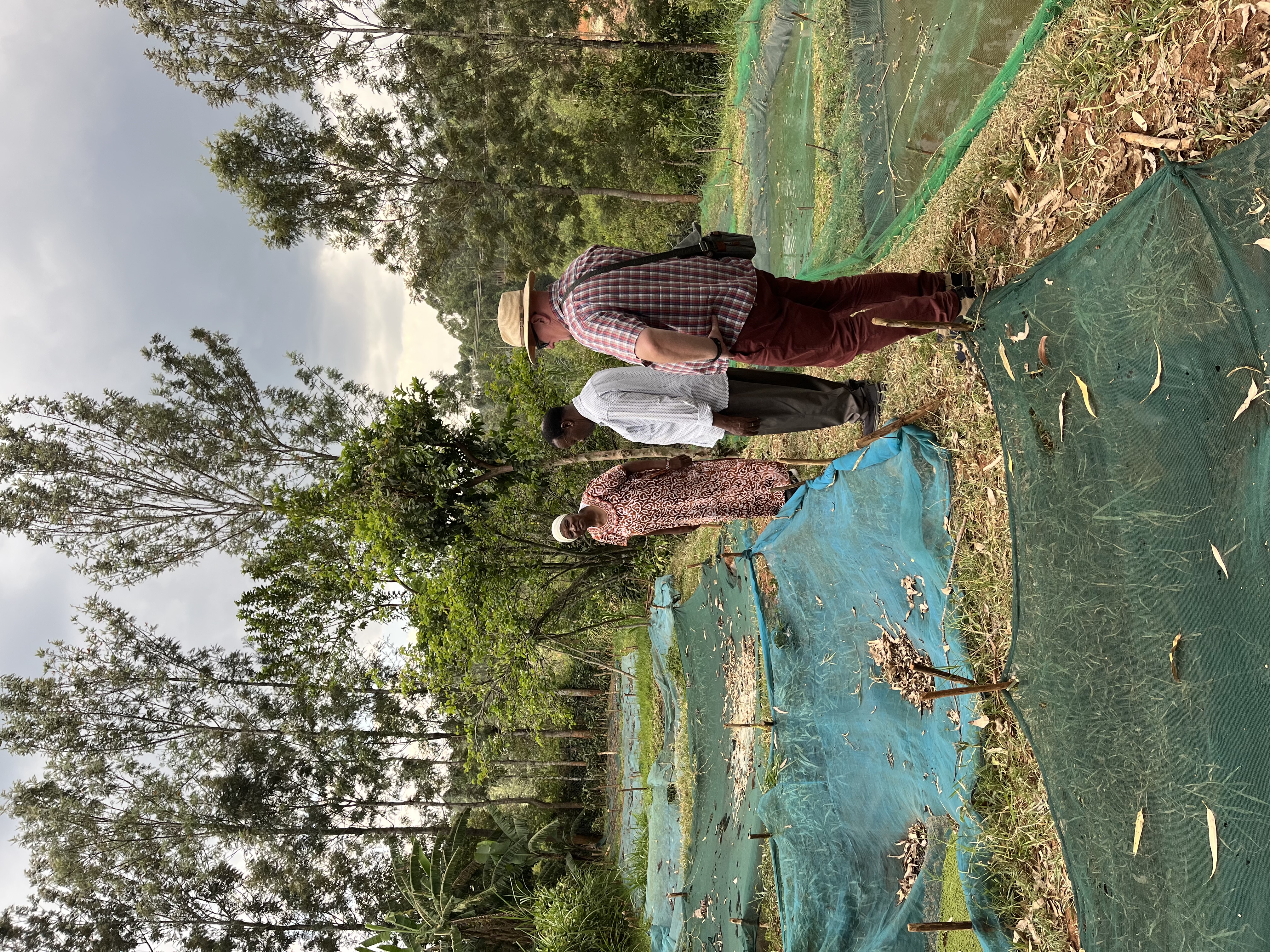
To date, more than 90 bachelor’s students from the two Kenyan universities have completed the new aquaculture courses developed through the project. The courses combine theoretical instruction with practical training and are designed to build sustainable, future-ready capacity in higher education institutions around Lake Victoria.
More broadly, AQUADEBUS seeks to position aquaculture as a strategic contributor to food security, rural development, employment, and environmental resilience. These objectives align with global sustainability priorities, including the EU Green Deal and the UN-Habitat Blue Economy Strategy, launched in Kenya in 2022.
The project will conclude in December 2026. At the final workshop, partner institutions reaffirmed their commitment to advancing aquaculture education in Kenya and to exploring new opportunities for sustainable action and targeted collaboration with the Kenyan aquaculture industry.
Kortnytt fra Faculty of Biosciences, Fisheries and Economics, Department of Arctic and Marine Biology, The Norwegian College of Fishery Science