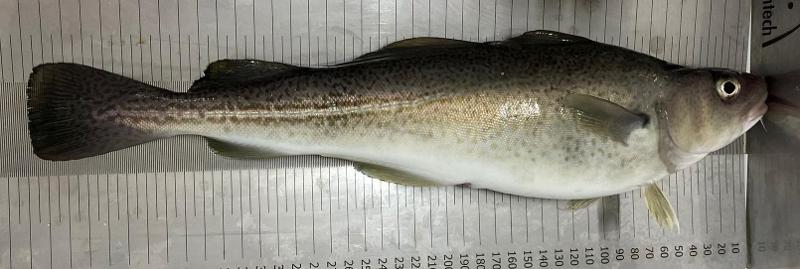
From code to cod livers
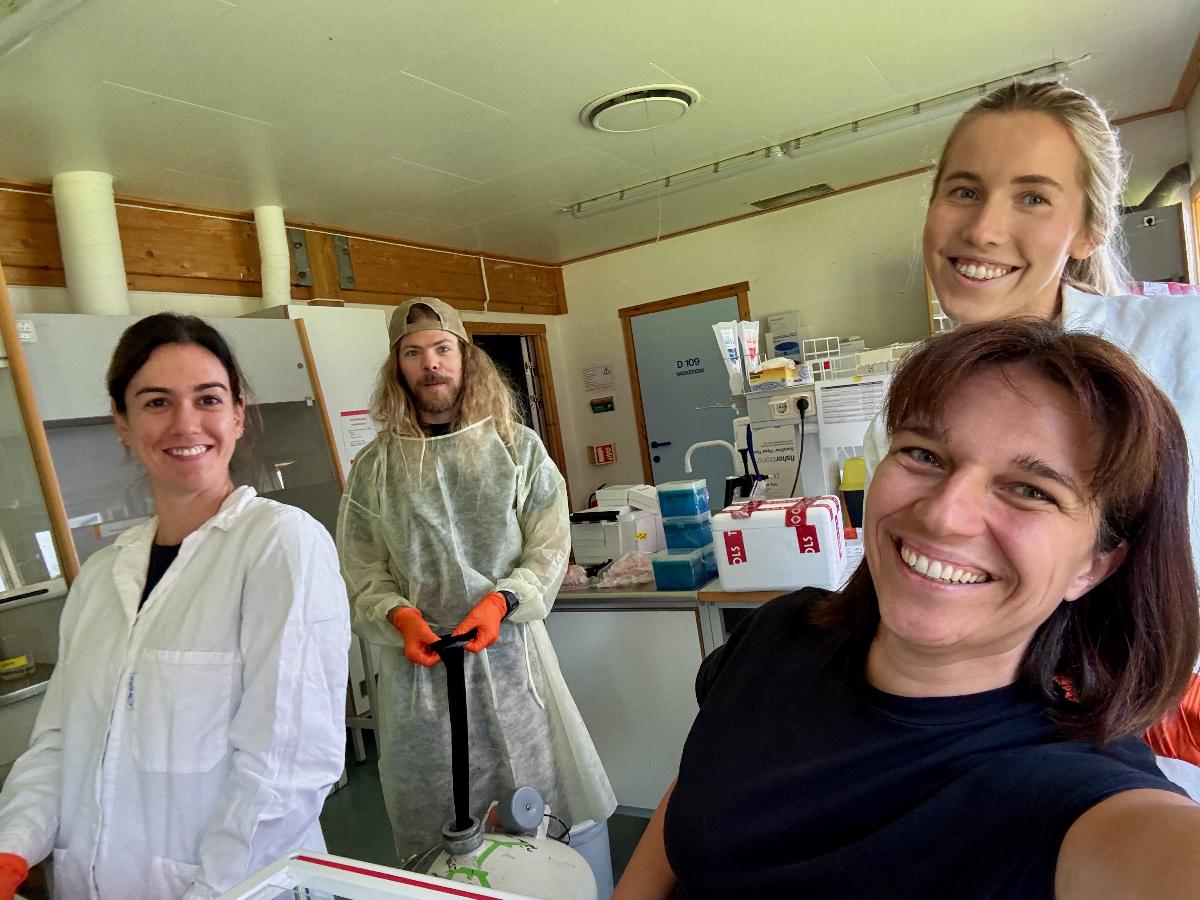
I’m Morten, a new master’s student on the Toxigen team. Last semester I carried out the in silico work to shortlist candidates from the crude oil resin fraction, and—together with Veslemøy, María, and Jasmine—I’m now running precision-cut liver slice (PCLS) experiments. Last week we completed the first exposure batch on 9 top-priority compounds identified by my modelling.
In the Toxigen project, we are turning our attention to one of these overlooked groups: the resin fraction of crude oil. Our chemical analysis revealed about 200 different substances in this fraction – ranging from complex ring-shaped molecules to fatty acid–like compounds. The big question is: could some of these be just as harmful, or even more harmful, than the usual suspects?
Testing all 200 compounds in live fish would require enormous resources – and more than 1,000 animals. Instead, we combine two approaches:
 Computer simulations (in silico) – I use advanced software to predict how these compounds might interact with key receptors in Atlantic cod, such as those involved in hormone regulation and detoxification. This narrows our list down to the top 15 candidates that seem most biologically active.
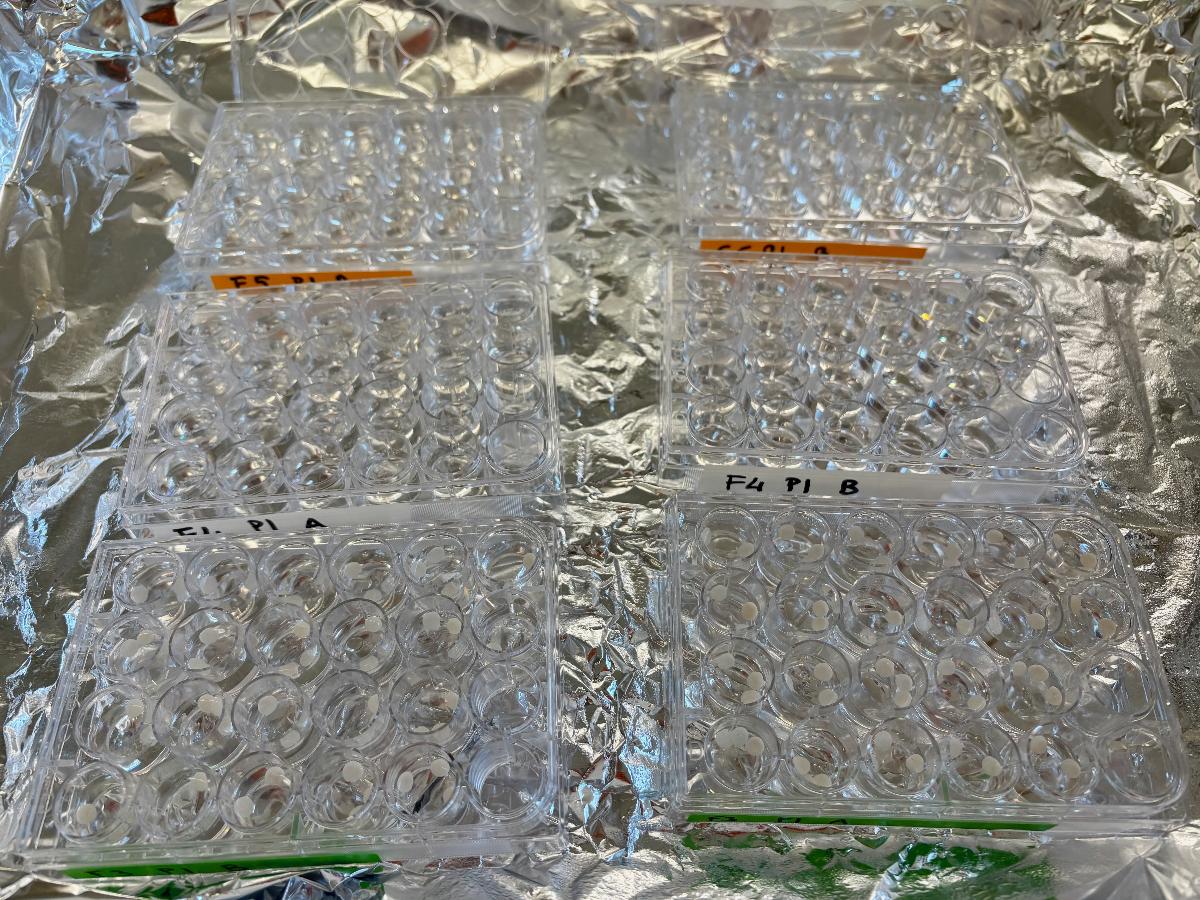
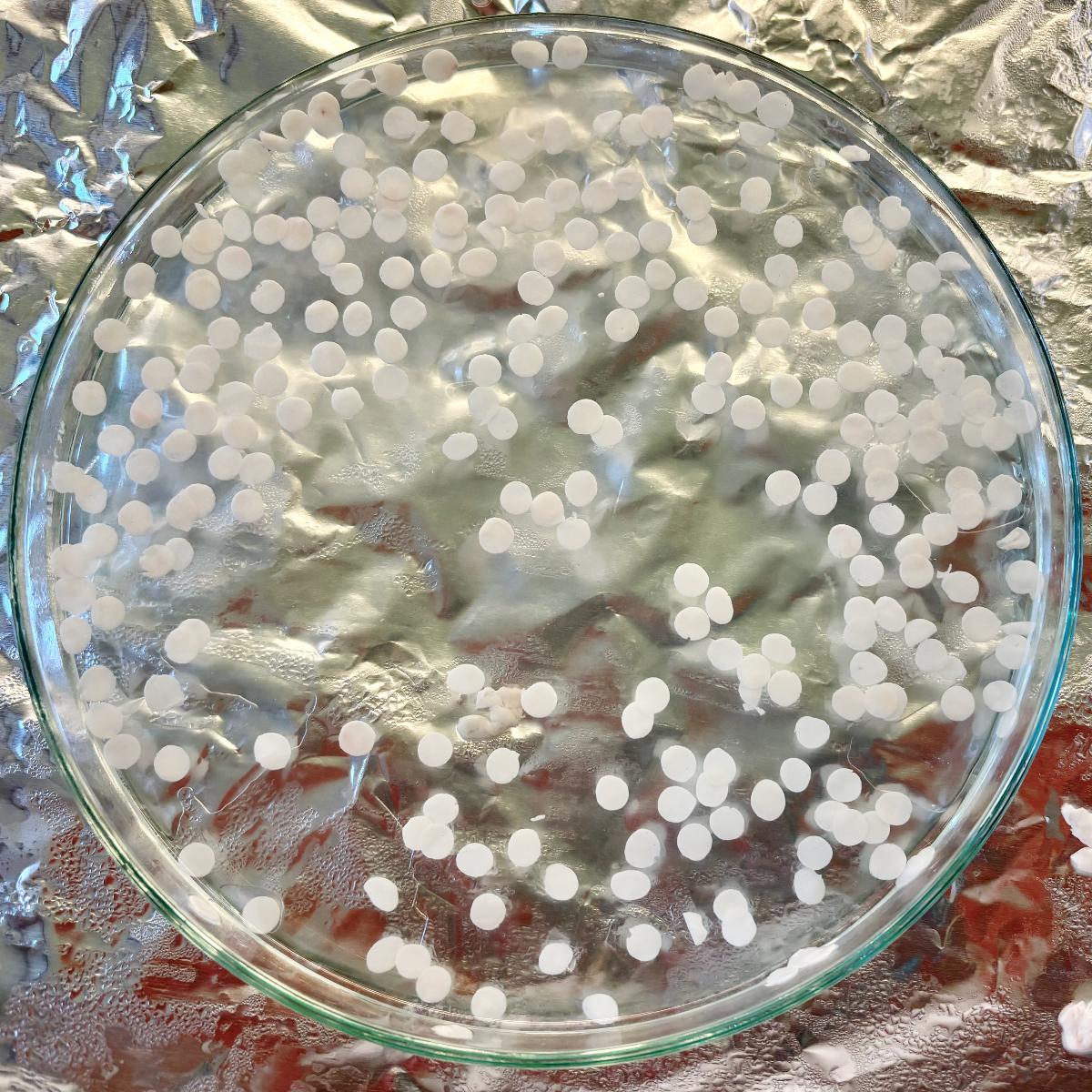 Liver slice experiments (in vitro) – I then test these candidates in tiny slices of cod liver tissue.
Each liver can be sliced into many pieces, meaning we can test multiple compounds from just a few fish. Using this method, we reduce animal use from about 1,000 to just five – a huge step forward in refinement and sustainability. While this method does not capture every aspect of whole-animal exposure, it gives us a powerful way to zoom in on the exact molecular mechanisms of toxicity. And the implications reach far beyond oil spills: some of the compounds we test are also used in commercial products, with limited knowledge on their potential effects on aquatic organisms.
 By uncovering the toxicological fingerprints of these hidden oil components, we can improve our ability to predict and monitor the effects of spills on marine ecosystems – and possibly flag risks in other human-made chemicals that have so far escaped attention.
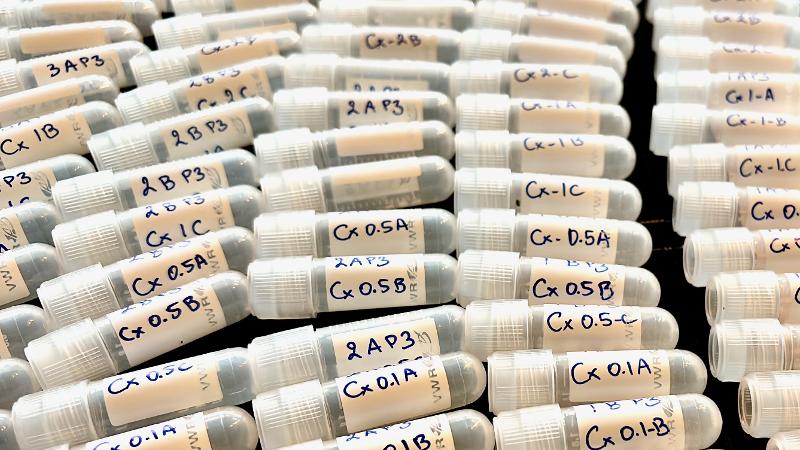
What’s next: I’m gearing up for another round of PCLS to expand compound testing, and we’ve already collected thousands of samples for targeted qPCR to map gene-level responses.