Invited Speakers
We are honored to feature a distinguished panel of invited speakers for EHRC 2026. These renowned international and national experts and researchers will share their latest findings, bringing diverse perspectives to our discussions on organ-to-organ interactions, women's health, vascular biology, and epidemiological insights feeding experimental research. Their expertise is central to our mission of fostering innovation and collaboration within the research community.
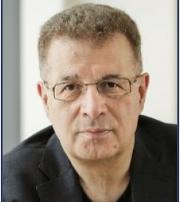 |
Arno VillringerDirector - Department of Neurology at Max Planck Institute for human cognitive and brain sciencesDirector - Clinic for Cognitive Neurolgy Spokesperson: Max Planck School of Cognition Spokesperson: Berlin School of Mind and Brain Deputy Chairperson - Human Sciences Section of the Max Planck Society |
| Arno focuses on brain-body interaction exploring the dynamic relationship between the brain and cardiovascular system. He investigates how factors such as blood flow, blood pressure, heart rate, and systemic health influence brain function, as well as how brain activity can, in turn, regulate these bodily systems. His work delves into the mechanisms by which disruptions in this interaction, such as impaired cerebral blood flow or autonomic dysfunction, contribute to neurological conditions like stroke, cognitive decline, and neurodegenerative diseases. By integrating advanced neuroimaging techniques with physiological monitoring, Villringer aims to uncover how maintaining a healthy brain-body connection can support overall brain health and recovery from neurological disorders. | |
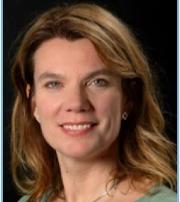 |
Karin RoelofsProfessor - Behavioural Science Institute |
|
Karin's research focuses on the neurocognitive mechanisms underlying stress-resilience and vulnerability. Together with her group, she employs a range of neuroimaging techniques (fMRI, MEG), combined with neuromodulation (e.g., transcranial ultrasound stimulation) or pharmacological interventions, to study emotional control and decision-making processes. Important research questions are, e.g., what is the role of autonomic balance on decision making under threat? |
|
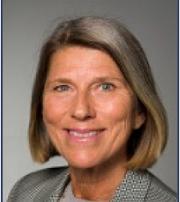 |
Anne Cathrine StaffProfessor - University of Oslo
|
|
Anne's research focuses on pregnancy complications, particularly preeclampsia and diabetes, and their links to maternal cardiovascular disease. Her research explores the role of fetal microchimerism, placental dysfunction and pregnancy biomarkers in influencing health trajectories for both mothers and offspring. |
|
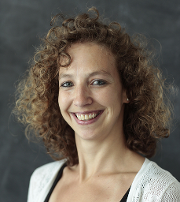 |
Miranda NabbenAssistant Professor at the Department of Genetics and Cell Biology at Maastricht University. |
|
Miranda aims to pioneer metabolic interventions to treat cardiac disease. Her current work investigates the complex interplay between structural, metabolic, and functional alterations in the failing heart. By mapping these relationships, she seeks to uncover the precise molecular triggers of heart failure and identify novel therapeutic targets for treatment. |
|
|
|
Hilde LangsethSenior researcher and section chief for Molecular Epidemiology and Infections at the Cancer Registry of Norway, Norwegian Institute of Public Health |
| Hilde has a Ph.D. in cancer epidemiology from University of Oslo, Norway focusing on occupational and environmental exposures and cancer. Her research activities focus on early detection of cancer using biobanks, epidemiological data from disease registries, and health surveys. | |
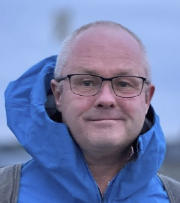 |
Arnstein MykletunDirector - Centre for Population Health at Haukeland University Hospital, Bergen, Norway |
| Arnstein is studying variation in diagnoses and treatments in psychiatry and exploit this variation for quasi-experimental designs using techniques for causal modelling in epidemiology. He will talk about ADHD in children and adolescents, and if the recent increase in the diagnosis is helpful or harmful for patients and society at large. | |