A Historic Partnership and Forward-Looking Collaboration
The partnership between Anchorage and Tromsø is an example of how cities can play a vital role in fostering cooperation across borders despite long distances.
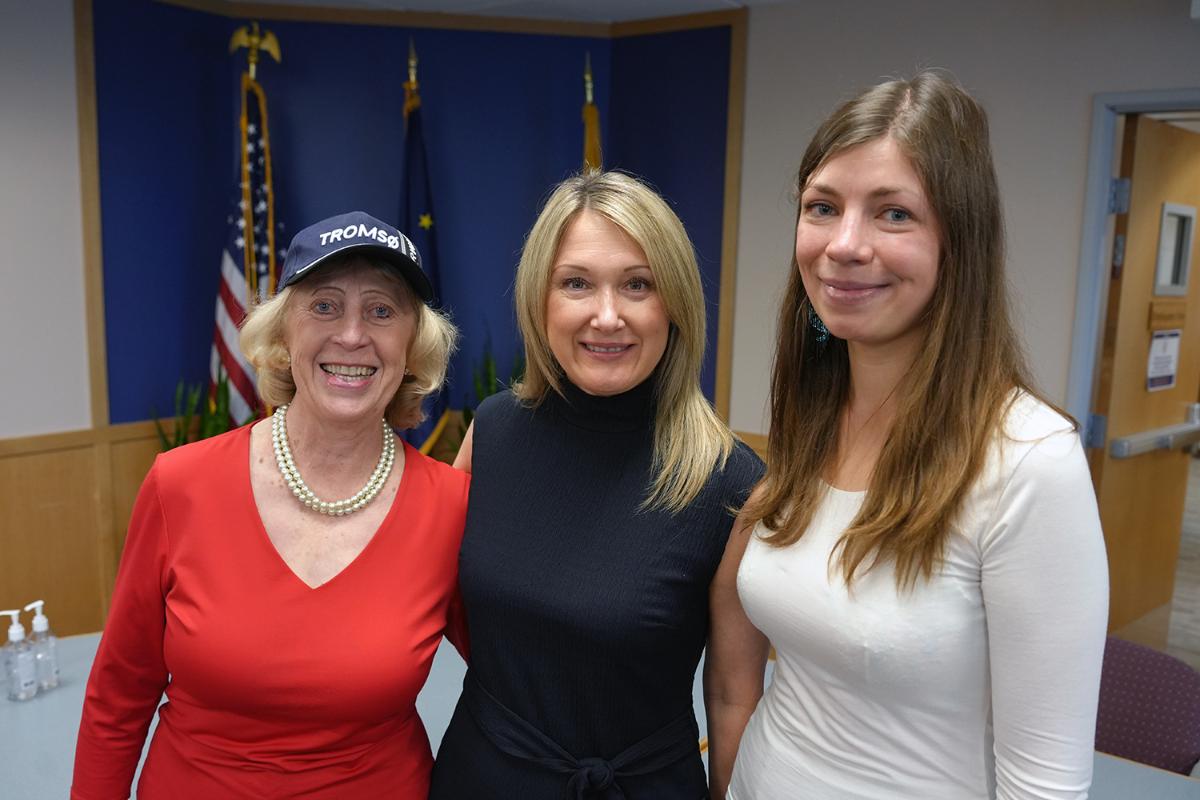
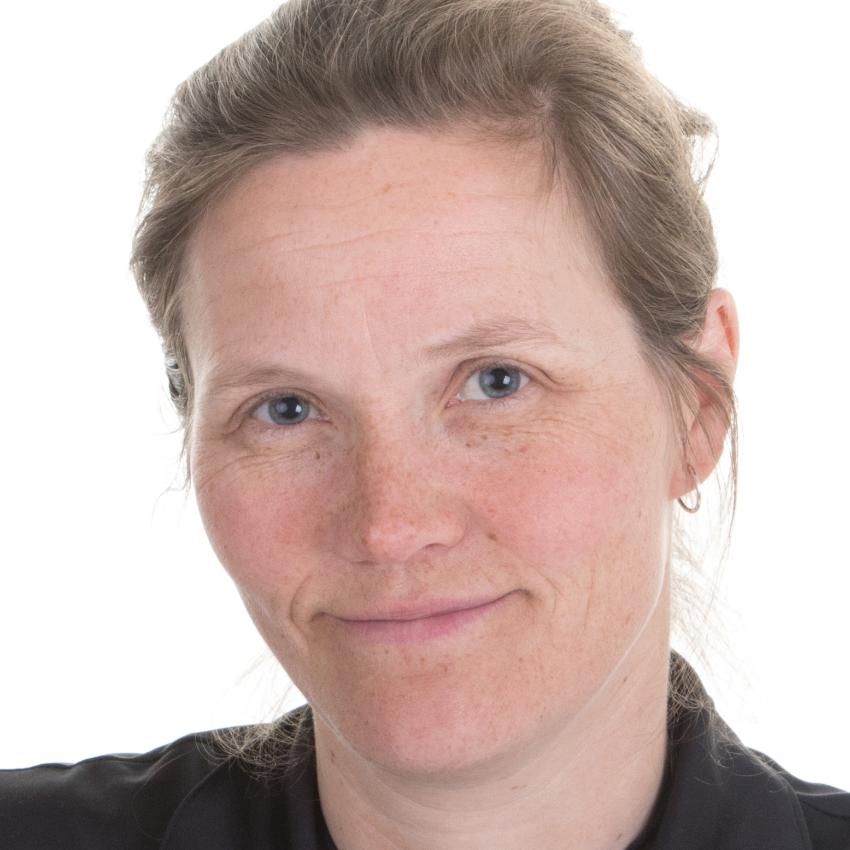
The relationship between the two cities has been characterized by cultural and academic exchanges, but it has also faced challenges that now provide opportunities for revitalization and innovation. The long history of this city partnership and changes it has undergone throughout time offers a chance to reflect on how city diplomacy works, what challenges it faces and how it can contribute to solving global and regional issues.
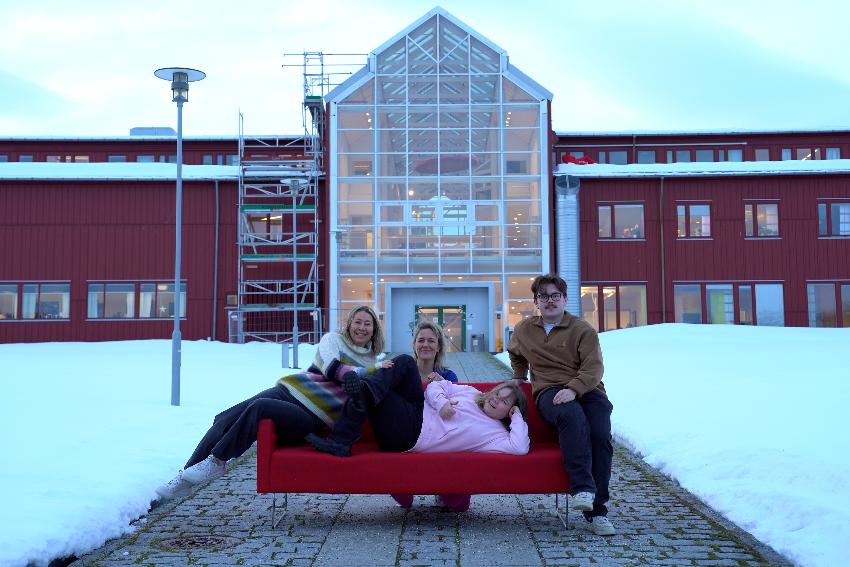
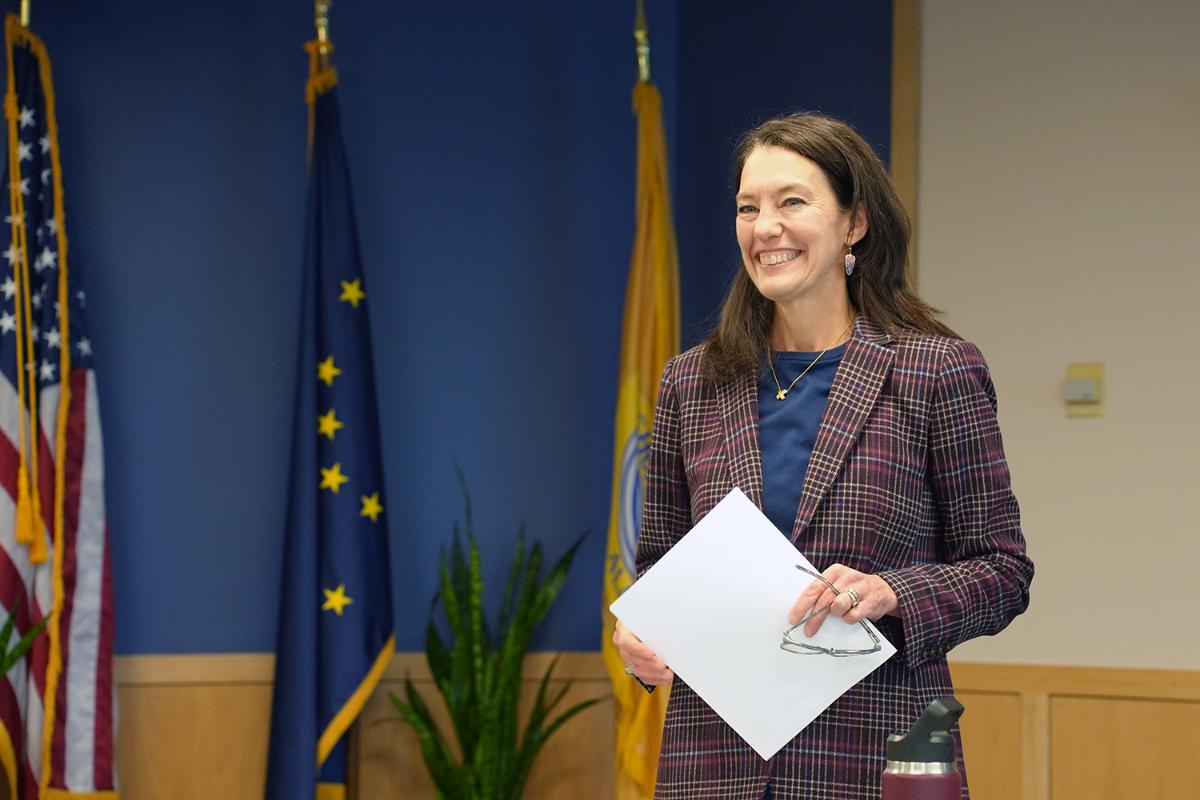
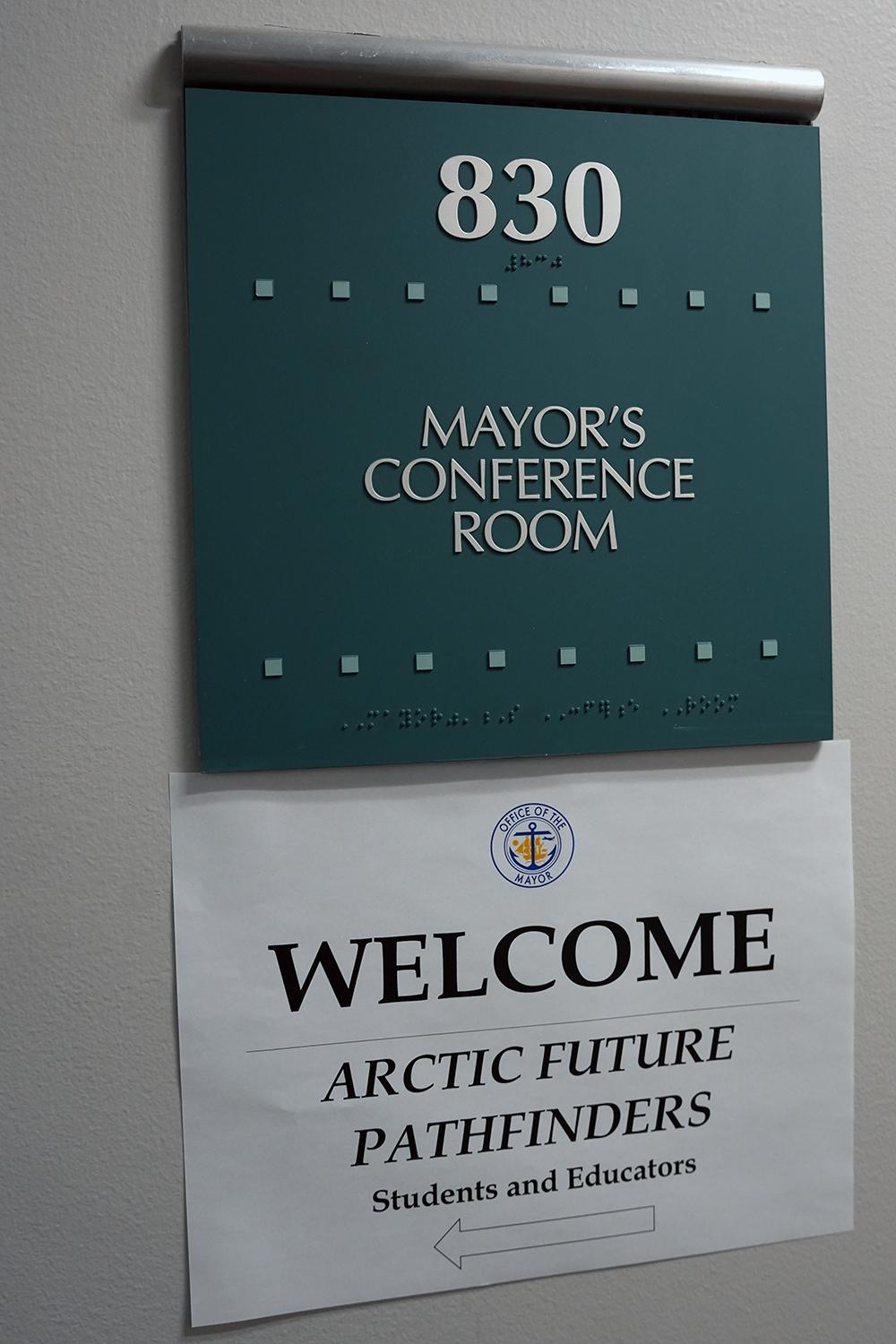
Students from the Arctic Future Pathfinders course, currently in Anchorage, the fourth largest US city by its surface area, were introduced to the system of local government in Anchorage, city’s ongoing projects and challenges during a visit to City Hall, where they received a briefing from Mayor Suzanne LaFrance.
Cultural ties
"Our sister city relationship with Tromsø was established over 50 years ago, and the relationship has existed longer than the municipality of Anchorage itself," says LaFrance.
The relationship with Tromsø is one of Anchorage's oldest and most significant sister city partnerships. The strong Norwegian community in Anchorage, including the organization 'Sons of Norway,' has played a crucial role in maintaining the ties, explains Sister Cities commissioner Tetyana Robbins.
"Sons of Norway is a fantastic organization, and they have their own building where they often host events," says Robbins.
Additionally, previous commissioners for the Anchorage-Tromsø partnership have often had Norwegian ancestry or even extended family residing in both cities, further strengthening the connection.
A Platform for Collaboration
City diplomacy refers to engagement of cities and local governments at the international arena. This can vary in form and may include everything from cultural exchanges to network-based collaboration on global challenges like climate change, gender equality and migration.
"Cities are not just the cause of global problems; they are also part of the solution," says Associate Professor Ekaterina Mikhailova from UiT.
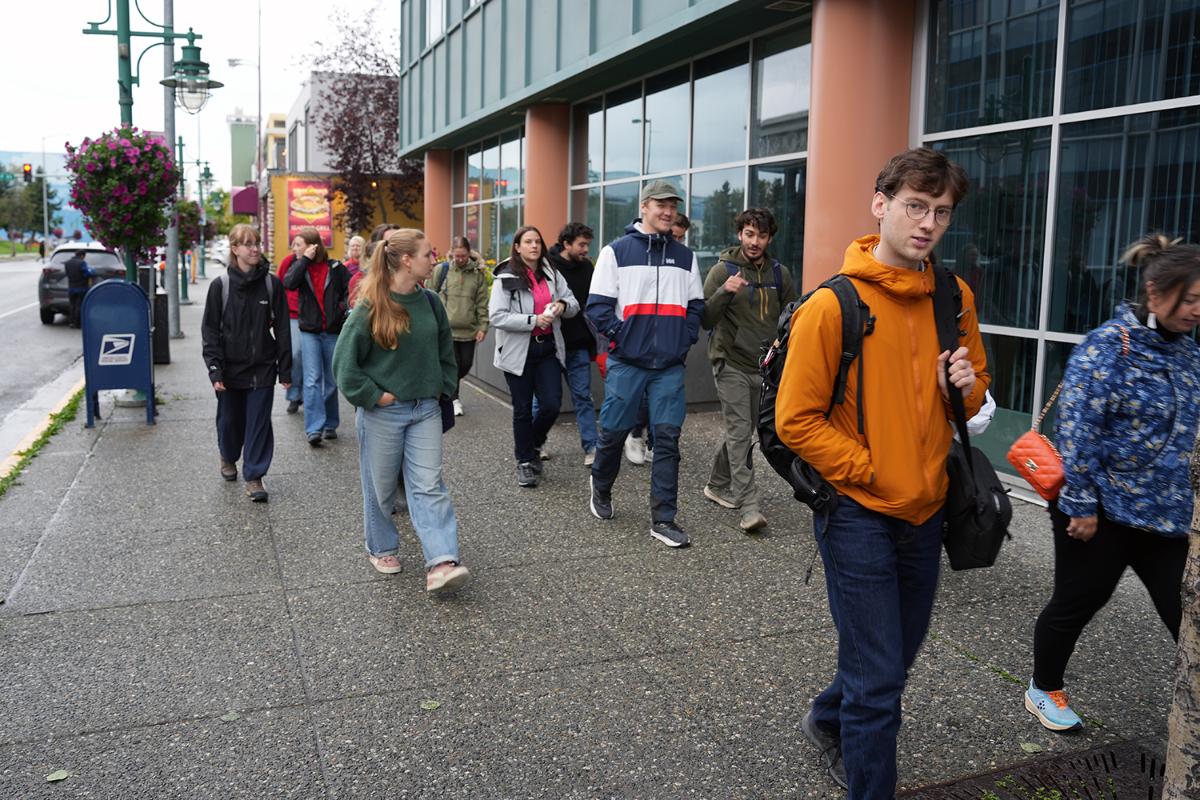
Anchorage and Tromsø have a unique opportunity to use their partnership to promote shared interests in the Arctic, including sustainability, research, and cultural understanding.
"I am very focused on universities because that is where exchanges always begin," says LaFrance.
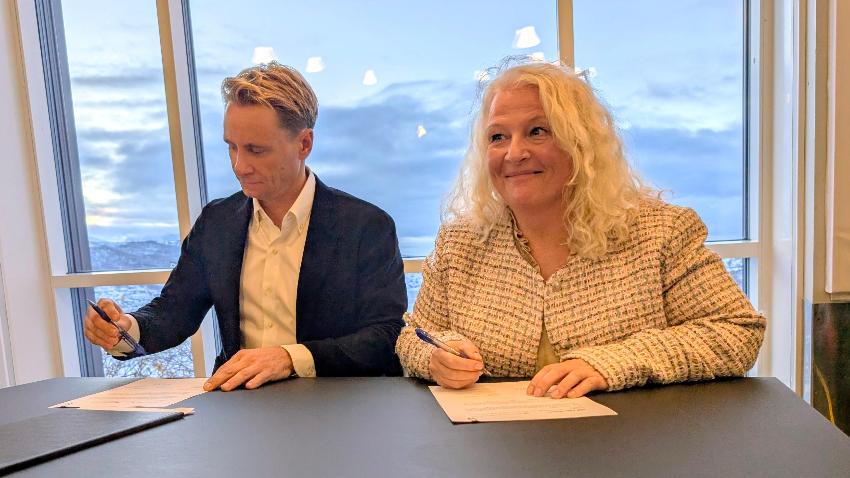
Student exchange programs between UiT and the University of Alaska Anchorage (UAA) are among the initiatives that can help build bridges between the two communities. In 2023, the UiT and the UAA renewed their Memorandum of Understanding agreement to foster even closer connections.
Diplomacy and Arctic Perspectives
In recent years, the collaboration between Anchorage and Tromsø has faced challenges. Some of these stem from traditional formats, such as delegation visits and ceremonial exchanges, not always being sufficient.
"This format works best when there are also partnerships at lower levels, such as between universities, schools, and local organizations," says Mikhailova.
A great potential for strengthening sister cities’ relations is to combine cultural exchanges with practical hands-on learning from each other on the most pressing issues of common interest.
“A robust city partnership has to have experience transfer as one of its cornerstones”, Mikhailova says.
Local level of government differs from the national government in their practical approach to problems they face. This difference has been aptly summed up by the former New York mayor Mike Bloomberg in his famous quite: “while nations talk, cities act”.
The Future of Anchorage and Tromsø
To revitalize the partnership between Anchorage and Tromsø, it is essential to focus on concrete initiatives that can create lasting connections. This includes student exchange programs, joint cultural events, and collaboration on Arctic issues.
In a broader Arctic context, both Anchorage and Tromsø have been part of the Arctic Mayors Forum, an international platform that promotes collaboration between Arctic cities. This city network aims to incorporate local perspectives into Arctic governance and deliver better services to Arctic citizens.
However, the two cities do not need to limit themselves to the Arctic fora. They could leverage their partnership globally when engaging in larger international city networks such as for example United Cities and Local Governments (UCLG), the largest currently existing city network representing 70% of the world’s population. UCLG provides a platform for sharing experiences and developing innovative solutions to common challenges.
Kortnytt fra Communication Section
-
Fiskeri- og havbruksvitenskap - bachelor
Varighet: 3 År -
Fiskeri- og havbruksvitenskap - master
Varighet: 2 År -
Master of Philosophy in Visual and Multimodal Anthropology
Varighet: 2 År -
Arkeologi - master
Varighet: 2 År -
Peace and Conflict Transformation - master
Varighet: 2 År -
Indigenous Studies - master
Varighet: 2 År -
Geosciences - master
Varighet: 2 År -
Biology - master
Varighet: 2 År -
Technology and Safety - master
Varighet: 2 År -
Law of the Sea - master
Varighet: 3 Semestre -
Biologi - bachelor
Varighet: 3 År -
Sosiologi - master
Varighet: 2 År -
Nordisk - årsstudium
Varighet: 1 År -
Strategisk ledelse og økonomi - erfaringsbasert master
Varighet: 5 Semestre -
Engelsk - årsstudium
Varighet: 1 År -
Luftfartsfag - bachelor
Varighet: 3 År -
Samfunnsplanlegging - bachelor
Varighet: 3 År -
Pedagogikk - bachelor
Varighet: 3 År -
Sosiologi - bachelor
Varighet: 3 År -
Arkeologi - bachelor
Varighet: 3 År -
Spansk - årsstudium
Varighet: 1 År -
Statsvitenskap - bachelor
Varighet: 3 År -
Pedagogikk - master
Varighet: 2 År -
Likestilling og kjønn - årsstudium
Varighet: 1 År -
Historie - bachelor
Varighet: 3 År -
Geovitenskap- bachelor
Varighet: 3 År -
Samfunnsplanlegging og kulturforståelse - master
Varighet: 2 År -
Kjemi - bachelor
Varighet: 3 År -
Økonomi og administrasjon - bachelor
Varighet: 3 År -
Samfunnssikkerhet - bachelor
Varighet: 3 År -
Økonomi og administrasjon, siviløkonom - master
Varighet: 2 År -
Ledelse, innovasjon og marked - bachelor
Varighet: 3 År -
Ergoterapi - bachelor
Varighet: 3 År -
Grunnskolelærerutdanning for 1.-7. trinn - master
Varighet: 5 År -
Grunnskolelærerutdanning for 5.-10. trinn - master
Varighet: 5 År -
Samfunnssikkerhet - master
Varighet: 2 År -
Kunst - bachelor
Varighet: 3 År -
Kunsthistorie - master
Varighet: 2 År -
Musikkutøving - bachelor
Varighet: 4 År -
Religionsvitenskap - årsstudium
Varighet: 1 År -
Russisk - årsstudium
Varighet: 1 År -
Romfysikk, sivilingeniør - master
Varighet: 5 År -
Klima og miljøovervåkning, sivilingeniør - master
Varighet: 5 År -
Samfunnsøkonomi med datavitenskap - bachelor
Varighet: 3 År -
Sosialantropologi - bachelor
Varighet: 3 År -
Organisasjonsdesign og ledelse - master
Varighet: 2 År -
Statsvitenskap - master
Varighet: 2 År -
Historie - master
Varighet: 2 År -
Kunsthistorie - bachelor
Varighet: 3 År -
Tysk - årsstudium
Varighet: 1 År