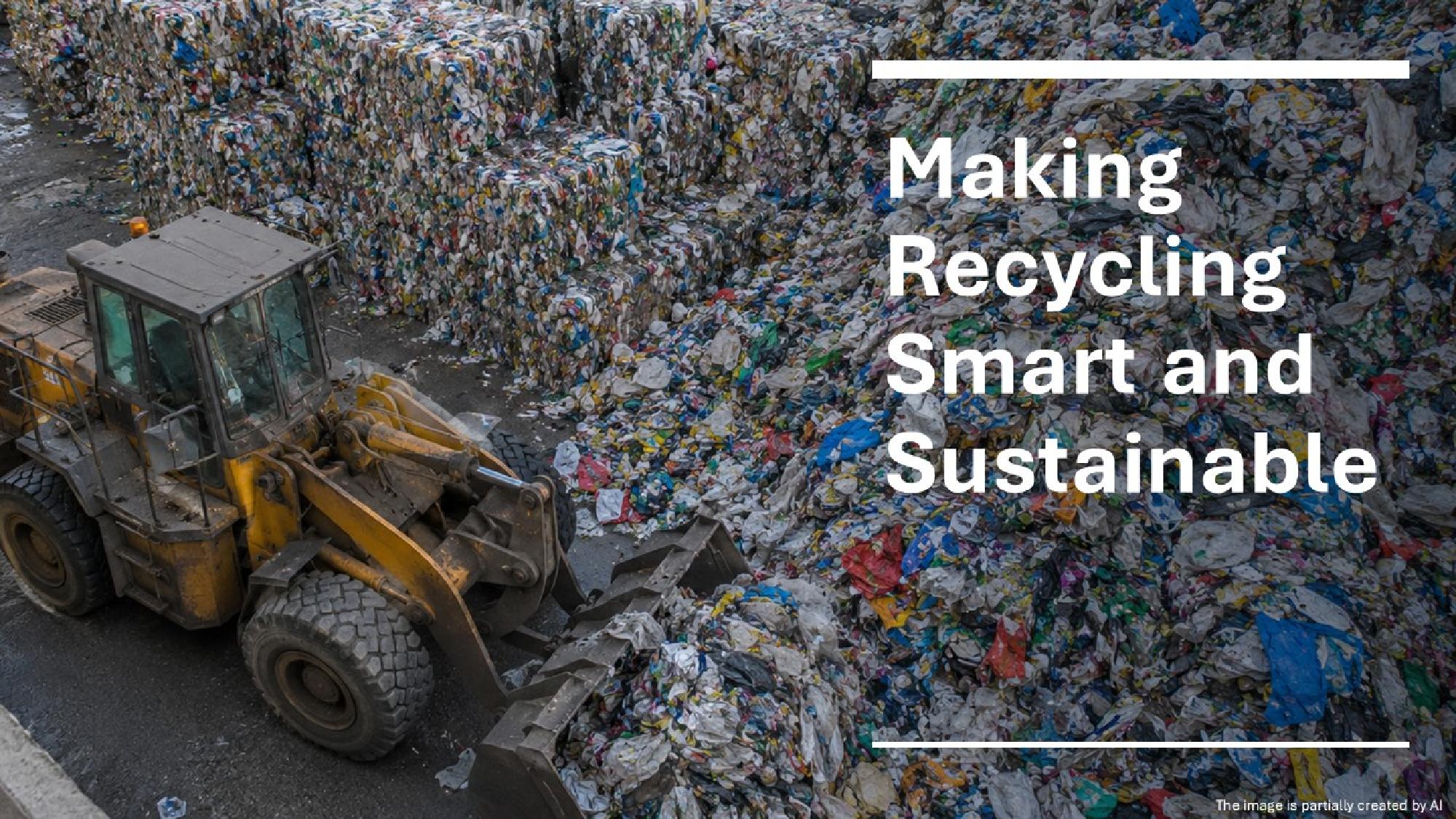
Digital Reverse Logistics Twin 5.0 (DigiRL 5.0) – Enabling Human-Centricity in Data-Driven Decision-Making and Flexible Automation
What if products could tell us when they should be recycled?
Every year, millions of products reach the end of their lives. Many of them still contain valuable materials. For example, electric vehicle batteries are complex, expensive, and full of valuable resources. But when a battery stops working in a car, it does not always have a clear path forward.
In my project Digital Reverse Logistics Twin 5.0 (DigiRL 5.0), I study how to manage returned products in a more efficient and sustainable way. The goal is simple: make it easier to bring used products back into the economy.
The problem: we don’t know where products are
Reverse logistics is the system that collects used products so they can be repaired, reused, or recycled. It is a key part of the circular economy. But there is a major challenge. Companies often do not know when products will return, where they are located, or what condition they are in. Imagine trying to plan transport and recycling without knowing what will arrive tomorrow. This kind of uncertainty makes reverse logistics both expensive and inefficient.
A human-centric digital twin of the reverse logistics system
The DigiRL 5.0 project explores a new idea: a digital twin of the reverse logistics system, which is a simulation-based decision-support model that can evaluate various scenarios and help with better planning decisions. It combines data analytics with optimization models and simulations to support more sustainable decisions and efficient operations.
But the most important element is not technology. It is people.
The system is designed to support human-centric decision-making and operations. Workers, planners, and operators remain in control, while analytical tools help them navigate complex situations and make better choices. For example, information about returned products can help plan transport routes, reduce empty trips, and organize recycling processes more efficiently. In recycling facilities, planning can be adapted to the type, condition, and quality of returned products, helping to use available capacity more effectively.
Our research suggests that empowering human intelligence with advanced technologies may be one of the keys to making this possible.
Latest news
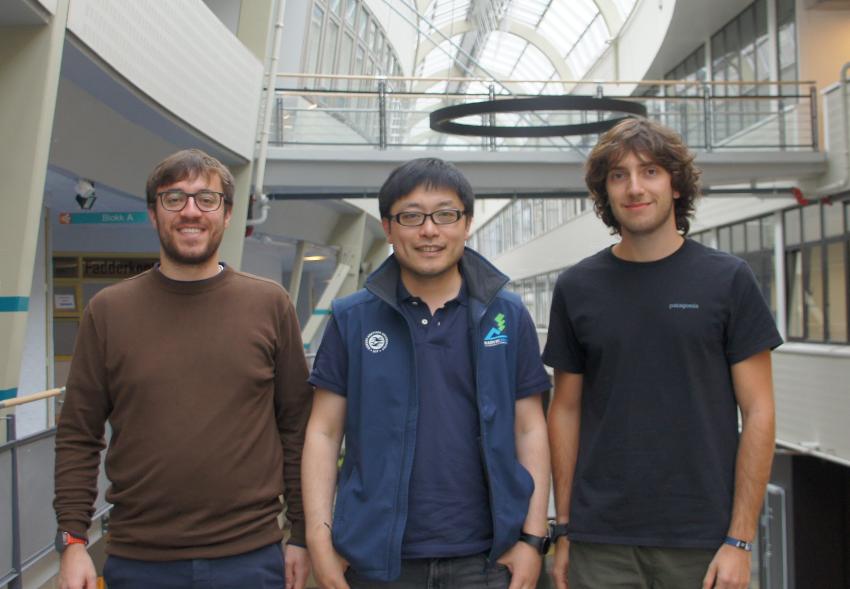
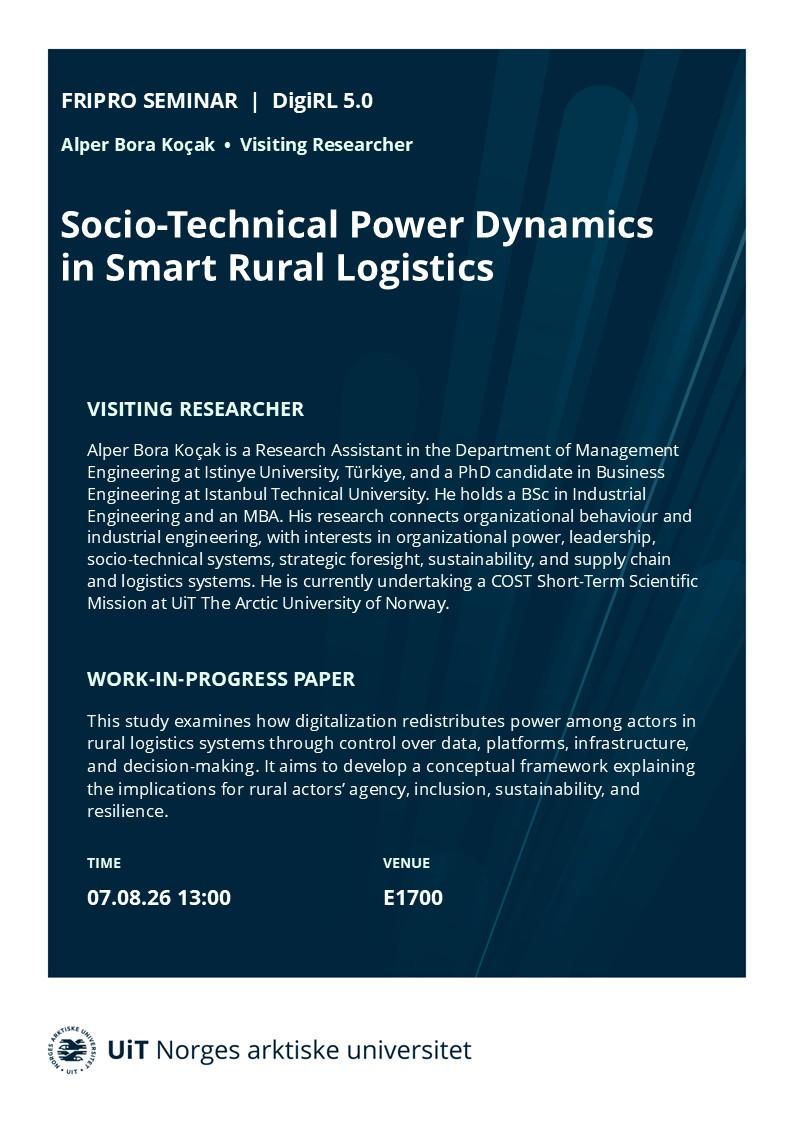

The DigiRL5.0 is funded by the Research Council of Norway under the Researcher Project for Young Talents (PRIPRO) Programme (Project No. 356366).

[Loading...]