Work Packages
Work package 1:Low carbon concrete for Arctic environmentOverview Work Pachage 1 focuses on identifying, assessing and evaluating locally available raw materials in Nordic regions for the development of low-carbon concrete. The work adresses the growing shortage of convientional materials such as blast furnance slag and fly ash by exploring sustianable alternatives. Objectives
Scope WP1 investigates both primary (natural) and scondary (industrial by-product) resources including clay, limestone, volcanic pozzolans, indusrtial slags, mine tailings, and construction waste. These materials are assessed for thier potential use in:
Work Performed WP1 combines literature review, resource mapping and experimental validation:
Key Results
|
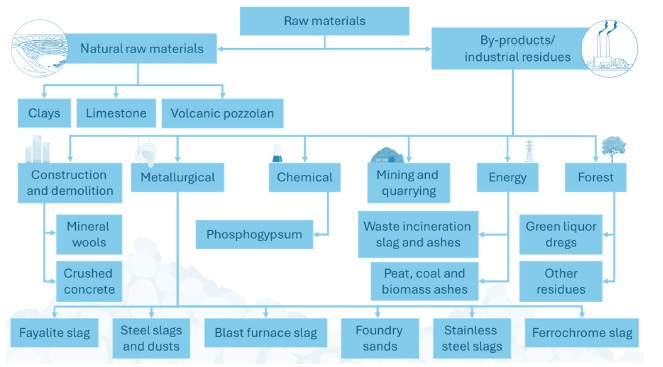
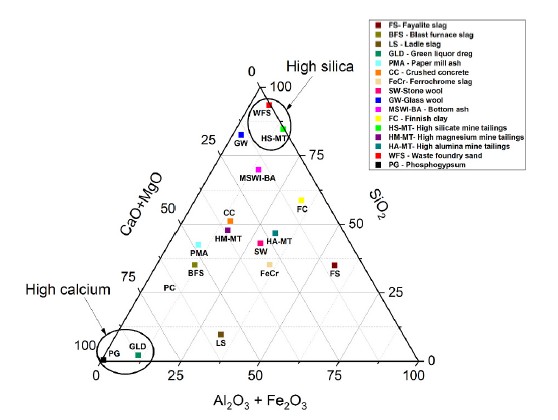
Figure 2: Chemical composition of some identified by-products and residues (1).
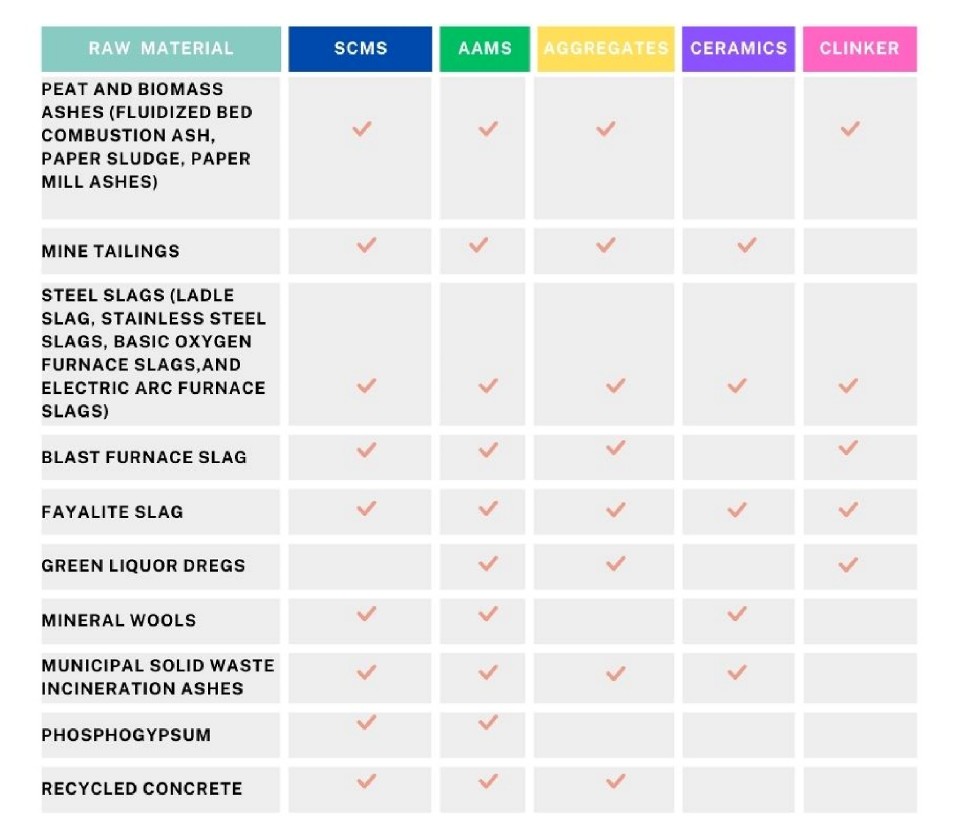
Figure 3: Raw materials types and thier application (1).
|
|
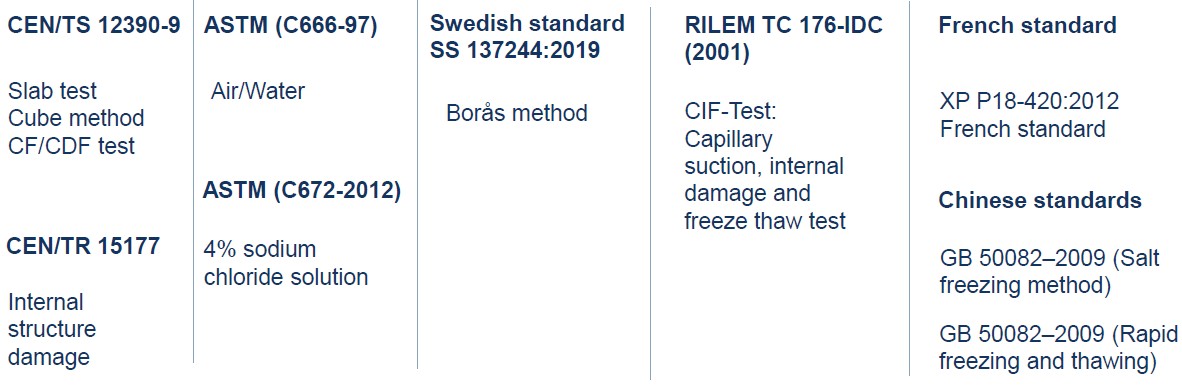
Figure 1: Freeze-thaw testing methods (4)
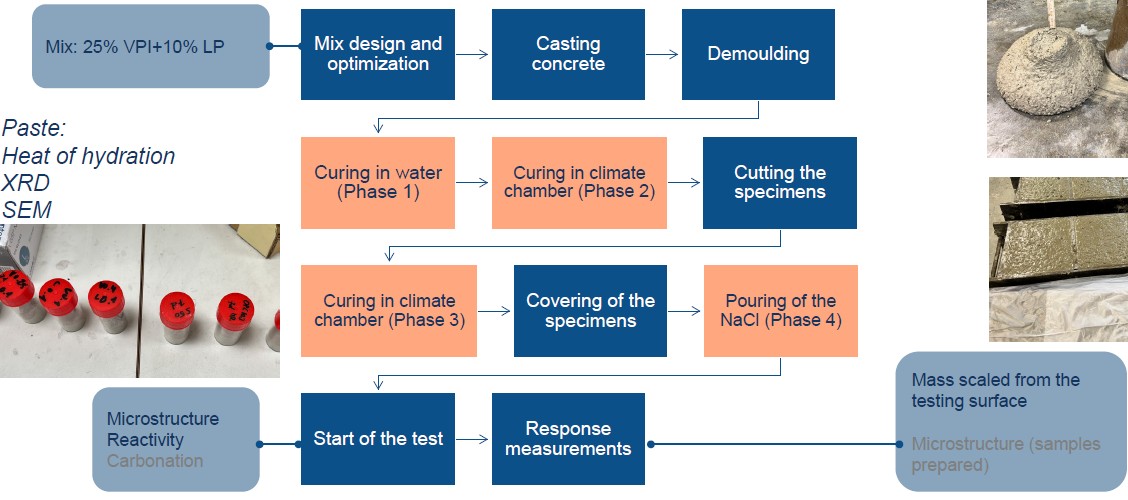
Figure 2 Experimental procedure (4)
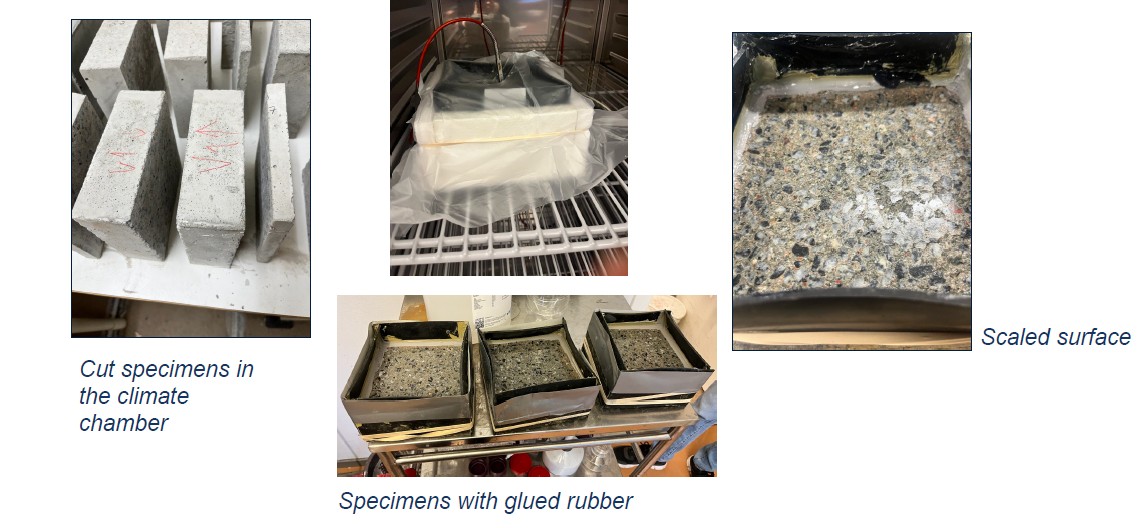
Figure 3. Testing process (4)
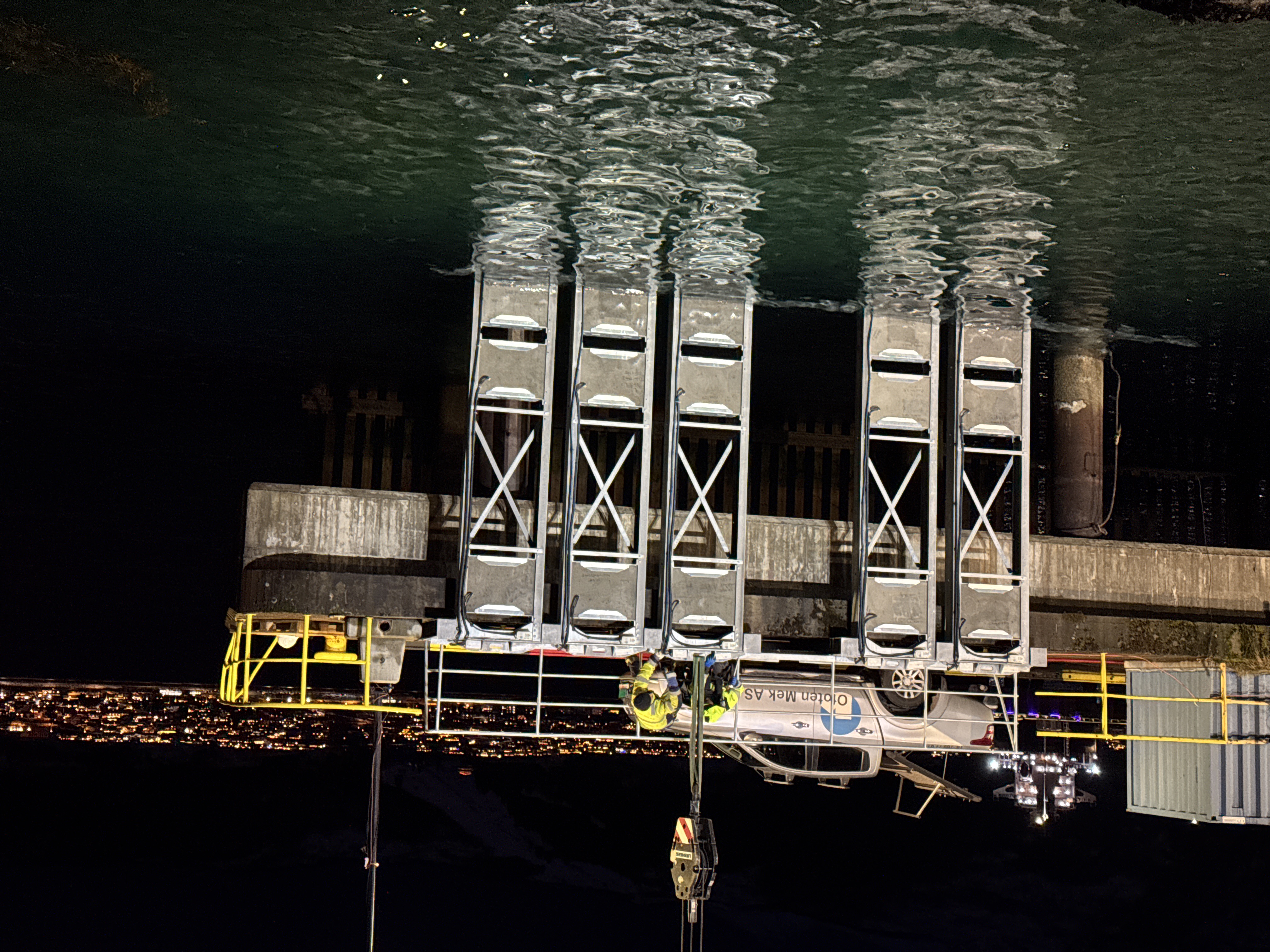
Figure 4: Long-term monitoring station 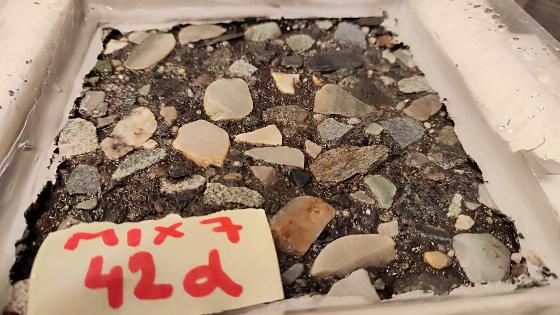
|
Work package 2Durability testing procedure of low-carbon concreteOverview Work Package 2 focuses on improving the freeze-thaw durability assessment of low-carbon concrete with high SCM content, for which existing standard methods often show high variability and limited reliability. The work combines a systematic review of over 350 studies with experimental testing of concrete mixtures, analysing the influence of curing conditions, temprature cycles and testing procedures. Advanced methods such as Taguchi design and Grey Relational Analysis are used to optimise testing parameters and identify key factors affecting durability. In addition, WP2 includes the establishement of long-term durability monitioring station for low-carbon concrete at Narvik harbour, where concrete samples are exposed for long period of time. This provides essential data to validate accelerated laboratory tests and improves the understanding of real performance under exposure conditions, particularly in cold climates. Objectives
Scope WP2 addresses the evaluation and improvement of freeze-thaw durability testing methods for low-carbon cocnrete. This includes the review and comparision of existing freeze-thaw standards, identification of key limitations, and development of modified testing procedures. The scop also covers experimental validation, optimisation parameters, and establishment of long-term monitoring for performance validation. Work Performed
key Results
|
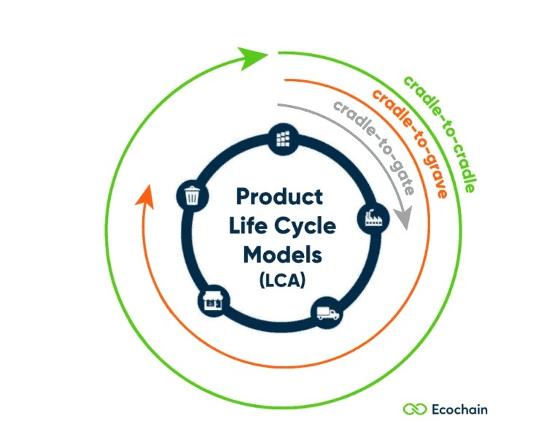
Work package 3Environmental analysis - Life cycle analysisOverview WP3 focuses on the environmental assessment and classification of low-carbon concrete (LCC) in Nordic countries. The work supports the reduction of CO2 emisssions from concrete by applying Life Cycle Assessment (LCA) and Environmental Product Declaration (EPDs). Objectives
Scope WP3 addresses the assrssment of environmental performance of concrete mixtures using LCA and EPd tools. The study compares national approaches from Norway, Sweden, Finland, and Iceland where different guidlines, classification systems and EPD fools are used to evaluate environmental performance. Work Performed
Key Results
|
 |
[1] Adediran, A. , Rajczkowska, M., Steelandt, A., Novakova, I., Cwirzen, A., & Perumal, P., 2025. Conventional and potential altenative non- conventional raw materials available in Nordic countries for low-carbon concrete: A review. Journal of Building Engineering 104, 112384.
[2] Adedrian, a., Et al. 2025. Novel non.conventional raw materials as supplementary cemeentitious materials. Environmental research, 271, 121146.
[3] WP2 Progress Report (2023), Luleå University of Technology.
[4] WP2 Progress Report (2025), Luleå University of Technology.
[5] Novakova, I. 2025. Design and criteria for low carbon concrete by Norway, Sweden, Finland and Iceland based on environmental impact. Nordic Concrete federation Symposium.
[6] ECOCHAIN TECHNOLOGIES BV, 2023. Life Cycle Models in LCA – Ecochain. Ecochain: Life Cycle Assessment (LCA) – Complete Beginner’s Guide [online]. 2023. [Accessed 28 February 2023]. Retrieved from: https://ecochain.com/knowledge/life-cycle-assessment-lca-guide/
[7] ENVIRONMENTAL PRODUCT DECLARATION: Norcem Standardsement FA, Brevik - CEM II/B-M 42,5 R eng., 2020. Epd-norway [online]. 2020. [Accessed 28 February 2023]. Retrieved from: https://www.epd-norge.no/getfile.php/1317540-1614337539/EPDer/Byggevarer/Sement/NEPD-2275-1028_EPD_19343-Norcem-Standardsement-FA--Brevik---CEM-II-B-M-42-5R_en.pdf